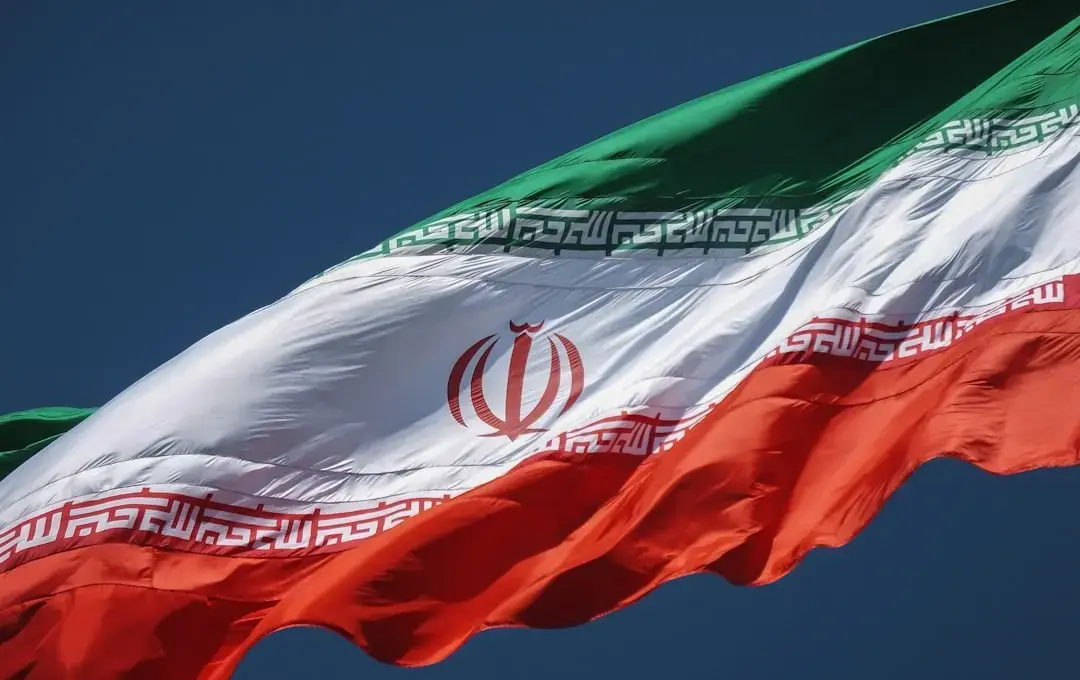
Personal Gesture Signals Military Loyalty
Iran’s Supreme Leader, Ayatollah Sayyid Mojtaba Khamenei, issued a handwritten letter to the commander of the Islamic Revolutionary Guard Corps Aerospace Force. The message was released by the Islamic Republic News Agency. In the note, Khamenei commended the unit for its tireless efforts. This public display of support highlights the close bond between the top cleric and the military wing. The gesture reinforces the IRGC’s status within the country’s power structure.
Latest news
 Israeli Airstrike Targets Vehicle in Southern Gaza
 Azerbaijan Releases French National Following European Union Sanctions Relief
 Fact-Checking Claims Made During Recent Presidential Address to the United Nations
 Trump Escalates Media Feud With Bizarre Social Media Attack
The handwritten nature of the message carries significant symbolic weight in Iranian political culture. While digital communication is common, personal letters from the Supreme Leader remain rare and highly valued. By choosing to write by hand, Khamenei emphasized his direct connection to the armed forces. The letter specifically addressed the Aerospace Force, a critical component of the IRGC responsible for air defense and missile operations. This focus suggests an emphasis on maintaining robust defensive capabilities against potential external threats.
The correspondence serves as a clear signal of leadership approval. In Iran, the Supreme Leader holds ultimate authority over the military. Public praise from this office validates the actions and strategies of specific units. The IRGC Aerospace Force plays a pivotal role in protecting Iran’s airspace. It manages the country’s most advanced missile systems and radar networks. By highlighting their work, Khamenei encourages continued dedication and operational readiness. This type of recognition often precedes increased funding or strategic priority for the mentioned branch.
How Does This Affect Regional Dynamics?
The timing of such messages usually aligns with key anniversaries or recent operational successes. Although the exact date of the letter was not specified in the brief report, the release through state media ensures wide visibility. State-run channels quickly disseminated the news, framing it as evidence of strong civilian-military relations. Analysts note that handwritten notes are reserved for moments requiring special emphasis. They serve to boost morale among soldiers and officers who feel directly connected to the nation’s highest authority.
The reinforcement of the IRGC’s role has broader implications for regional security. The Aerospace Force is often involved in joint exercises with allied groups across the Middle East. Strong internal support from Tehran’s top leader emboldens these operations. It signals that Iran remains committed to projecting power through its air and missile capabilities. Neighboring countries monitor these developments closely, interpreting them as indicators of Iran’s strategic posture. A well-supported and praised military branch is generally viewed as more confident and prepared for engagement.
This latest communication adds to a pattern of the Supreme Leader actively engaging with military leaders. It underscores the dual structure of Iran’s governance, where religious authority and military power intertwine. As geopolitical tensions persist in the region, the IRGC’s aerospace capabilities remain a central pillar of national defense. The handwritten note, while simple in form, sends a complex message of unity and resolve. It assures domestic audiences that the leadership remains attentive to the needs of those guarding the skies.
Frequently Asked Questions
Who wrote the letter to the IRGC Aerospace Force? Ayatollah Sayyid Mojtaba Khamenei, the Supreme Leader of Iran, authored the handwritten note. The message was addressed directly to the commander of the specific military branch.
Why is a handwritten letter significant in this context? Handwritten messages from the Supreme Leader are rare and carry high symbolic value. They demonstrate personal attention and reinforce loyalty within the military hierarchy.
Which agency reported the news of the letter? The Islamic Republic News Agency, known as IRNA, published the details of the correspondence. This state-run outlet serves as a primary channel for official announcements.