Tehran’s Stance on Strategic Deterrence
Iran’s newly appointed defense minister, Mehrdad Akhlaghi Ketabchi, issued a forceful warning to the United States this week. He cautioned that any perceived miscalculation by American forces would trigger a massive and unexpected retaliation. The statement signals a potential hardening of Tehran's military posture amid ongoing regional tensions.
Latest news
 The Kingmakers of Israeli Politics
 Spain's pension system faces growing financial pressure despite not being bankrupt
 Israeli blockade prevents access to vital care for Gaza's amputees
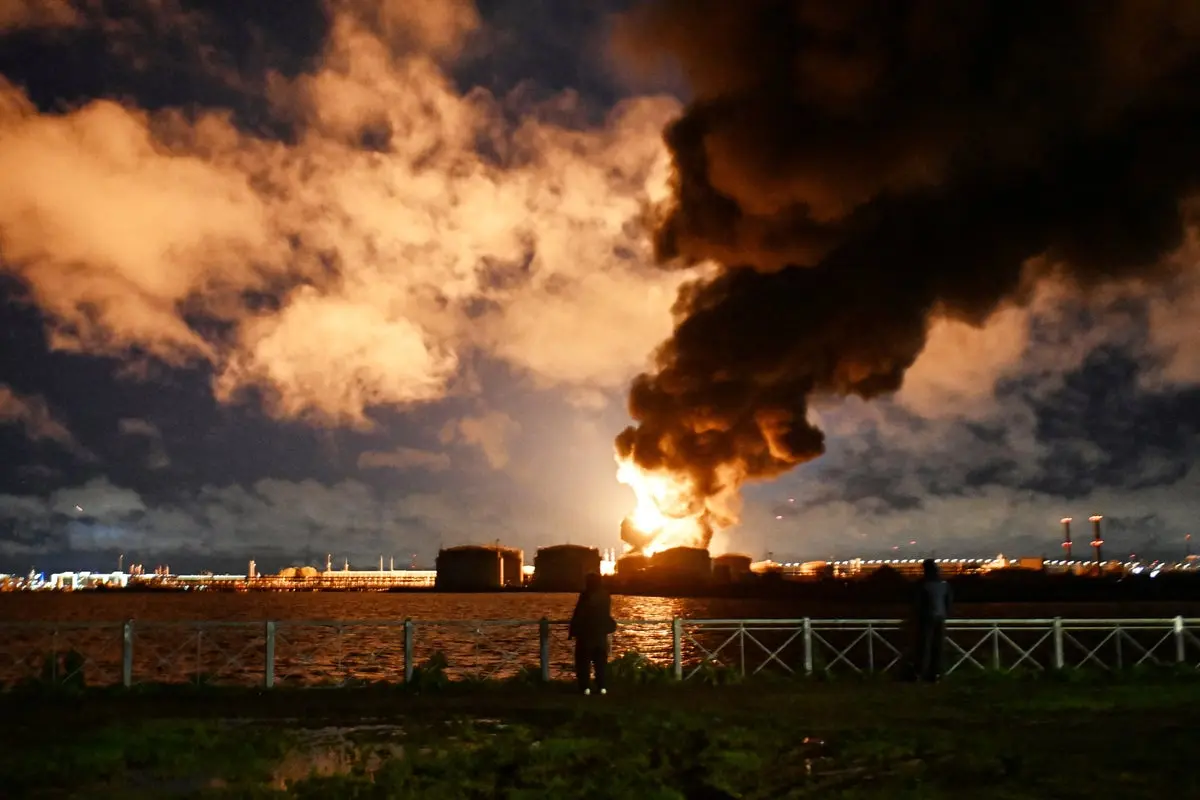 Ukraine Launches Massive Drone Assault on Russia, Incendiary Attacks Ignite Petrochemical Sites
The defense minister claimed that the Iranian nation and its armed forces are prepared to deliver a decisive response. He emphasized that any aggressive move by the U. S. would result in widespread consequences. Tehran continues to frame the American government as a destabilizing force within the Middle East.
Ketabchi’s remarks underscore Iran's commitment to maintaining a robust defensive perimeter. By labeling the U. S. government as a terrorist entity, the minister signaled that diplomatic channels remain strained. The rhetoric suggests that Iran is prioritizing military readiness over de-escalation efforts.
Will Tensions Lead to Direct Confrontation?
The minister warned that the global repercussions of any conflict would fall entirely on Washington. He framed the potential for future military engagement as a direct result of American policy decisions. This narrative is intended to project strength to both domestic audiences and international observers.
The international community remains concerned about the potential for miscalculation between the two nations. Military analysts suggest that such inflammatory language increases the risk of accidental escalation. Both countries currently maintain a high state of alert in the region.
Frequently Asked Questions
The outlook for bilateral relations remains grim as both sides continue to exchange threats. The future of regional stability depends on whether these warnings remain purely rhetorical. Observers are watching for any shifts in military deployment that might follow these public statements.
What prompted the defense minister's warning? The minister issued the statement as a direct response to perceived threats from the United States. He framed the warning as a deterrent against potential military miscalculations by American forces.
How did the Iranian official characterize the U. S. government? Ketabchi explicitly labeled the United States government as a terrorist entity. He argued that any negative global consequences resulting from future conflicts would be the sole responsibility of Washington.