
He also acknowledged ongoing challenges but expressed confidence in the forces'
Iraqi Prime Minister Ali Faleh al-Zaidi announced on Wednesday that the country's security forces now fully control national security, marking a transition into a new phase of sovereignty. This statement comes as the US-led international coalition's mission in Iraq officially ends, with Baghdad asserting its forces are prepared to maintain stability independently. The declaration was made during a press briefing in the capital, signaling a significant milestone in Iraq's post-conflict security evolution. Al-Zaidi emphasized that Iraqi troops have assumed responsibility for counterterrorism operations, border security, and internal stability across all provinces. He noted that years of training and equipment support from coalition partners have enabled this shift, allowing Iraq to manage threats without foreign combat presence. The prime minister highlighted improved coordination between military and intelligence units as key to sustaining security gains.
Latest news
 Male Birth Control Pill Nears Reality After Long Wait
 UK 30-Year Government Bond Yields Surge to 6%, Highest Since 1998
 Sanaa Takaichi Tightens Rules for Foreigners Seeking Japanese Permanent Residency
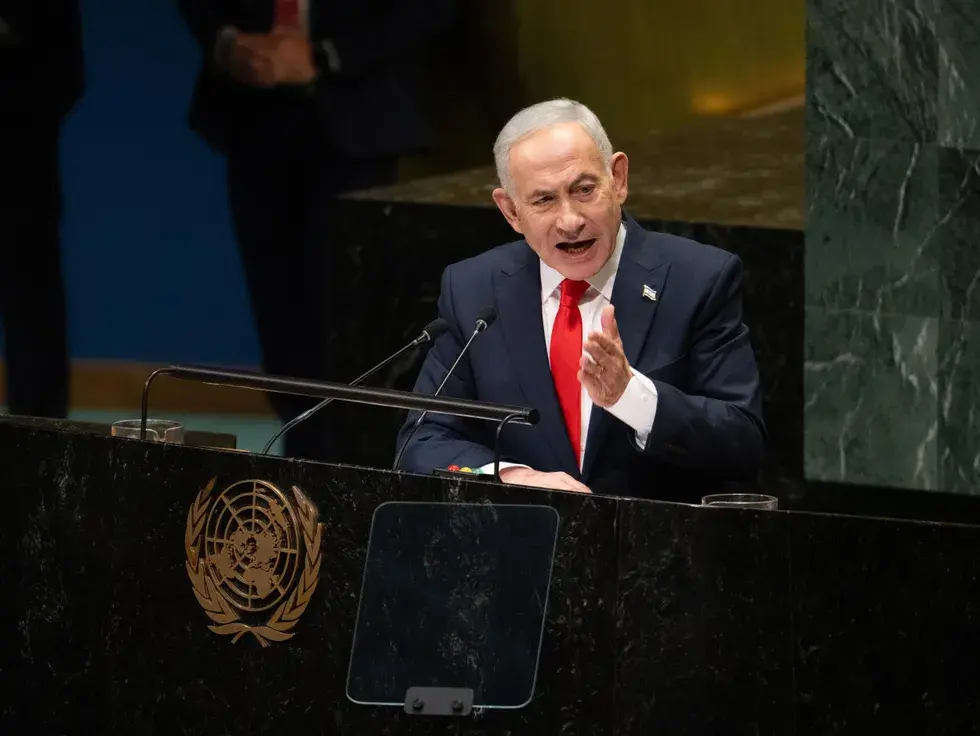 Netanyahu Accuses Erdogan of Seeking Control Over Syria
He also acknowledged ongoing challenges but expressed confidence in the forces' ability to adapt. How Iraq Plans to Sustain Security Gains The government intends to rely on locally developed strategies, including community engagement programs and rapid response units, to address residual threats. Al-Zaidi stressed that surveillance networks and forensic capabilities have been strengthened to detect and prevent attacks. He mentioned that defense budget allocations will prioritize maintenance of existing infrastructure and personnel readiness. International partners will continue to offer advisory roles, though no combat troops will remain. The focus now shifts to institutionalizing reforms within the Ministry of Defense and Interior. What Measures Are in Place to Prevent Resurgence of Extremist Groups? To counter potential revival of extremist elements, Iraq has expanded intelligence sharing between regional command centers and increased patrols in historically volatile areas. Specialized units targeting financing networks and propaganda distribution are operational, according to al-Zaidi.
He also pointed to deradicalization initiatives in detention facilities as part
He also pointed to deradicalization initiatives in detention facilities as part of a broader prevention strategy. The prime minister warned that complacency could undermine progress, urging vigilance among security personnel. Continuous evaluation of threat assessments will guide adjustments to deployment patterns. Frequently Asked Questions What does the end of the coalition mission mean for foreign troops in Iraq? All combat troops from the US-led coalition have withdrawn, leaving only a small number of advisors and trainers at Iraq's request. Their role is limited to non-combat support such as logistics and intelligence sharing, with no authority to engage in operations.
How will Iraq fund its security operations moving forward? The government plans to cover costs through its national budget, drawing from oil revenues and allocating increased funding to defense and interior ministries. External financial aid will be restricted to specific training programs and equipment upgrades approved by Baghdad.
Is there a timeline for full independence from international security assistance? No fixed timeline has been set, but al-Zaidi indicated that Iraq aims to reduce reliance on advisory support within the next two years as local capacities mature. Progress will be reviewed biannually by joint Iraqi-international technical committees.