Why Latino Leaders Believe Texas Deserves More Investment
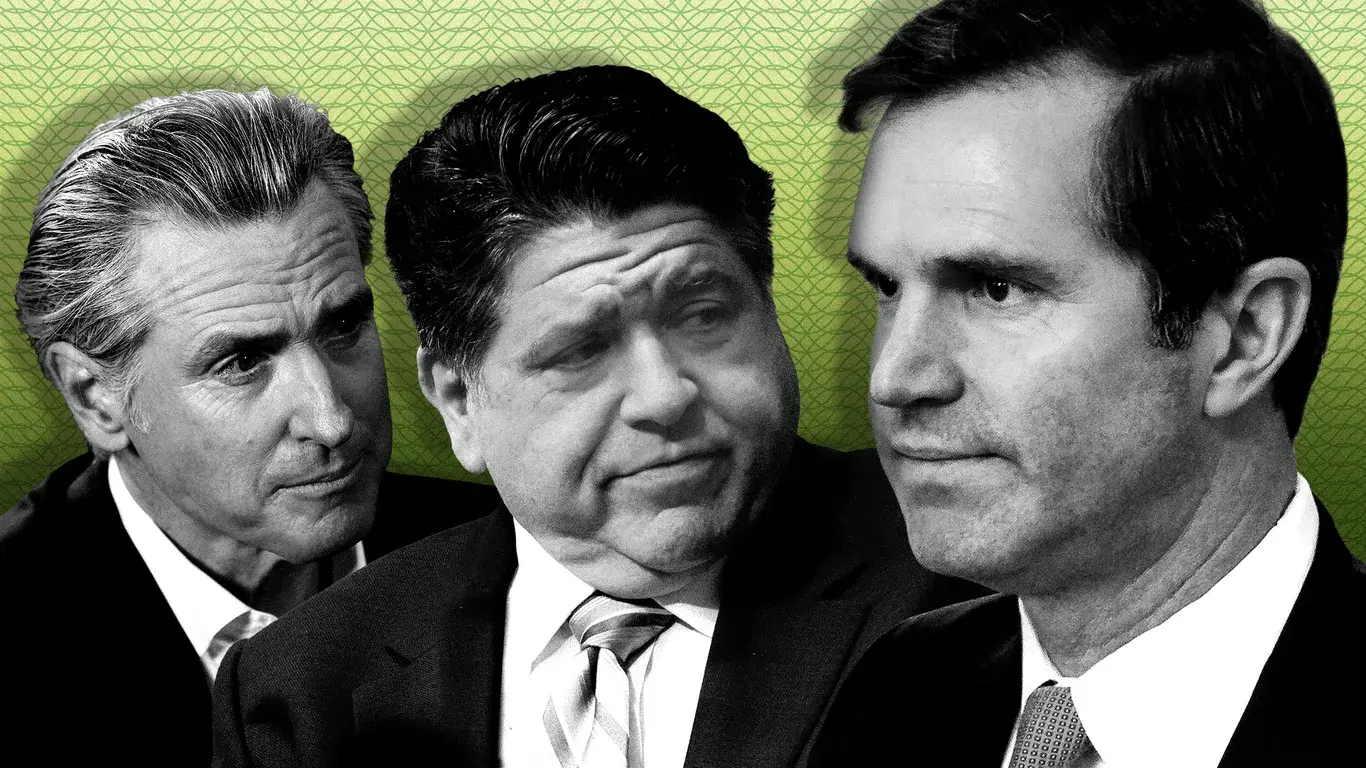
Kentucky Governor Andy Beshear is facing increasing criticism from prominent Latino lawmakers for refusing to allocate significant Democratic Governors Association resources to support Gina Hinojosa’s bid for Texas governor. As head of the association, Beshear has opted to focus on other state races instead, sparking tension within the party. The disagreement has become public, with Latino leaders accusing him of overlooking key opportunities to strengthen Democratic influence in Texas, a state with a growing Hispanic electorate. His potential 2028 presidential rivals are already using the conflict to highlight perceived weaknesses in his leadership and outreach to minority communities.
Latest news
 The Kingmakers of Israeli Politics
 Spain's pension system faces growing financial pressure despite not being bankrupt
 Israeli blockade prevents access to vital care for Gaza's amputees
 Ukraine Launches Massive Drone Assault on Russia, Incendiary Attacks Ignite Petrochemical Sites
The rift centers on Beshear’s strategic decision to prioritize gubernatorial contests in states where Democrats see clearer paths to victory, rather than investing heavily in Texas, where Republicans have maintained strong control. Latino leaders, including influential figures in Congress and state politics, argue that Hinojosa’s campaign represents a vital chance to build long-term infrastructure and engagement in a state crucial to national Democratic success. They contend that Beshear’s reluctance undermines efforts to empower Latino voters and candidates nationwide. Beshear, meanwhile, maintains that his approach is based on electoral realism and efficient use of limited party funds, insisting that spreading resources too thin could jeopardize winnable races elsewhere.
What Does This Mean for Beshear’s National Ambitions?
Latino lawmakers emphasize that Texas is not just another battleground but a demographic turning point, with Hispanics projected to become the largest ethnic group in the state within years. They argue that supporting candidates like Hinojosa now could yield dividends in future elections by increasing voter registration, candidate pipelines, and community trust. One Latino state legislator told reporters that Beshear’s stance feels like a dismissal of the growing political power of Latino communities, especially when other Democratic groups are actively investing in Texas. They warn that failing to act now could cede ground to Republicans for another decade.
As Beshear eyes a potential 2028 presidential run, his handling of this intraparty conflict could shape how he is perceived by key Democratic constituencies. Critics suggest the Texas dispute reveals a reluctance to take bold risks in pursuit of long-term gains, a trait that may not play well in a primary electorate eager for energetic, inclusive leadership. Supporters, however, argue that his focus on electability and fiscal discipline reflects the pragmatism needed to win in competitive districts. The outcome of this debate may influence whether Latino leaders rally behind or distance themselves from his future campaigns.
Why did Beshear refuse to support Gina Hinojosa’s Texas governor campaign? Beshear stated that the Democratic Governors Association must prioritize races with stronger chances of success, arguing that Texas remains a difficult environment for Democrats despite demographic shifts.
Frequently Asked Questions
How are Beshear’s 2028 presidential rivals using this situation? Potential rivals are highlighting the conflict to question Beshear’s commitment to Latino voters and his ability to build broad coalitions necessary for a national campaign.
What do Latino leaders hope to achieve by pressing for more Texas investment? They aim to strengthen Democratic organizing, increase Latino representation, and create a sustainable political presence in a state that could shift the national balance of power.