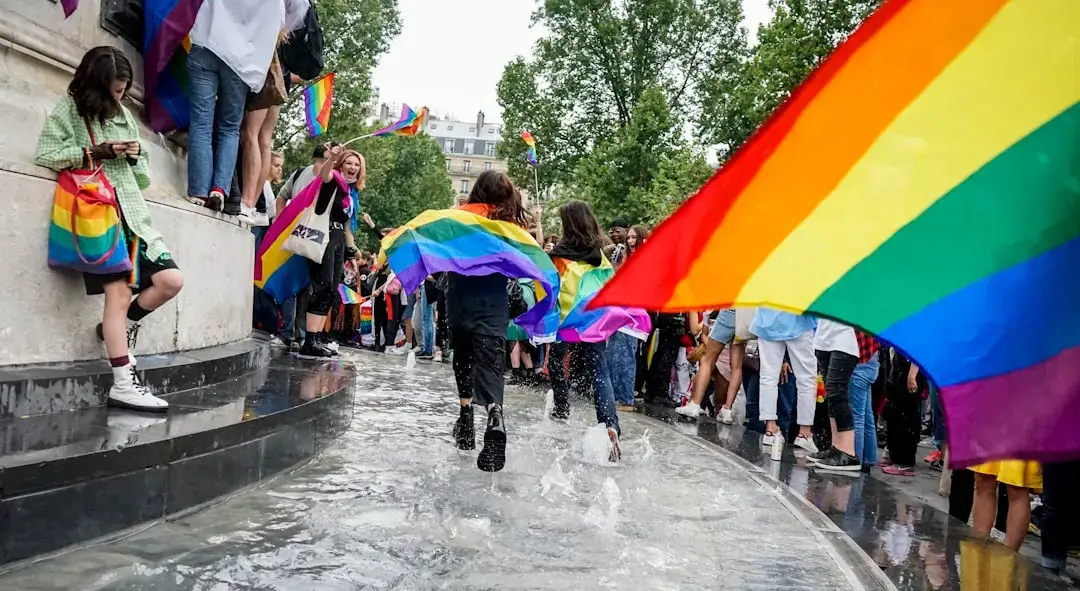
Germany's Stance on LGBTQ+ Equality
A recent attack at Berlin's Pride event has sparked widespread discussion. People are now questioning the safety and legal standing of the LGBTQ+ community. This incident highlights ongoing concerns for queer individuals in Germany. It also prompts a broader look at protections throughout Europe.
Latest news
 Swedish Voters Choose New Parliament as Left-Wing Coalition Projects to Win Majority
 Trump Announces End of US Tariff on Irish Whisky
 Frances Stonor Saunders, Author of CIA Cultural Espionage Exposé, Dies at 66
 Israel and Lebanon to Hold Security Talks in Rome This October
Germany has made significant strides in LGBTQ+ rights. Same-sex marriage became legal in 2017. Adoption rights for same-sex couples followed shortly after. The country also passed laws to protect against discrimination. These laws cover areas like employment and housing. However, challenges still remain for the community. The recent attack shows that prejudice persists. Activists continue to push for stronger protections. They advocate for better enforcement of existing laws.
How Do Other European Nations Compare?
Many European countries have advanced LGBTQ+ rights. Spain and the Netherlands were early adopters of same-sex marriage. The United Kingdom also has strong anti-discrimination laws. However, progress is not uniform across the continent. Some Eastern European nations lag behind. They often have less legal protection for LGBTQ+ individuals. Public opinion in these areas can also be less accepting. This creates a varied landscape for queer people in Europe. Activists in these regions face greater hurdles. They work to change laws and societal attitudes.
Despite legal advancements, many challenges persist. Hate crimes against LGBTQ+ people are still a concern. Discrimination can occur even where laws exist. Transgender rights, in particular, need more attention. Legal gender recognition processes vary widely. Some countries make it very difficult. Social acceptance also remains a key issue. Education and public awareness campaigns are vital. They help to foster a more inclusive society. The fight for full equality continues across Europe.
What Challenges Do LGBTQ+ Individuals Still Face?
What is the legal status of same-sex marriage in Europe? Many Western and Northern European countries have legalized same-sex marriage. However, some Eastern European nations have not, and a few even have constitutional bans.
Frequently Asked Questions
Are there specific protections against discrimination for LGBTQ+ people? Most Western European countries have laws prohibiting discrimination based on sexual orientation and gender identity. These protections are less common or weaker in parts of Eastern Europe.
How does public opinion affect LGBTQ+ rights in Europe? Public opinion plays a significant role, influencing legislative progress and social acceptance. Countries with higher public acceptance tend to have more comprehensive LGBTQ+ rights.