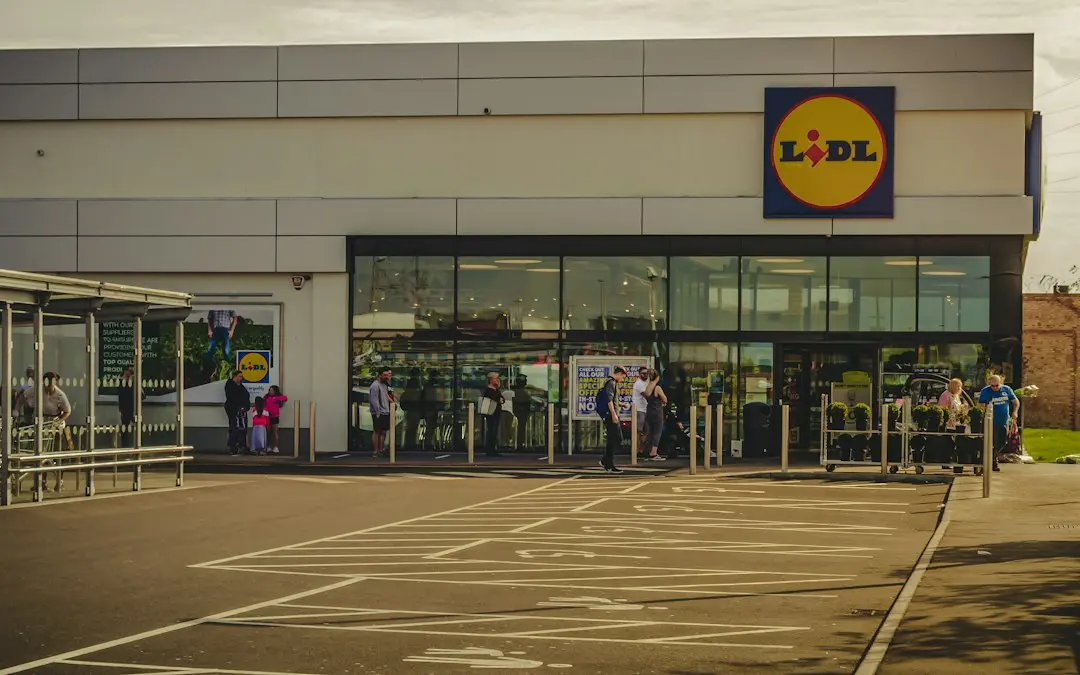
How the „Pick of the Week” Boosted Footfall
Lidl announced a 10% rise in UK sales during the first quarter, overtaking Morrisons to become the fifth‑largest retailer in the country. The surge came after the German chain invested £315 million in price reductions and promotional campaigns, including its popular „Pick of the Week” items.
Latest news
 Unmarked graves holding multiple bodies discovered across Australian states
 Mark Thompson to Stay at CNN After Paramount Skydance Takeover
 Suspected Plague Case Claims Life of Siberian Researcher
 SpaceXAI Rebrands as SpaceXSI, Following Trump‑Style Corporate Shuffle
The price‑cut strategy was part of a broader effort to attract cost‑conscious shoppers amid rising inflation. By offering discounts on staple products and promoting a new deluxe range, Lidl aimed to increase footfall and boost average spend per customer. The company’s leadership highlighted that the campaign not only drew in new shoppers but also encouraged existing customers to buy more frequently.
Is the Deluxe Range a Game‑Changer?
The „Pick of the Week” is a rotating selection of discounted products that change weekly. In the latest quarter, the promotion featured a range of fresh produce, household goods and seasonal items, all priced significantly lower than competitors. According to Lidl’s sales data, these weekly deals attracted an average of 20,000 additional shoppers per store, translating into a 3% lift in overall sales volume. The tactic also helped clear inventory, reducing waste and improving supply‑chain efficiency.
Lidl’s new deluxe range offers premium‑quality items such as artisanal cheeses, fine wines and gourmet ready‑meals. The range is positioned at a higher price point than standard Lidl products but still below many supermarket rivals. Early sales figures show that the deluxe line accounted for 12% of total revenue in the quarter, a significant contribution that suggests customers are willing to pay more for perceived quality. Retail analysts believe that the deluxe range will help Lidl capture a segment of shoppers who previously favored higher‑end supermarkets.
The company’s CEO noted that the combination of deep discounts and a curated premium selection creates a „two‑tier” shopping experience that appeals to a wide demographic. This dual strategy is expected to sustain growth even as inflation pressures continue.
What Does This Mean for the UK Grocery Landscape?
Lidl’s performance signals a shift in the competitive dynamics of the UK grocery market. With Morrisons now trailing, other retailers may need to reassess their pricing and product strategies. The success of Lidl’s discount‑plus‑deluxe model could prompt rivals to introduce similar tiered offerings or increase their own promotional spend. For consumers, the trend may translate into more budget options without sacrificing quality.
Looking ahead, Lidl plans to expand its discount campaigns and refine its deluxe assortment. The retailer aims to maintain a growth trajectory of 8–10% annually, targeting a broader customer base and reinforcing its position as a key player in the UK grocery sector.
Q1: How much did Lidl spend on price cuts in the UK? A1: Lidl invested £315 million in price reductions and promotional activities during the quarter.
Frequently Asked Questions
Q2: What is the „Pick of the Week” promotion? A2: It is a weekly rotating selection of discounted products that changes every week to attract shoppers.
Q3: How significant is the deluxe range to Lidl’s sales? A3: The deluxe range contributed about 12% of total revenue, indicating strong customer interest in premium products at lower prices.