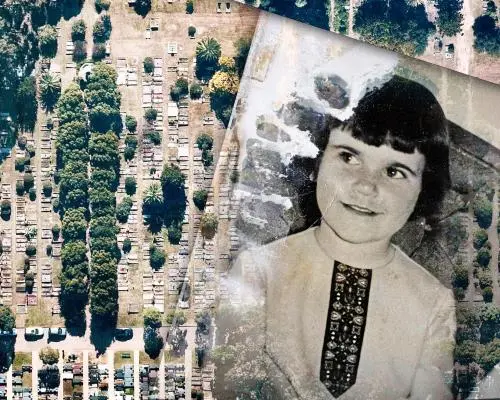
Why are veterans ending up in unmarked graves?
Vietnam veterans, homeless individuals and other disadvantaged Australians are being buried in unmarked communal graves often containing four or more people, according to a Guardian Australia investigation. The practice has been identified in more than 100 graves across New South Wales and some locations in Queensland, with relatives describing the burials as unspeakable and a disgrace. Many of those interred lacked family or financial means to afford individual plots, leading state authorities to use mass burial sites without individual markers.
Latest news
 Ofsted Reports Shape School Choice in England
 Flávio Bolsonaro Surprises with 47% in Brazil’s Presidential Runoff
 Bab al-Mandab Strait Claimed Secured by Yemeni Forces
 UK Government Confirms RAF Fairford Security After US Bomber Withdrawal
The investigation revealed that state governments are utilizing pauper graves—historically intended for the indigent—to bury veterans and homeless people alongside others, sometimes without notification to next of kin. In several cases, families only learned of the communal burials months or years later through official records or chance discoveries. Critics argue the practice erodes dignity and denies families the ability to mourn at a known site, particularly for those who served in conflicts like Vietnam. Advocacy groups have called for transparency in burial records and reform of how unclaimed remains are handled.
What changes are being demanded?
Many Vietnam veterans buried in these graves struggled with homelessness, mental health issues or substance abuse after service, leaving them without stable support networks. When they died, no relatives could be located or afford private funeral costs, triggering state-led pauper burials. Officials cite budget constraints and lack of next of kin as reasons for using shared plots, though advocates say this fails to honor their service. One widow said she was never informed her husband was placed in a grave with three others, calling it a betrayal of his sacrifice.
Families and veteran organizations are urging governments to implement mandatory notification protocols before any pauper burial occurs, ensuring next of kin are contacted whenever possible. They also demand individual markers for all graves, even in communal sites, and improved access to burial records. Some propose dedicated sections within cemeteries for veterans, regardless of financial status. The Queensland government has begun reviewing its procedures, while New South Wales officials say they are examining options to improve transparency and dignity in the process.
How many unmarked graves have been found? The investigation identified over 100 unmarked communal graves in New South Wales and several in Queensland, each typically holding four or more individuals.
Frequently Asked Questions
Are families always notified before a pauper burial? No, in many cases relatives were not informed until discovering the burial through records or chance, prompting calls for mandatory notification policies.
What do critics say about this practice? Relatives and advocacy groups describe the burials as unspeakable and a disgrace, arguing they deny dignity to the deceased and prevent proper mourning for families left without a known gravesite.