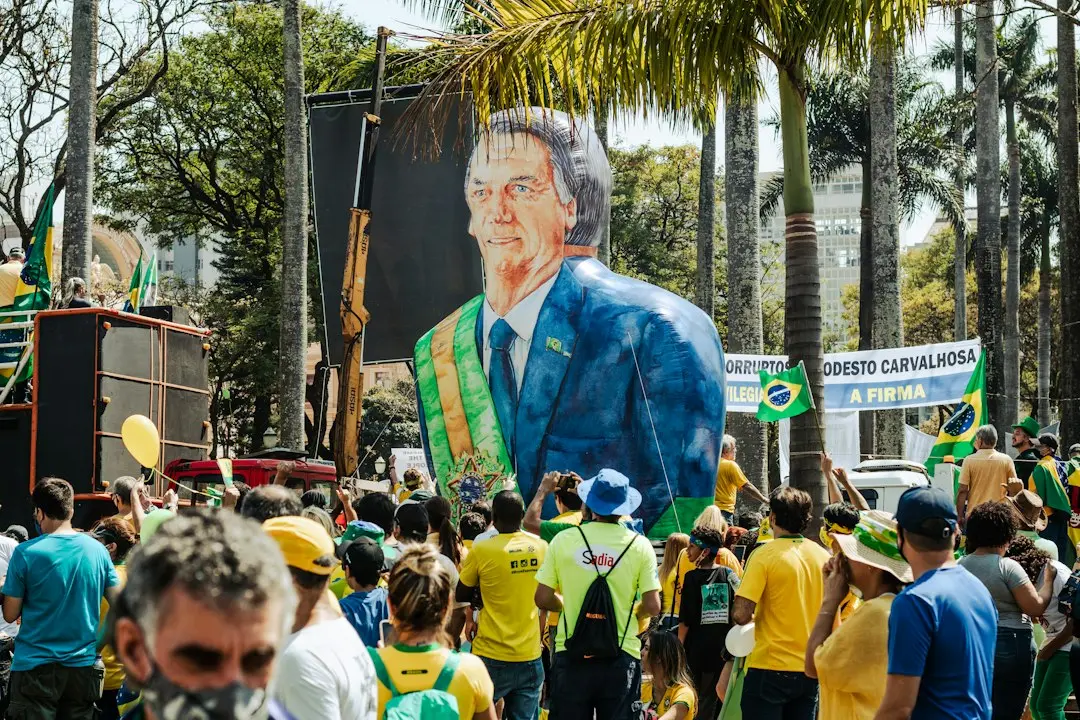
Unexpected Turn in Brazil’s Political Landscape
In a shock to many, Flávio Bolsonaro secured 47% of the vote in the first round of Brazil’s presidential election, a narrow lead over incumbent Luiz Inácio Lula da Silva’s 45%. The election, held on Sunday, saw Bolsonaro receive 56.1 million votes compared with Lula’s 53.8 million. The result puts the former governor of Rio de Janeiro in a position to potentially win the presidency if he can consolidate support in the runoff.
Latest news
 Ofsted Reports Shape School Choice in England
 Bab al-Mandab Strait Claimed Secured by Yemeni Forces
 UK Government Confirms RAF Fairford Security After US Bomber Withdrawal
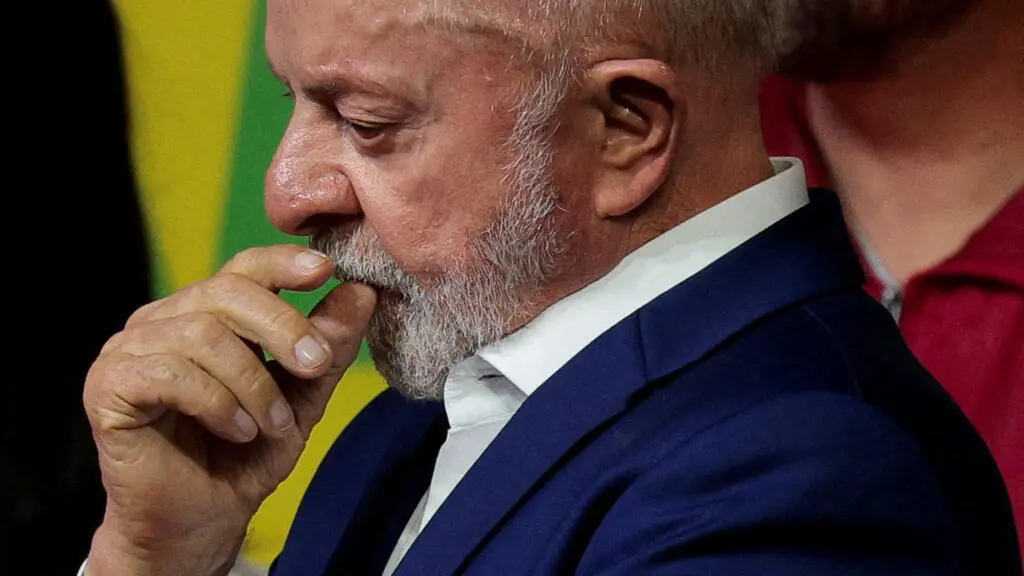 Lula’s Rise and the Path to Bolsonaro’s Fall
The outcome reflects a deeply divided electorate. Progressive voters and supporters of Lula have shown willingness to shift their allegiance, while Bolsonaro’s base remains solid. Analysts point to economic concerns, corruption scandals, and the pandemic’s impact as key factors influencing voter sentiment. Despite the close margin, Bolsonaro’s campaign emphasized anti-corruption and economic stability, aiming to appeal to moderate voters.
The first-round vote count surprised observers, as many had predicted a clear victory for Lula. Bolsonaro’s 47% share indicates that a significant portion of the electorate is still open to change. The margin of 2% over Lula’s 45% suggests that the runoff will be highly contested. Political analysts note that regional variations in support could play a decisive role, with Bolsonaro performing strongly in the South and Northeast, while Lula dominates the North and Central regions.
How Will the Runoff Shape Brazil’s Future?
What will the runoff mean for Brazil’s policy direction? If Bolsonaro wins, he may push for stricter anti-corruption measures and a return to market-friendly policies. Conversely, a Lula victory would likely reinforce progressive reforms and social programs. The upcoming election will test the ability of both campaigns to broaden their appeal beyond core supporters. Voters will also consider the country’s economic recovery and environmental policies, which have become central to the national debate.
The final outcome will determine whether Brazil continues on its current trajectory or shifts toward a more progressive agenda. Both candidates face the challenge of uniting a fractured electorate and addressing the nation’s pressing issues.
Frequently Asked Questions
What was the exact vote difference between Bolsonaro and Lula? Bolsonaro received 56.1 million votes (47%), while Lula obtained 53.8 million votes (45%), a difference of 2.3 million votes.
Which regions showed the strongest support for Bolsonaro? Bolsonaro performed best in the South and Northeast, where his conservative platform resonated with voters.
What are the main policy differences between the two candidates? Bolsonaro focuses on anti-corruption and market-friendly reforms, whereas Lula emphasizes social programs and progressive policies.