Shifting Control in a Fragile State
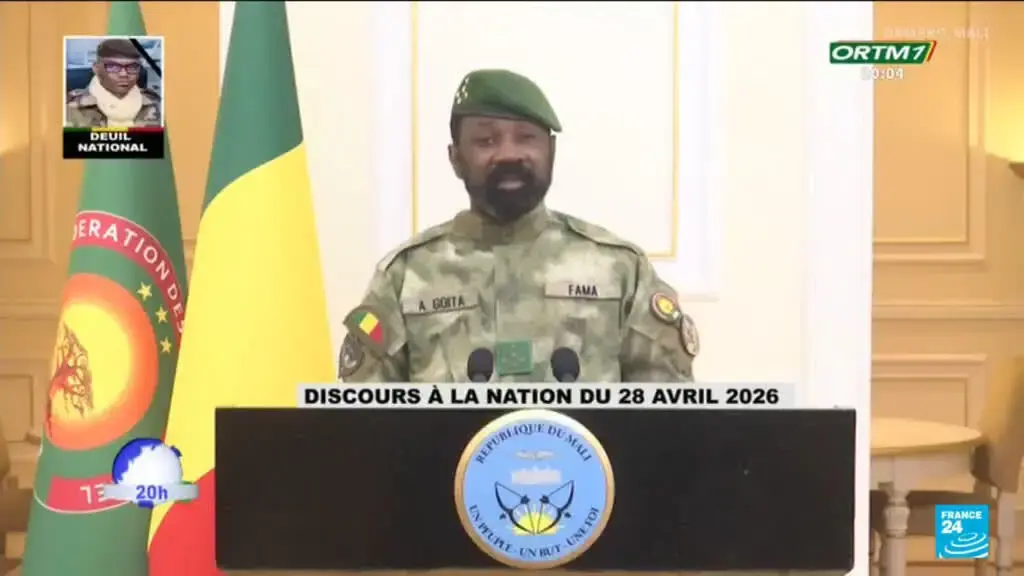
The head of Mali’s military junta appeared publicly Tuesday. This was his first showing since a surge in rebel attacks across the country. Assimi Goïta spoke at a military event near the capital, Bamako. The appearance aimed to project stability amid growing insecurity.
Latest news
 Swedish Voters Choose New Parliament as Left-Wing Coalition Projects to Win Majority
 Trump Announces End of US Tariff on Irish Whisky
 Frances Stonor Saunders, Author of CIA Cultural Espionage Exposé, Dies at 66
 Israel and Lebanon to Hold Security Talks in Rome This October
Goïta’s public silence had fueled speculation. Recent weeks have seen intensified fighting between the army and various armed groups. These groups operate primarily in central and northern Mali. Attacks targeted military installations and civilian populations. The junta has struggled to contain the escalating violence despite assistance from Wagner Group mercenaries. The situation raises concerns about the country’s stability and future.
The recent rebel offensive represents a significant challenge to the junta’s authority. It demonstrates the continued reach of armed groups despite years of conflict. These groups exploit ethnic tensions and weak governance. They also benefit from the availability of weapons in the region. The Malian army, weakened by political instability and resource constraints, is struggling to respond effectively.
Can Mali Regain Security Control?
Goïta’s speech focused on strengthening the armed forces. He emphasized the need for increased training and equipment. He also called for national unity in the face of adversity. However, he offered few specifics on how the junta plans to address the root causes of the conflict. Analysts suggest a purely military approach will likely fail. A comprehensive strategy addressing political and economic grievances is crucial.
The escalating violence has prompted increased international concern. France, a former colonial power, withdrew its troops in 2022. This created a security vacuum that armed groups quickly exploited. The United Nations peacekeeping mission, MINUSMA, is also facing pressure to leave. Mali’s government accuses MINUSMA of failing to adequately support the national army.
The withdrawal of international forces complicates the situation. It leaves the Malian army increasingly reliant on the Wagner Group. This Russian mercenary organization has been accused of human rights abuses. Its presence further destabilizes the region and raises ethical concerns. The junta’s reliance on Wagner also strains relations with Western partners.
Frequently Asked Questions
The ongoing conflict has devastating consequences for the civilian population. Thousands have been displaced from their homes. Access to essential services, such as healthcare and education, has been disrupted. The humanitarian situation is deteriorating rapidly. Without a significant shift in strategy, Mali faces a prolonged period of instability and violence. The future remains uncertain for the nation and its people.
What triggered the recent increase in rebel attacks? The attacks are linked to a power struggle between various armed groups. They aim to control territory and resources. The withdrawal of international forces also contributed to the security vacuum.
What role is the Wagner Group playing in Mali? The Wagner Group provides military support to the Malian junta. They assist in counterterrorism operations and provide training. However, they have been accused of human rights violations.