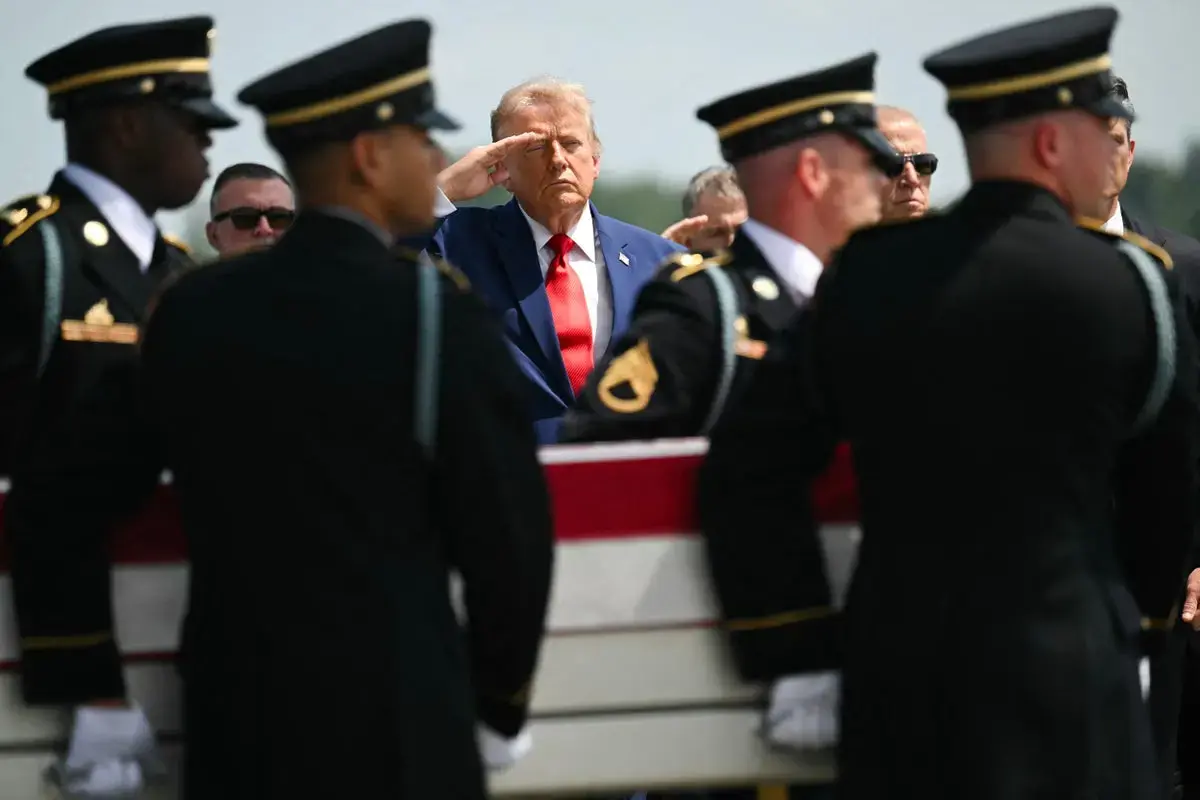
Discrepancy Between Official Figures and Battlefield Reality
The deadly conflict between the United States and Iran escalated at the end of February 2026, when U. S. forces, operating alongside Israel, launched a series of strikes against Iranian targets. According to a new report, the number of American military personnel killed in the ensuing fighting exceeds the figures officially disclosed by the Trump administration. The report, compiled from defense intelligence and battlefield assessments, suggests a significant undercount in public casualty figures. Families of service members and veterans’ groups have long questioned the transparency of wartime loss reporting, particularly during periods of heightened geopolitical tension. The discrepancy raises concerns about accountability and the accuracy of information provided to the public during active hostilities.
Latest news
 South Africans Mark Femicide Victims in Emotional Cape Town Vigil
 Russians flee ahead of election results, fearing forced mobilisation
 Israeli Forces Conduct Demolitions in Southern Lebanon, Hospital Set Ablaze
 Fear of AI Job Losses Now Outweighs Hope for New Opportunities, Study Shows
The report indicates that while the administration acknowledged fewer than 50 U. S. troop deaths, independent assessments place the toll closer to 75 or higher. These figures include personnel killed in direct combat, drone strikes, and retaliatory rocket attacks on U. S. bases in the region. Intelligence analysts involved in the assessment noted that delays in confirming fatalities, especially in remote or contested areas, contributed to the lag in official reporting. Some deaths were initially categorized as non-hostile or under investigation before being reclassified. The report also highlights inconsistencies in how casualties were logged across different branches of the military, further complicating efforts to maintain an accurate count. Whistleblowers within the Department of Defense reportedly provided anonymized data to support the findings, citing ethical concerns about misleading the public.
Why Might the Administration Have Underreported the Toll?
Officials familiar with internal discussions suggest that minimizing casualty numbers may have been intended to avoid domestic backlash and preserve political support for the military campaign. With public opinion already divided over the decision to engage Iran militarily, higher death tolls could have intensified calls for congressional oversight or a withdrawal of forces. Additionally, the administration faced pressure to project strength and control in its foreign policy messaging, particularly ahead of the 2026 midterm elections. Acknowledging a higher cost in lives might have undermined narratives of operational success and strategic restraint. Critics argue that such practices erode trust in government institutions and hinder informed democratic debate about war and peace.
The findings have prompted renewed calls for legislation requiring real-time disclosure of U. S. military casualties in overseas conflicts. Veterans’ advocacy groups are urging Congress to establish an independent oversight board to verify casualty reports before they are released. Defense officials, meanwhile, maintain that operational security sometimes necessitates temporary delays in reporting, though they concede that systemic improvements are needed. The report’s authors recommend standardizing casualty tracking across all combatant commands and increasing access to data for congressional auditors. As the U. S. continues to navigate volatile regions, ensuring accurate and timely reporting of human costs remains a critical test of governmental integrity.
What Are the Implications for Military Transparency Moving Forward?
Why did the Trump administration reportedly undercount U. S. troop deaths in the Iran conflict? Internal sources suggest the administration sought to avoid political fallout and maintain public support for the military action by presenting lower casualty figures, especially during an election year.
Frequently Asked Questions
How were the higher casualty numbers determined in the report? The report relies on battlefield intelligence, after-action reviews, and anonymized inputs from defense personnel who disputed official counts due to delays and inconsistencies in reporting procedures.
What changes are being proposed to improve transparency in military casualty reporting? Proposals include creating an independent oversight panel, mandating faster disclosure of deaths, and standardizing casualty tracking across military branches to prevent undercounting and ensure accountability.