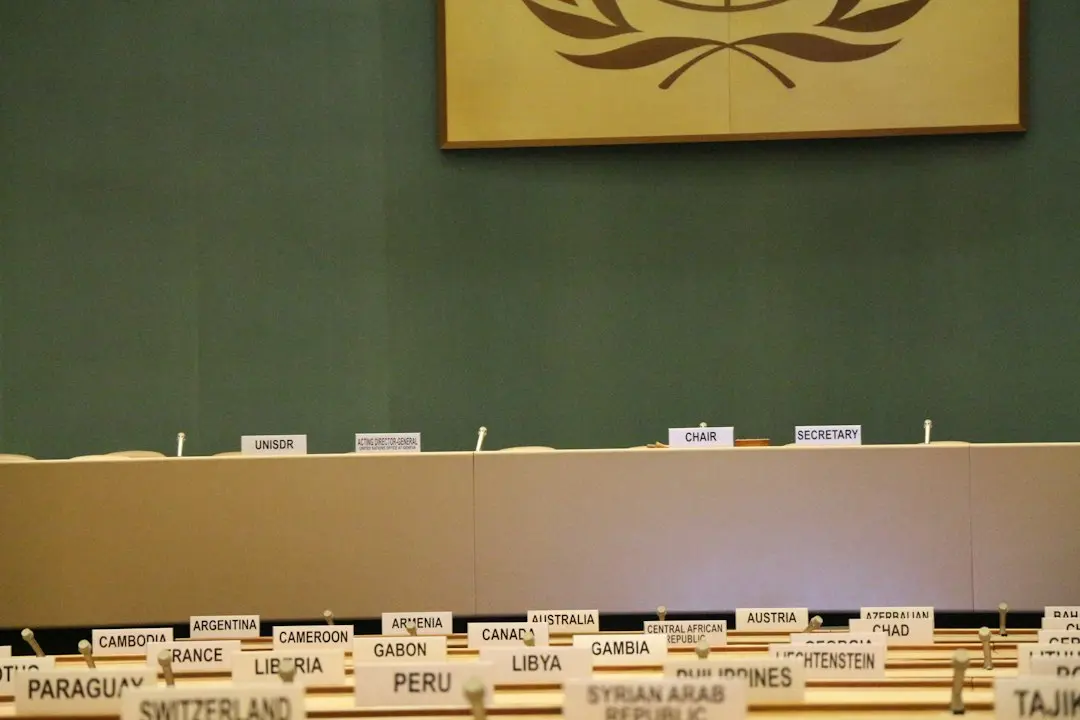
Setting Binding Targets for 2029 Defense Readiness
BRUSSELS — NATO has launched internal discussions this month to determine the specific military forces and weapons its 32 member nations must prepare to counter a potential Russian attack, setting capability targets for 2029. The initiative comes amid growing concerns over Russia’s long-term intentions and aims to translate political commitments into concrete defense planning across the alliance. Officials say the process will clarify what each country must contribute in terms of troops, equipment, and logistics to ensure collective readiness.
Latest news
 The Kingmakers of Israeli Politics
 Spain's pension system faces growing financial pressure despite not being bankrupt
 Israeli blockade prevents access to vital care for Gaza's amputees
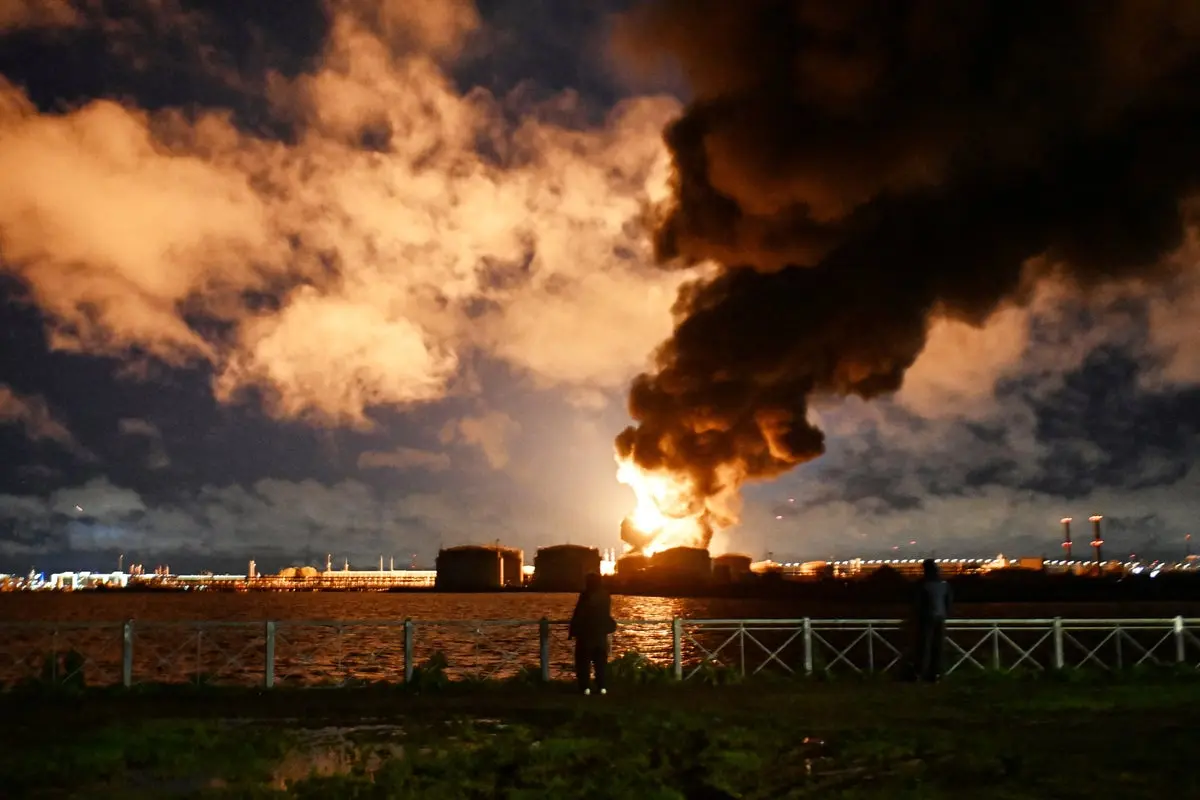 Ukraine Launches Massive Drone Assault on Russia, Incendiary Attacks Ignite Petrochemical Sites
The talks will establish detailed capability goals that each ally must meet by 2029, moving beyond vague pledges to specific, measurable requirements. This includes defining the number of brigades, air defense systems, naval assets, and cyber units each country should maintain. European officials have warned that failure to agree on fair burden-sharing could undermine the alliance’s credibility, especially as some members continue to fall short of the 2% GDP defense spending benchmark. The deadline is intended to create urgency and accountability in national planning cycles.
How Will Allies Finance the Required Upgrades?
A central challenge in the discussions is determining how countries will fund the necessary investments in modern weapons, infrastructure, and personnel training. NATO does not have its own budget for major equipment, so individual nations must bear the costs through national defense spending. Some smaller allies have expressed concern about their ability to afford advanced systems like long-range missiles or fifth-generation aircraft without increased financial support or cooperative procurement schemes. Officials suggest that joint funding mechanisms or NATO-backed loans could be explored to help bridge gaps.
What triggers this new planning cycle? The planning cycle is driven by updated assessments of Russian military capabilities and intentions, particularly following its full-scale invasion of Ukraine, which has prompted NATO to reassess its long-term deterrence and defense posture.
Frequently Asked Questions
Will all 32 NATO members be held to the same standards? No, targets will be tailored to each country’s size, geographic position, and existing capabilities, but all will be expected to contribute meaningfully to the alliance’s overall strength based on agreed-upon formulas.
Is there a penalty for missing the 2029 goals? While there are no automatic sanctions, allies who fail to meet their commitments could face political pressure and reduced influence in NATO decision-making, as reliability is seen as core to alliance cohesion.