Rutte calls for restraint amid rising nuclear rhetoric
Mark Rutte, the Secretary General of NATO, addressed Russia directly at the Euronews Defence Summit, demanding an end to its nuclear rhetoric as Moscow continues to signal potential use of its arsenal. Speaking in Brussels, Rutte emphasized that while Russia’s threats are concerning, there is currently no imminent danger to NATO member states’ territory. He reiterated NATO’s commitment to deterrence and unity, stressing that alliance defenses remain robust and ready. The summit brought together defense leaders to discuss European security in light of escalating tensions.
Latest news
 Male Birth Control Pill Nears Reality After Long Wait
 UK 30-Year Government Bond Yields Surge to 6%, Highest Since 1998
 Sanaa Takaichi Tightens Rules for Foreigners Seeking Japanese Permanent Residency
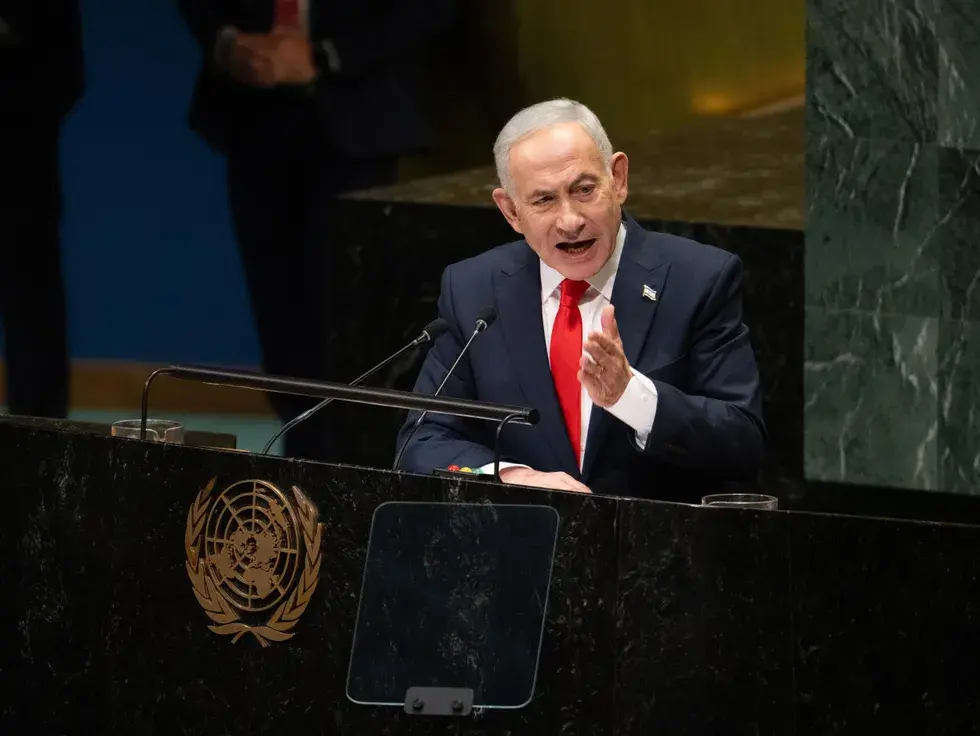 Netanyahu Accuses Erdogan of Seeking Control Over Syria
During his speech, Rutte warned that any use of nuclear weapons by Russia would be met with a decisive and unified response from NATO. He clarified that the alliance does not seek confrontation but will not tolerate actions that undermine European security. Rutte noted that Russia’s recent statements about its nuclear capabilities have increased anxiety across the continent, particularly in Eastern Europe. Despite this, he maintained that diplomatic channels remain open and that NATO’s primary goal is to prevent escalation through strength and dialogue. His remarks were aimed at de-escalating fears while reinforcing the alliance’s resolve.
How is Belgium responding to the perceived threat from Russia?
Belgian Defence Minister Theo Francken echoed concerns about Russia’s intentions, stating that Moscow represents Belgium’s most significant security challenge. He argued that Belgium must strengthen its defense capabilities and deepen cooperation with NATO allies to counter potential hybrid and military threats. Francken highlighted recent investments in cyber defense, air surveillance, and rapid response units as part of Belgium’s national strategy. He also urged greater public awareness of security risks, suggesting that civilian resilience is as important as military readiness. His comments reflect a growing consensus among NATO members that vigilance must be sustained across all domains.
The summit’s discussions signal a shift toward enhanced readiness and long-term planning within NATO, particularly regarding deterrence in Eastern Europe. Allies are expected to review force deployments, logistics, and intelligence sharing to ensure rapid response capabilities. While no immediate troop increases were announced, leaders agreed on the need for sustained investment in defense infrastructure. Rutte concluded by affirming that NATO’s strength lies in its unity and that any aggression will be met with solidarity. The message was clear: diplomacy is preferred, but deterrence remains credible.
What does this mean for NATO’s future posture?
Is NATO planning to deploy nuclear weapons in response to Russia’s threats? No, NATO has not announced any plans to deploy nuclear weapons. The alliance maintains a policy of deterrence and stresses that its nuclear posture is defensive and strictly controlled.
Frequently Asked Questions
Why does Belgium consider Russia its biggest threat? Belgian officials cite Russia’s aggressive rhetoric, military activities near NATO borders, and hybrid tactics such as cyberattacks and disinformation as key reasons for viewing it as a primary security concern.
Will NATO increase its military presence in Eastern Europe soon? While no immediate deployments were confirmed, NATO is assessing its forward presence and may enhance readiness measures based on ongoing threat evaluations.