Mayor Mamdani Faces Backlash Over Reversed Pledge
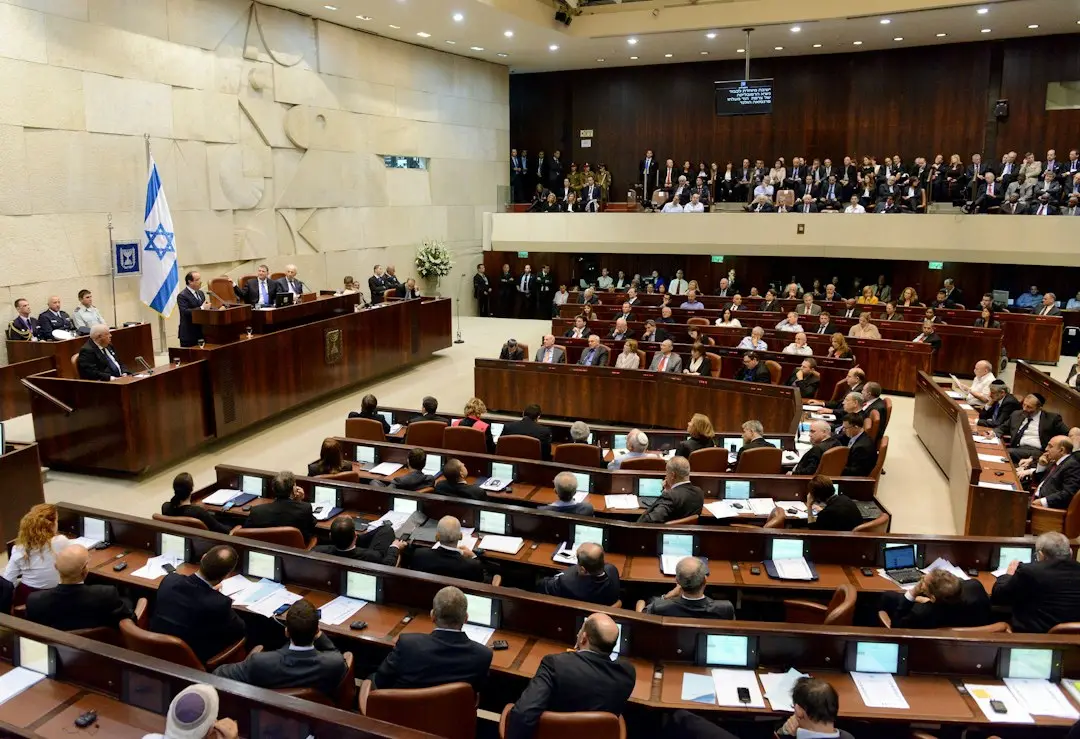
Israeli Prime Minister Benjamin Netanyahu visited the United Nations headquarters in New York City. He did not face arrest during his address to the General Assembly. However, police detained several demonstrators gathered outside the building. These protesters were actively opposing his presence and policies. The event occurred during the annual UN General Assembly session.
Latest news
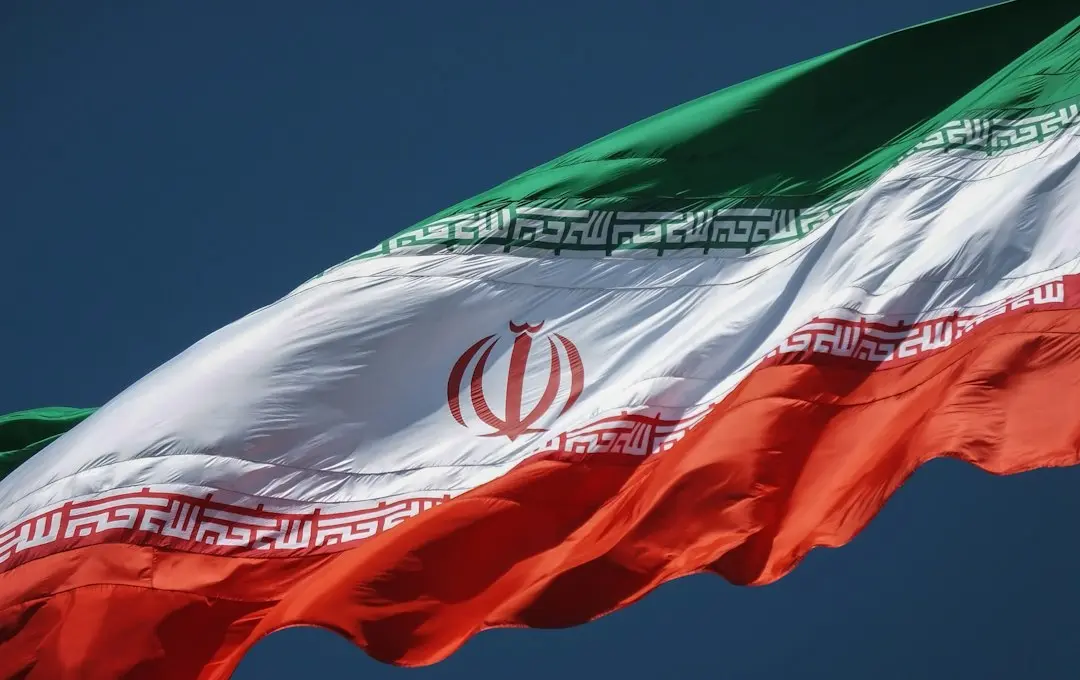 Iran Declares Conflict With Washington Far From Over
 US denies Iran captured underwater drones in Strait of Hormuz
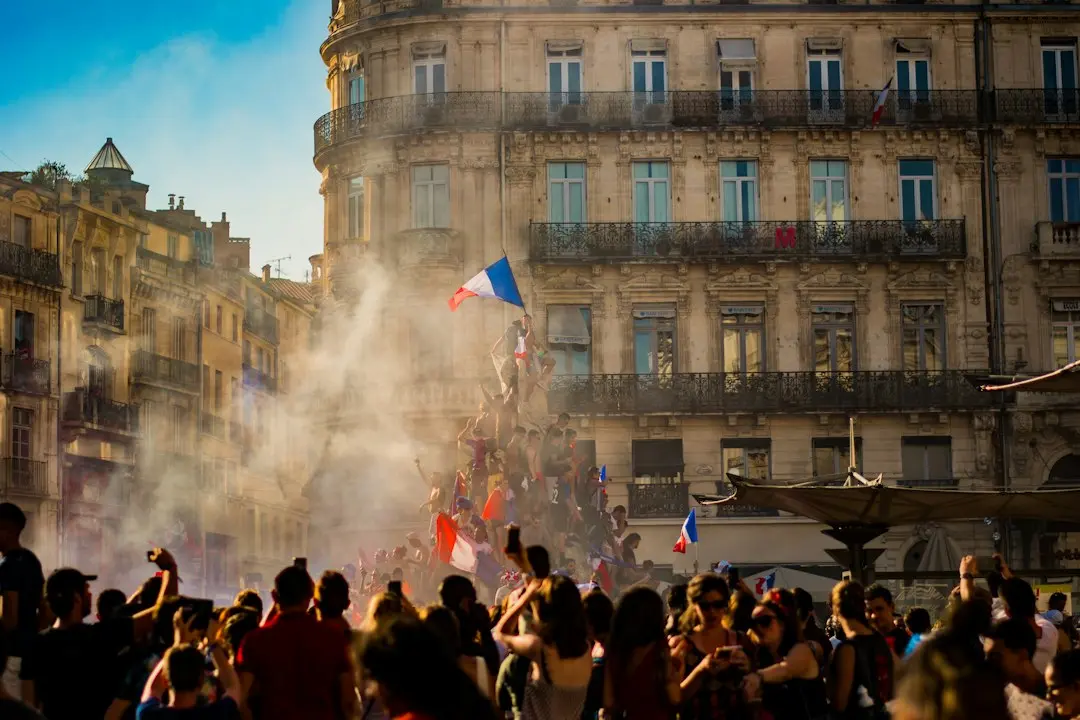 Cognac Faces Trade‑War Fallout as Sales Slump
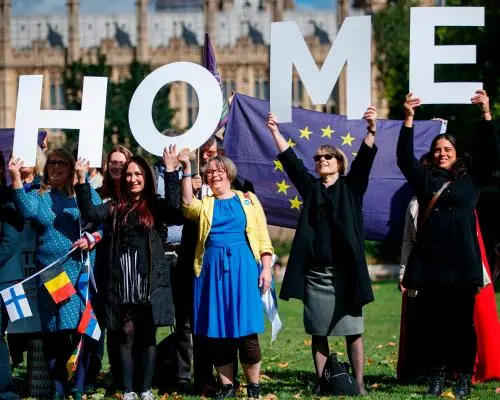 Home Office Faces Lawsuits After Revoking EU Residents’ Rights
The scene outside the UN headquarters turned tense as crowds gathered. Officers moved through the lines of people holding signs. Many individuals were chanting slogans against the Israeli leader. The atmosphere was charged with political energy. Security forces prioritized crowd control over the visiting dignitary. This contrast highlighted the gap between diplomatic protocol and public sentiment.
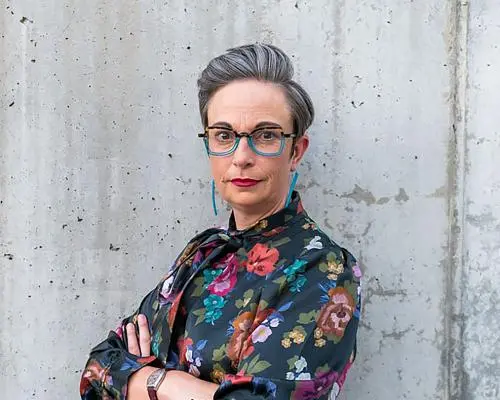
New York City Mayor Zohran Mamdani drew sharp criticism from activists. During his recent election campaign, he promised to support the arrest of Netanyahu. He cited international legal warrants as justification for this action. However, once in office, his administration adopted a more cautious stance. Officials argued that arresting a head of state was complex. They feared it could strain diplomatic relations significantly. Protesters viewed this shift as a broken promise. They felt the city failed to back its bold rhetoric with decisive action.
Did Police Actions Reflect Broader Diplomatic Tensions?
Mamdani’s team explained the decision through logistical and legal channels. They noted that coordination with federal authorities was necessary. The mayor’s office emphasized the need for stability during a major global event. Critics, however, remained unconvinced by these explanations. They pointed to the visible police presence around the perimeter. The visual evidence suggested a focus on containment rather than enforcement. This discrepancy fueled further anger among the demonstration crowd.
The detention of protesters raised questions about local policing strategies. Officers used standard procedures to manage the crowd size. Some detainees were held briefly before being released. Others faced minor charges related to obstruction. The police department stated that all actions followed established protocols. They aimed to keep the area safe for attendees. Yet, the timing of the arrests sparked debate. Observers wondered if the force used was proportional to the threat. Social media clips showed interactions between officers and civilians. These videos quickly spread across digital platforms. They generated widespread discussion about civil liberties during protests.
The incident underscored the high stakes of hosting world leaders. New York City often serves as a backdrop for international diplomacy. Local politics frequently intersect with global affairs in such settings. The mayor’s reversal became a focal point for future debates. Activists plan to organize similar gatherings in the coming months. They intend to pressure local officials into clearer positions. The outcome of these future events remains uncertain.
Frequently Asked Questions
Was Netanyahu formally arrested during his speech? No, the Prime Minister was not taken into custody. He completed his address without interruption from law enforcement.
Why did Mayor Mamdani change his initial stance? His administration cited complex legal and diplomatic considerations. They prioritized smooth operations for the General Assembly.
How many protesters were detained? Police reported detaining multiple individuals outside the venue. Most were released after brief questioning or processing.