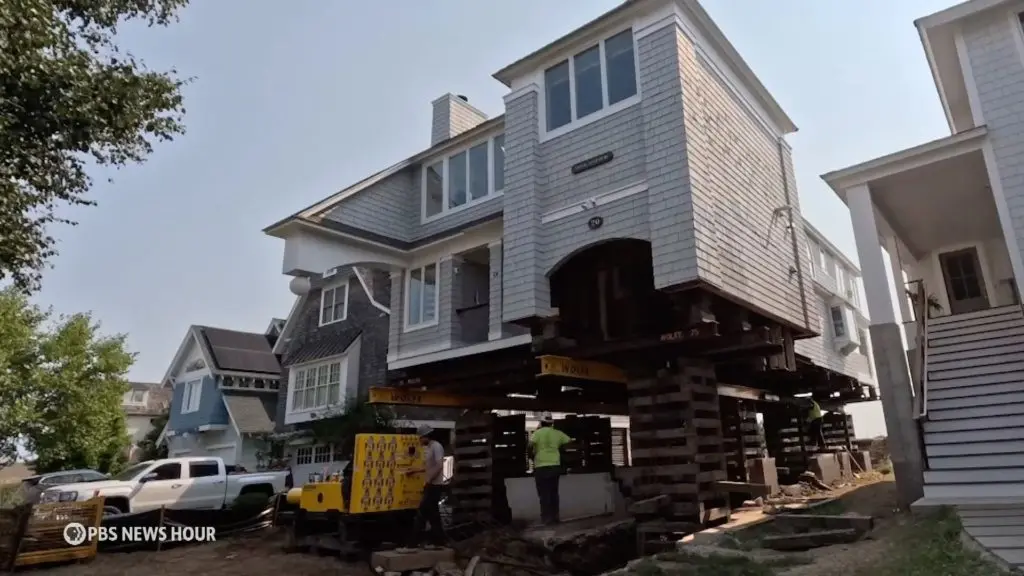
Engineers note that traditional solutions like seawalls often worsen erosion
Coastal towns across the United States are facing accelerating threats from rising sea levels, intensifying storms, and relentless shoreline erosion. As of September 2026, communities from Maine to Texas are witnessing unprecedented changes to their beaches, dunes, and waterfront infrastructure. Local officials report that erosion rates have doubled in some areas over the past decade, forcing difficult decisions about adaptation and retreat. The primary drivers include climate change-induced sea level rise, which has increased by over eight inches since 1990, and more frequent and powerful hurricanes and nor'easters. These storms strip away protective barriers like wetlands and dunes, leaving homes and roads increasingly exposed. In places like Outer Banks, North Carolina, and Cape Cod, Massachusetts, residents describe watching decades of sand disappear in just a few storm seasons.
Latest news
 Saudi Arabia Declares Mecca Attack Attempt a Red Line as Houthis Deny Involvement
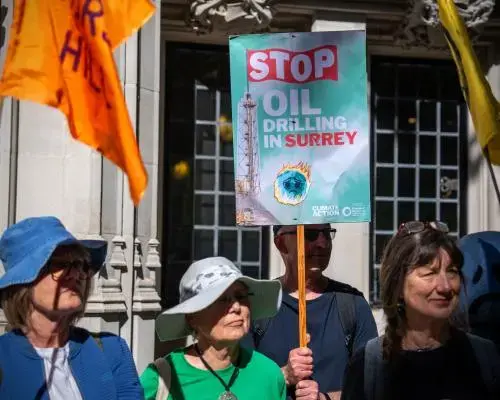 Surrey Oil Drilling Project Sold After Supreme Court Rejection
 Union leaders urge bold action for Labour leader
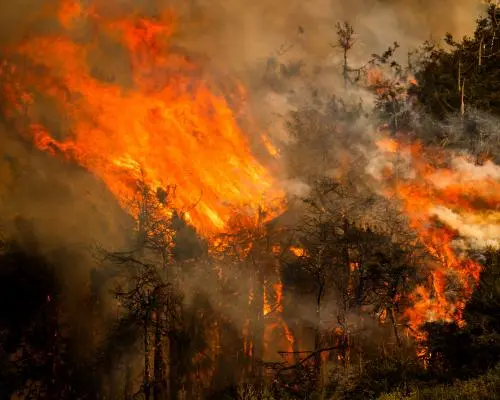 Wildfire Crisis Deepens as Federal Firefighter Shortage Plagues Summer Season
Engineers note that traditional solutions like seawalls often worsen erosion downstream, prompting a shift toward nature-based approaches such as living shorelines and beach nourishment. How Are Towns Adapting to Shrinking Shorelines? Many coastal municipalities are implementing hybrid strategies that combine engineering with ecological restoration. In Galveston, Texas, officials have invested millions in pumping sand onto eroded beaches while simultaneously restoring marshlands to absorb wave energy. In contrast, some communities in Louisiana are pursuing managed retreat, offering buyouts to homeowners in high-risk zones. Federal funding through programs like FEMA’s Building Resilient Infrastructure and Communities initiative has become critical, though access remains uneven. Scientists warn that without significant reductions in greenhouse gas emissions, current adaptation efforts may only delay inevitable losses. What Happens When the Ocean Reaches Your Backyard?
The consequences extend beyond property loss to include threats to freshwater supplies, cultural heritage sites, and local economies dependent on tourism and fishing.
Saltwater intrusion is already contaminating wells in parts of Florida and the
Saltwater intrusion is already contaminating wells in parts of Florida and the Carolinas. Historians worry about the submersion of indigenous archaeological sites along the Gulf Coast. Economists project that coastal real estate losses could exceed $1 trillion by 2050 if trends continue. Yet, many residents express deep attachment to their communities, making relocation emotionally and socially complex despite clear risks. Frequently Asked Questions Why can't seawalls stop erosion permanently? Seawalls reflect wave energy rather than absorbing it, which can increase scouring at their base and accelerate erosion on adjacent unprotected shores. Over time, this often requires costly repairs or extensions, creating a cycle of dependency on hard infrastructure. Is beach nourishment a lasting solution? Beach nourishment provides temporary relief by adding sand, but it must be repeated every few years as storms and currents wash it away.
Its effectiveness depends on storm frequency, sediment availability, and funding consistency, making it a costly ongoing effort rather than a fix. Are all coastal communities equally at risk? No, risk varies based on geography, local sea level rise rates, storm exposure, and existing natural protections. Low-lying, sandy coasts like those in the mid-Atlantic and Gulf regions are generally more vulnerable than rocky or elevated shorelines found in parts of New England or California.