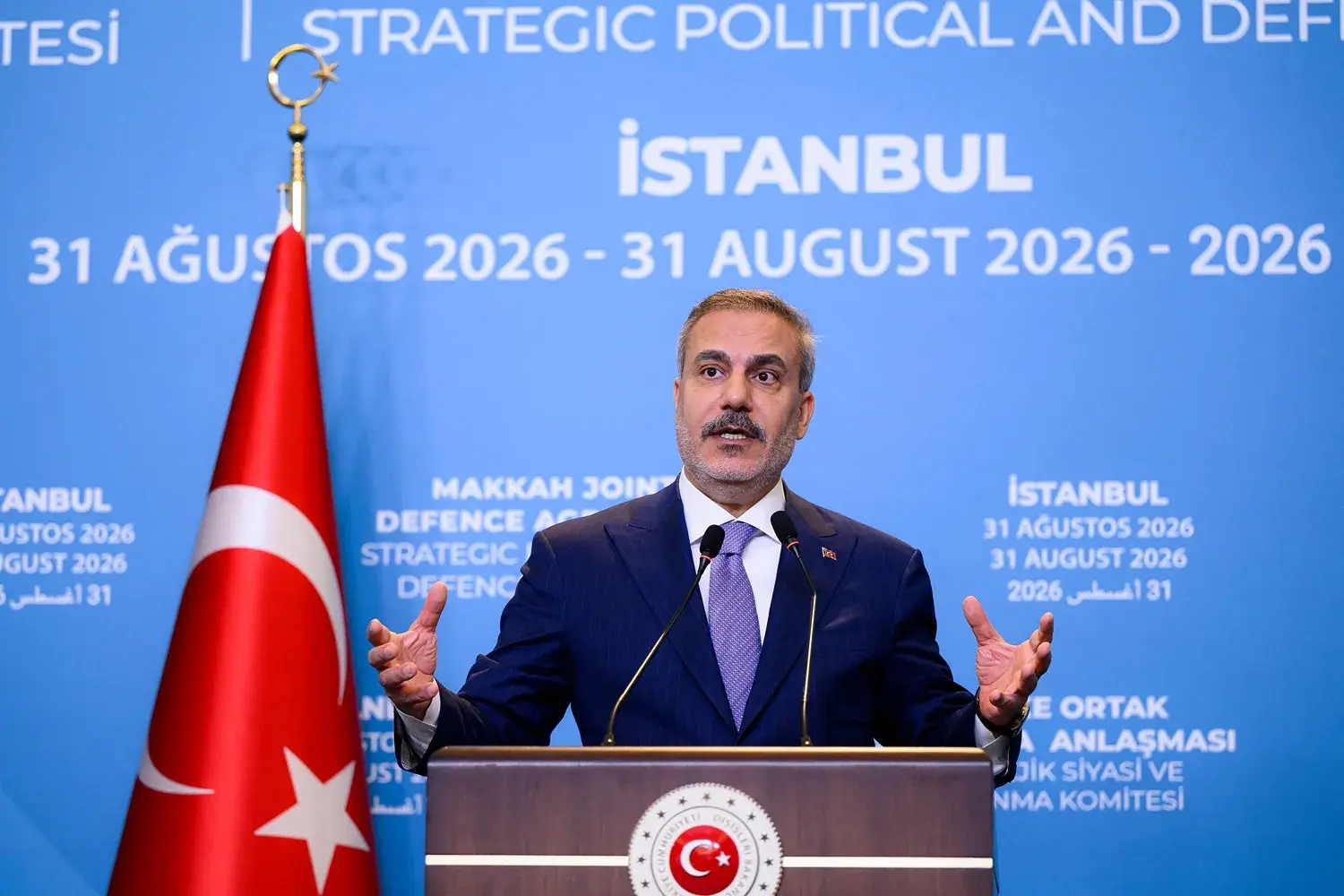
Strategic Implications for Red Sea Security
Pakistan, Saudi Arabia, and Turkey have formally activated a mutual defense agreement, marking a significant shift in regional security dynamics. The pact, designed to ensure collective response to external threats, was triggered amid rising tensions in the Red Sea and Gulf of Aden, where Houthi militant activity has intensified. Officials from all three nations confirmed the move during a closed-door summit in Islamabad last week, emphasizing the need for coordinated deterrence. The agreement includes provisions for joint military exercises, intelligence sharing, and rapid deployment of forces in case of aggression against any signatory state. Analysts note the pact reflects growing concern over Iran-backed Houthi attacks on commercial shipping, which have disrupted global trade routes and prompted naval responses from multiple countries. The activation comes as Saudi Arabia continues its military campaign in Yemen, while Turkey seeks to expand its influence across the Middle East and South Asia.
Latest news
 French Students Face Harsh Crackdown During Nationwide School Protests
 Coalition Admits Immigration Policy Lacks Full Independent Costing
 Tony Wilson and the Factory Records Legacy Return to Cinemas
 Israel Marks Three Years Since the October 7 Hamas Attacks
Pakistan, balancing its traditional ties with Saudi Arabia and its strategic relations with Iran, positions itself as a stabilizing actor in the unfolding crisis.
Can This Alliance Prevent a Wider Regional Conflict?
The mutual defense pact could alter the calculus of Houthi leadership, which has relied on asymmetric warfare to pressure Saudi Arabia and its allies. By presenting a unified front, the three nations aim to deter further escalation and protect critical maritime infrastructure. Experts suggest the alliance may encourage other regional players to reconsider their stance, potentially isolating the Houthis diplomatically and militarily. However, critics warn that such a bloc could deepen sectarian divides and provoke retaliatory actions from Iran-aligned groups. The pact’s effectiveness will depend on sustained political will and operational coordination, particularly given the diverse military doctrines and foreign policy priorities of the signatories. Early indicators show increased naval patrols in the Bab al-Mandeb Strait, with Turkish frigates joining Saudi-led task forces under Pakistani logistical support.
While the defense pact strengthens deterrence, its ability to prevent broader conflict remains uncertain. The Houthis have shown resilience despite years of Saudi-led bombing campaigns, and their ideological commitment to resisting foreign intervention complicates diplomatic solutions. Turkey’s involvement adds a new dimension, given its rivalry with Saudi Arabia over leadership of the Muslim world and its recent rapprochement with Syria. Pakistan’s role as a mediator may be tested if the pact is perceived as favoring one side in Yemen’s civil war. Regional observers stress that long-term stability requires addressing root causes, including Yemen’s humanitarian crisis and Iran’s regional ambitions. Without parallel political engagement, military coordination alone risks freezing rather than resolving the underlying dispute.
What triggered the activation of the mutual defense pact? The pact was activated in response to escalating Houthi attacks on international shipping lanes in the Red Sea, which threatened trade and regional security, prompting the three nations to invoke collective defense clauses.
Frequently Asked Questions
Does the pact involve direct military intervention in Yemen? No, the agreement focuses on defensive cooperation, including joint patrols and intelligence sharing, rather than offensive operations inside Yemen, though it supports Saudi Arabia’s security objectives in the region.
How might Iran react to this new alliance? Iran has not issued an official response but is likely to view the pact as a hostile encirclement, potentially increasing support for the Houthis or pursuing counterbalancing measures through its regional proxies.