A Moderate Stance Challenges Political Expectations
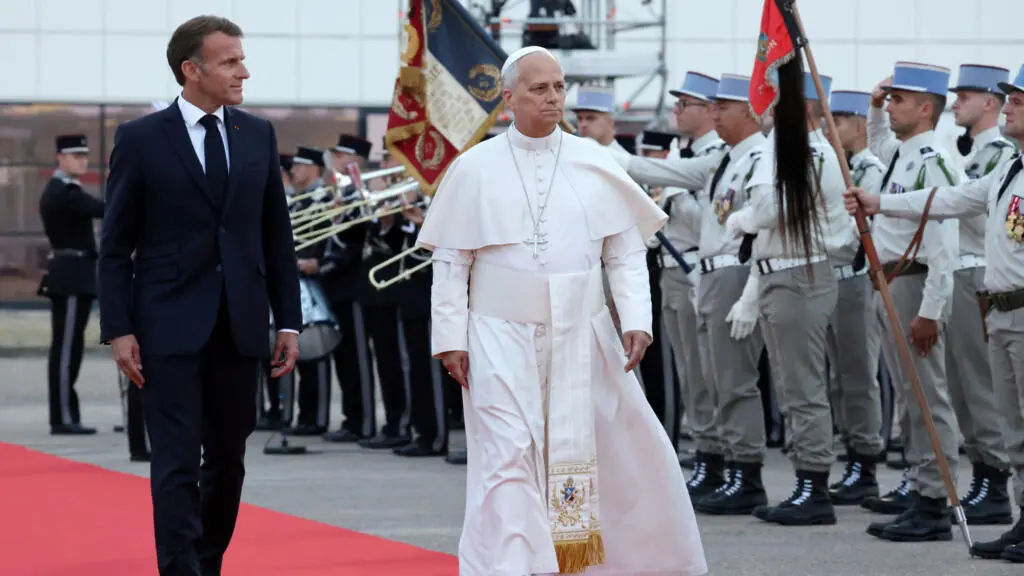
Pope Leo has arrived in France with a clear diplomatic mission. He aims to defend core European Union values during a period of intense political tension. The visit places him directly in the crosshairs of the country’s far-right movement. This group frequently criticizes the Vatican’s stance on social issues. The new pontiff seeks to bridge the gap between religious tradition and modern secular governance. His presence signals a strong commitment to interfaith dialogue and continental cooperation.
Latest news
 US Officials Question Bail Decisions Following Security Breach at RAF Fairford
 Eighty-Seven-Year-Old Evicted Tenant Set to Return Home
 Argentina Threatens Legal Action Over Falklands Oil Drilling
 Rights Advocates Condemn Alleged Vietnamese Abductions
The timing of this trip is strategically significant for European politics. France currently hosts one of the most vocal far-right parties in Europe. These politicians often argue that the Church should focus solely on spiritual matters. They view the Pope’s advocacy for EU principles as an overreach into national sovereignty. Leo’s moderate approach contrasts sharply with previous pontiffs who sometimes aligned more closely with conservative social agendas. He emphasizes unity, inclusion, and shared responsibility among member states. This shift in tone has surprised many traditionalist observers within the Catholic community.
Will Religious Influence Reshape European Politics?
The Pope’s itinerary includes meetings with French government officials and local clergy. He plans to address the public on themes of solidarity and justice. These topics resonate strongly with current EU policy discussions regarding migration and economic support. By framing these issues through a moral lens, Leo adds weight to the European project. Critics from the extreme right have already launched campaigns against his visit. They argue that the Vatican supports open borders and progressive social policies. However, Leo maintains that the Church serves all people, regardless of their political affiliation. His message focuses on the common good rather than partisan victory.
The reaction from French political leaders has been mixed but largely welcoming. Centrist and left-wing figures see the Pope as a potential ally. They hope his influence can counterbalance the growing power of populist movements. Right-wing leaders remain cautious, fearing that his statements might sway undecided voters. Despite this, the general public appears engaged with the visit. Attendance at planned events is expected to be high. The Pope’s personal demeanor has helped soften the initial skepticism from some quarters. He presents himself as a peacemaker rather than a political activist.
The long-term impact of this visit remains uncertain. If Leo successfully frames EU values as moral imperatives, he could influence future elections. Far-right leaders may respond by strengthening their anti-institutional rhetoric. This could lead to a sharper divide between religious and secular political spheres. The Vatican’s role in European affairs is likely to become more prominent. Other EU nations may look to France as a model for church-state relations. The outcome will depend on how well the Pope balances his spiritual authority with political realities.
Frequently Asked Questions
Who is the new Pope visiting France? Pope Leo is the current head of the Catholic Church. He is known for his moderate views on social and political issues. His visit marks a significant moment in church-state relations in Europe.
Why does the French far-right oppose the Pope’s visit? They believe the Vatican interferes too much in national politics. They argue that the Church should remain separate from state affairs. Specifically, they disagree with the Pope’s support for EU integration and social welfare programs.