How Traditional Crafts Were Revived in the Process
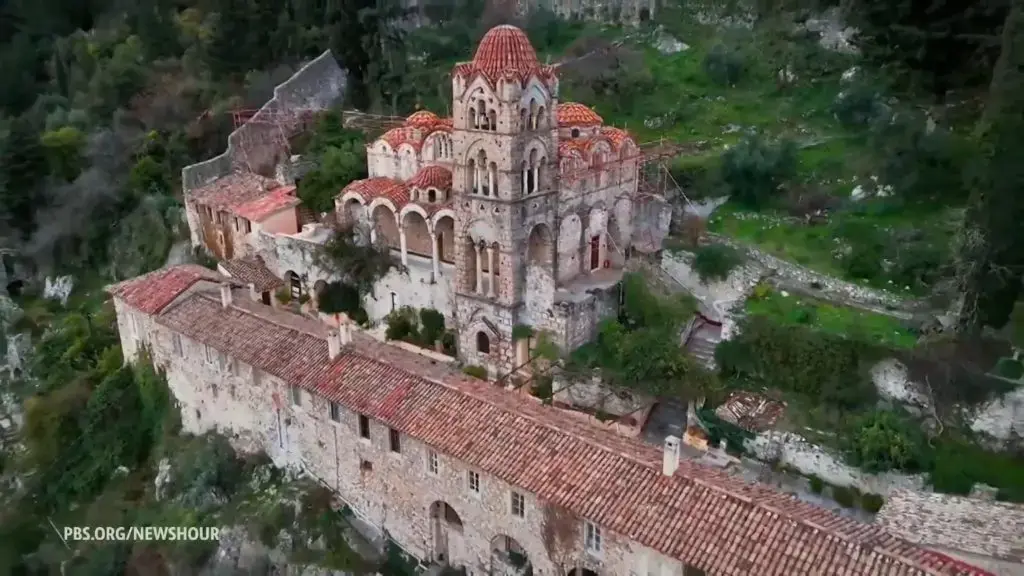
A restored Byzantine palace in Greece now serves as a model for cultural heritage conservation, blending historical accuracy with modern techniques. Located in the Peloponnese region, the 14th-century structure reopened to the public in September 2026 after a decade-long restoration led by Greek archaeologists and international experts. The project focused on repairing earthquake damage while preserving original mosaics, frescoes, and stonework using traditional methods and materials.
Latest news
 UN Report Accuses US and Iran of Serious Human Rights Violations
 Canada Eyes EU Associate Membership Under Prime Minister Mark Carney
 Fiji Declares National Emergency Over Rapid HIV Surge
 Israeli Forces Detain Palestinian Journalist in Ramallah Raid
The restoration team prioritized authenticity, sourcing local limestone and reviving lost Byzantine painting techniques to repair damaged iconography. Digital scanning guided structural reinforcements invisible to visitors, ensuring stability without altering the palace’s appearance. Funding came from the Greek Ministry of Culture and EU heritage grants, totaling over 12 million euros. Officials emphasized that the approach avoids over-restoration, maintaining visible signs of age and history as part of the monument’s narrative.
What Lessons Can Other Countries Learn From This Model?
Artisans trained in centuries-old techniques were employed to recreate missing decorative elements, from gold-leaf gilding to hand-laid mosaic tiles. Workshops were established nearby to teach these skills to young apprentices, ensuring the knowledge survives beyond the project. One master craftsman noted, „We didn’t just copy the past—we relearned its language.” This effort has sparked interest in reviving similar practices at other Byzantine sites across Greece and Cyprus.
The project demonstrates that high-fidelity restoration is possible when local expertise, modern diagnostics, and respect for historical integrity are combined. Unlike reconstructions that erase historical layers, this method preserves the building’s evolution, including later Ottoman additions now carefully conserved. Experts suggest the framework could guide restoration efforts in earthquake-prone regions like Italy or Turkey, where balancing safety and authenticity remains a challenge.
How long did the restoration of the Byzantine palace take? The restoration spanned ten years, beginning in 2016 and concluding with the public reopening in September 2026. It involved careful planning, structural assessments, and phased interventions to address both immediate risks and long-term preservation.
Frequently Asked Questions
Was the palace damaged by natural disasters? Yes, the palace suffered significant damage from multiple earthquakes over the centuries, with the most recent major seismic event prompting the current restoration initiative. Engineers used seismic data to reinforce foundations while maintaining the building’s historical appearance.
Can visitors see the original Byzantine features today? Yes, key original elements such as 14th-century mosaics, wall paintings, and stone carvings have been preserved and are now visible to the public. Restoration work focused on stabilizing and cleaning these features rather than replacing them, ensuring their authenticity remains intact.