
Volker emphasized that any direct attack, even a small-scale one
Concerns are growing that Russia could launch direct military actions against NATO members to probe the alliance's unity and response capabilities. Intelligence assessments suggest Moscow might be considering limited strikes to gauge how quickly and decisively NATO would react under Article 5 commitments. The speculation comes amid heightened tensions following Russia's ongoing war in Ukraine and its increasingly assertive posture toward Eastern Europe. Former U. S. Ambassador to NATO Kurt Volker warned that such a move would represent a dangerous escalation, designed not to win territory but to test political will. He noted that Russia has historically used military pressure to expose divisions within the alliance, particularly when facing sanctions or diplomatic isolation.
Latest news
 Australia Seeks Tech Giant Help to Bolster Online Safety and AI Rules
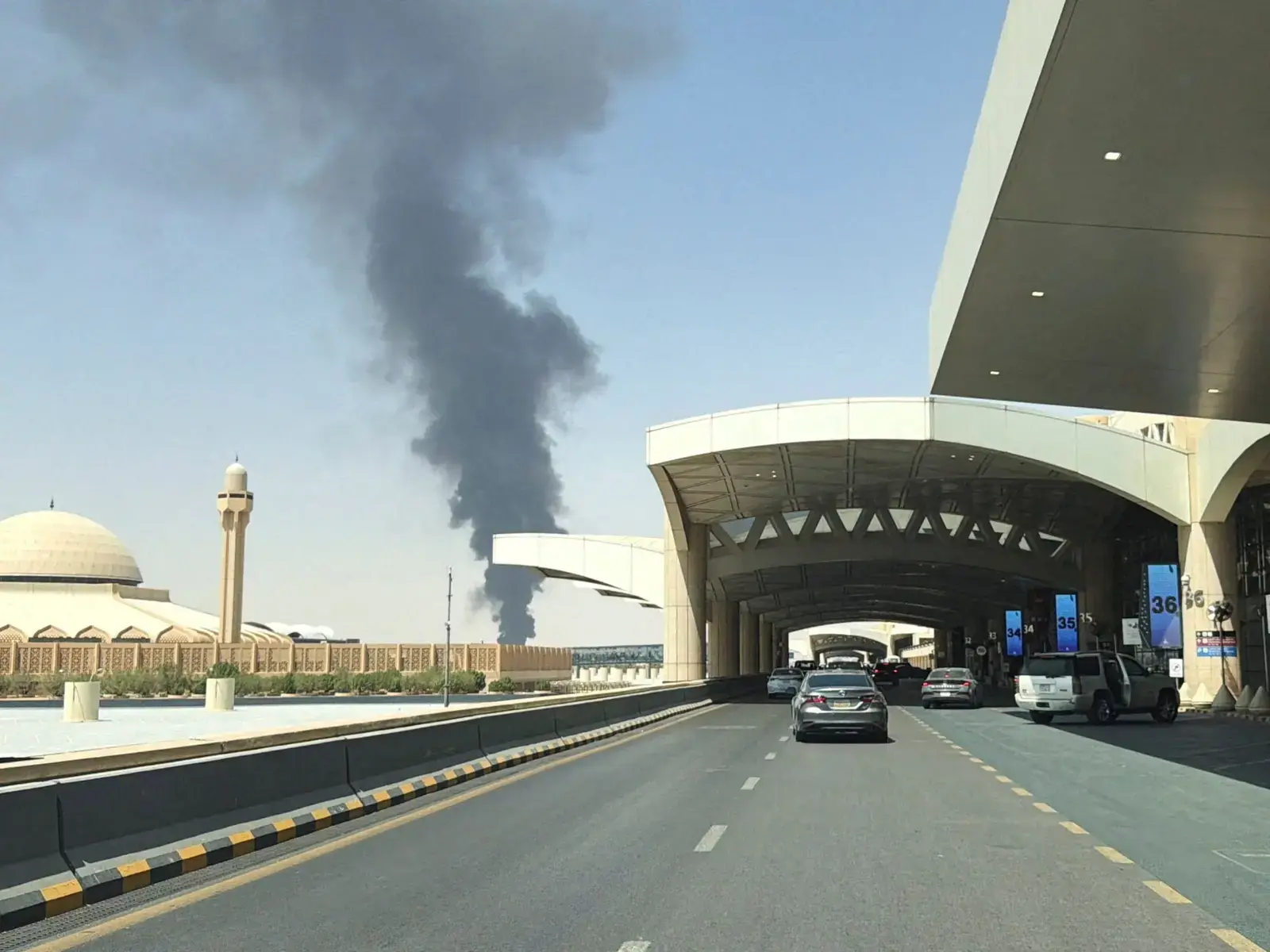 Iran Sets Seven Conditions for US Talks as Saudi Forces Thwart Riyadh Attack
 Former Syrian General Arrested Over Civil War Operations
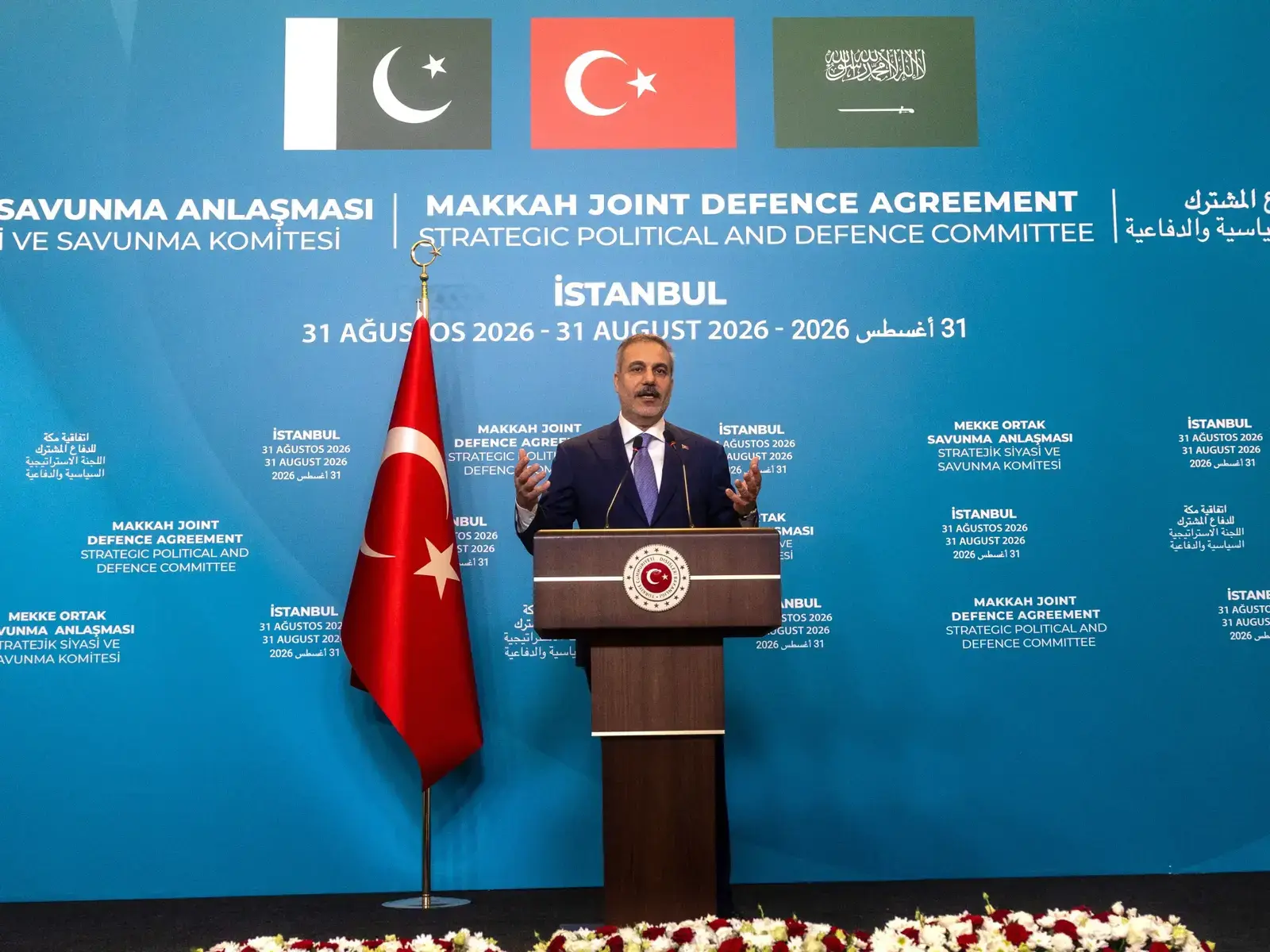 Turkiye pledges military support to Riyadh as Houthi threats rise
Volker emphasized that any direct attack, even a small-scale one, would force NATO to confront whether its deterrence strategy remains credible. How Might Russia Choose Volker outlined possible scenarios, including cyberattacks on critical infrastructure, covert operations targeting military installations, or limited conventional strikes near NATO borders. He explained that Russia might favor deniable tactics to avoid triggering a full collective defense response while still creating uncertainty. The goal, he said, would be to exploit hesitation among member states, especially those wary of direct confrontation. What Would NATO's Response Look Like According to Volker, NATO’s reaction would depend heavily on the scale and attribution of the attack. He stressed that the alliance has strengthened its rapid reaction forces and improved intelligence sharing since 2022, but political consensus remains a challenge.
Volker cautioned that delays or mixed signals could embolden further aggression, while a firm, unified response might deter future tests. Frequently Asked Questions What evidence suggests Russia is planning such a test? Intelligence reports indicate increased Russian military activity near NATO borders and renewed focus on hybrid warfare tactics, though no concrete attack plans have been confirmed publicly. Why would Russia risk a direct confrontation with NATO? Analysts believe Moscow aims to assess NATO’s cohesion and willingness to defend vulnerable members, particularly if it perceives hesitation or internal discord within the alliance. How has NATO prepared for potential direct threats? Since 2022, NATO has deployed additional battlegroups in Eastern Europe, upgraded air defenses, and conducted regular exercises to improve readiness and interoperability among member states.