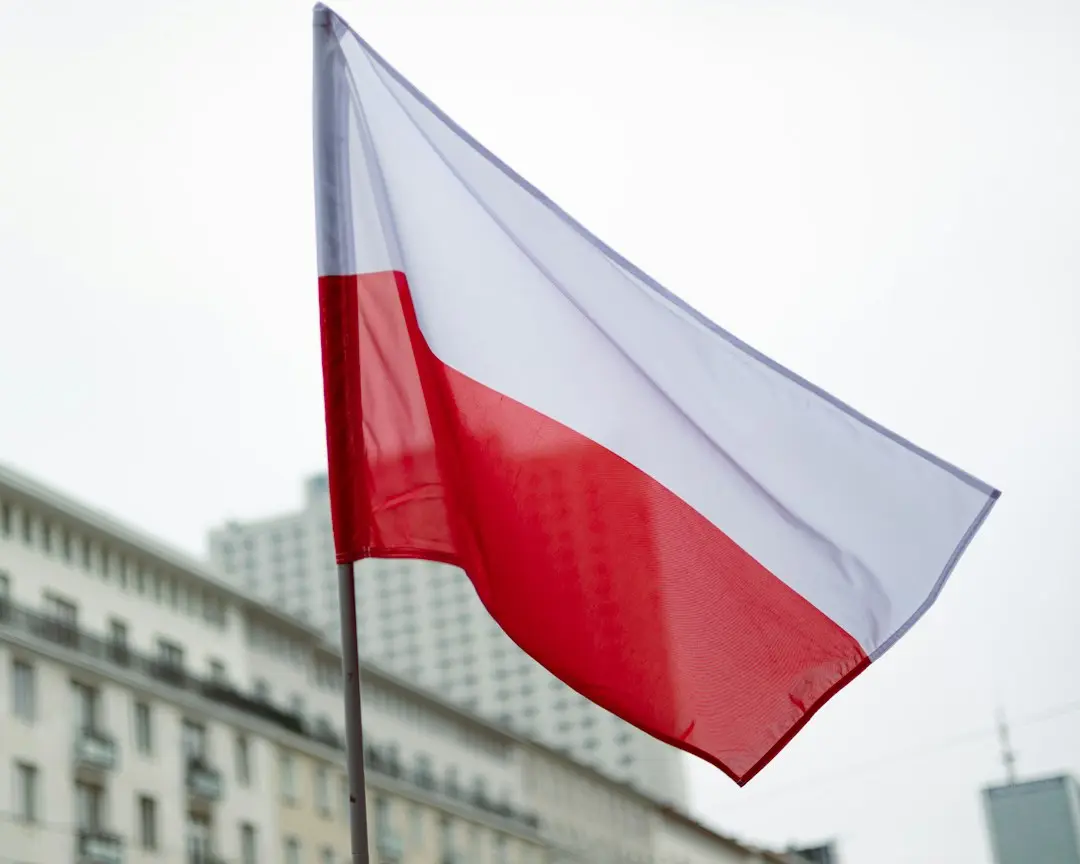
Why Moscow’s Military Might Is Diminishing
Warsaw, 30 Sept 2026 – In a televised interview with Al Jazeera, Poland’s foreign minister Radoslaw Sikorski warned that Moscow does not possess the military strength required to launch a full‑scale invasion of NATO members. Sikorski made the remarks during a press conference in Warsaw, emphasizing that the alliance’s collective defence posture remains a decisive deterrent.
Latest news
 Gaza Residents Face Upcoming Israeli Elections With Deep Concern and Little Hope
 Court Orders White House to Reinstate Media Credentials
 Elif Eralp Aims to Become Berlin's First Turkish‑Origin Mayor
 Pentagon spending hits historic one trillion dollar mark for first time ever
Sikorski’s assessment comes amid heightened tensions on the eastern front, where Russia continues to reinforce its western borders after the prolonged conflict in Ukraine. He argued that Russia’s depleted manpower, aging equipment, and logistical bottlenecks undermine any ambition to breach NATO’s Article 5 commitments. „The Russian armed forces are stretched thin, fighting on multiple fronts, and lack the strategic depth to project power beyond their immediate sphere,” he told Al Jazeera. The minister also highlighted recent NATO exercises that showcased rapid deployment capabilities, reinforcing the alliance’s readiness.
Sikorski pointed to several factors eroding Russia’s offensive potential. First, the war in Ukraine has drained the country’s reserve pools, with estimates suggesting a loss of up to 300,000 combat‑ready troops. Second, sanctions have crippled the defense industry, limiting access to advanced avionics, precision munitions, and spare parts for tanks and aircraft. Third, logistical shortcomings—particularly in fuel supply and transport infrastructure—have hampered Russia’s ability to sustain large‑scale operations far from its borders. „Even if Moscow attempted a surprise thrust, it would quickly run into supply shortages and air superiority gaps,” Sikorski warned.
Could a Limited Russian Incursion Still Threaten NATO?
He also referenced NATO’s recent „Steadfast Defender” drills, where multinational forces simulated defensive scenarios across the Baltic states and Poland. The exercises demonstrated seamless interoperability among member nations, rapid reinforcement timelines, and robust air‑defence networks that would challenge any hostile advance. According to Sikorski, these drills send a clear message: NATO can mobilize within days, rendering a Russian offensive both costly and unlikely to succeed.
While dismissing the prospect of a full invasion, Sikorski acknowledged the risk of smaller, asymmetric actions. He cited recent cyber‑attacks on critical infrastructure and the use of proxy forces in the Black Sea region as examples of Russia’s preferred tactics. „Moscow may resort to hybrid warfare—cyber intrusions, disinformation, or limited artillery strikes—to test NATO’s resolve without committing to a large ground operation,” he said. Such moves could provoke escalation, but they would not constitute a conventional invasion.
Sikorski urged NATO to maintain vigilance, continue joint training, and bolster eastern flank defenses. He called for increased intelligence sharing and reinforced cyber‑defence measures to counter Moscow’s evolving playbook. The minister concluded that a united, proactive alliance remains the best safeguard against any Russian attempt to destabilize the region.
Frequently Asked Questions
What evidence supports Sikorski’s claim that Russia lacks invasion capability? He cited troop depletion, sanctions‑induced equipment shortages, and logistical constraints revealed by recent defense assessments and NATO exercise outcomes.
Is NATO prepared for a possible Russian hybrid attack? NATO has enhanced cyber‑defence protocols, increased intelligence cooperation, and conducted joint drills focused on counter‑hybrid threats, aiming to deter and respond swiftly.
What are the likely next steps for Poland and NATO? Poland will push for continued force modernization, while NATO plans further large‑scale exercises and deeper integration of member defence systems to maintain deterrence.