How weather variability affects renewable reliability
More than half of the electricity generated in the European Union came from renewable sources in the latest reporting period, marking a significant milestone in the bloc’s energy transition. This achievement reflects years of policy support and investment in clean energy infrastructure across member states. However, the share of renewables actually declined compared to the previous year, raising concerns about the consistency of progress despite record solar installations.
Latest news
 Gaza Residents Face Upcoming Israeli Elections With Deep Concern and Little Hope
 Court Orders White House to Reinstate Media Credentials
 Elif Eralp Aims to Become Berlin's First Turkish‑Origin Mayor
 Pentagon spending hits historic one trillion dollar mark for first time ever
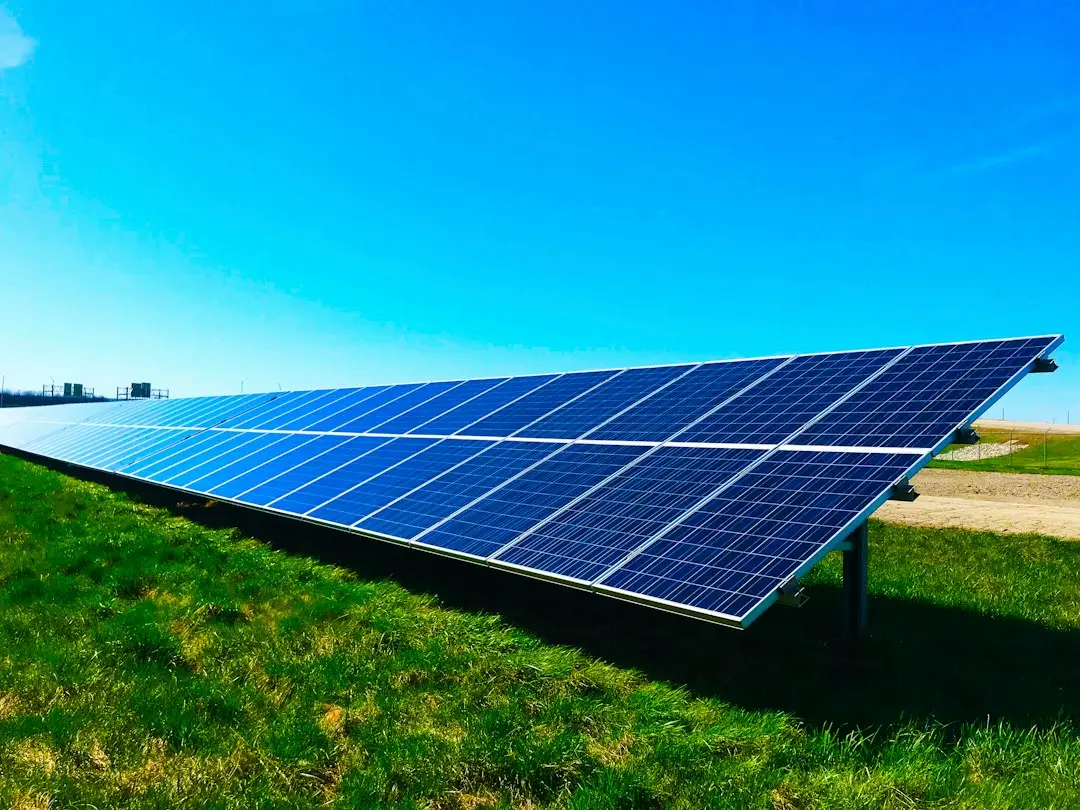
The apparent contradiction stems from a surge in solar power generation, which reached new highs in countries like Spain and Germany, being offset by reduced output from wind and hydropower due to unfavorable weather conditions. Lower wind speeds and drought-affected reservoirs diminished contributions from these traditionally stable renewable sources. As a result, even with solar panels producing more electricity than ever—evident in installations near Milagro, Navarra—the overall renewable share slipped year-on-year.
Can the EU maintain progress without consistent renewable growth?
Climate patterns are increasingly influencing the stability of renewable energy supplies across Europe. While solar photovoltaic systems benefit from longer sunshine hours and falling technology costs, their output remains intermittent and geographically uneven. Wind farms, particularly in the North Sea and Baltic regions, experienced below-average generation during periods of high atmospheric pressure. Hydropower reservoirs in southern Europe saw reduced inflows due to prolonged dry spells, limiting their ability to provide grid balancing. These fluctuations highlight the need for greater diversification within the renewable portfolio and enhanced grid flexibility.
Energy experts warn that relying on sporadic solar booms may not be sufficient to meet long-term climate targets. The European Environment Agency has emphasized that achieving a net-zero power sector by 2040 requires not only expanding capacity but also ensuring consistent year-round generation. Investments in energy storage, cross-border interconnectors, and demand-response systems are seen as critical to smoothing out supply variations. Without such measures, the EU risks falling back on fossil fuels during periods of low renewable output, undermining emissions reduction goals.
Why did renewable electricity share decrease despite more solar panels? Although solar power generation increased, declines in wind and hydroelectric output due to weather conditions pulled down the overall renewable share, resulting in a year-on-year drop.
Frequently Asked Questions
Is solar energy alone enough to secure the EU’s energy transition? No, solar power is variable and cannot consistently meet demand without complementary sources like wind, hydro, storage, or grid management tools to ensure reliability.
What steps is the EU taking to address renewable variability? The EU is expanding grid interconnections, supporting battery and hydrogen storage projects, and reforming electricity markets to better integrate variable renewables and improve system resilience.