Sanchez Aligns Madrid With Critical European Consensus
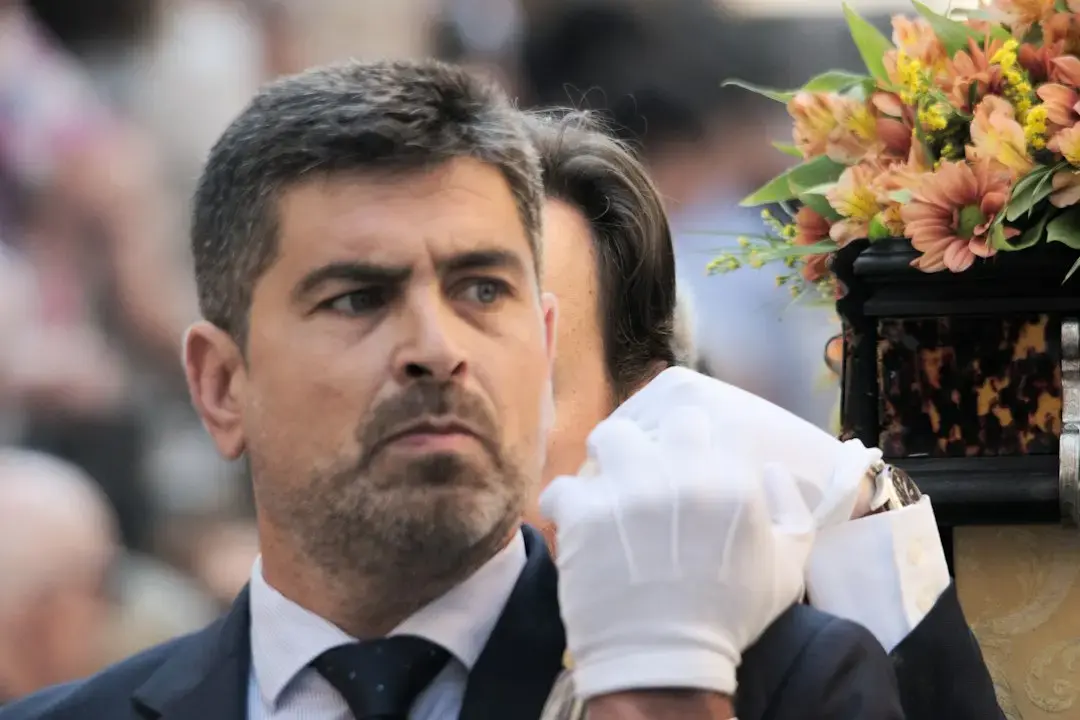
Spanish Prime Minister Pedro Sanchez addressed the United Nations General Assembly to strongly condemn Israel’s actions in Gaza. Speaking on the global stage, Sanchez labeled the ongoing crisis a genocide. He directed specific criticism at Israeli Prime Minister Benjamin Netanyahu. This statement marked a significant moment in international diplomatic discourse regarding the Middle East conflict. The speech highlighted growing European alignment with critical views of the war.
Latest news
 Gaza Residents Face Upcoming Israeli Elections With Deep Concern and Little Hope
 Court Orders White House to Reinstate Media Credentials
 Elif Eralp Aims to Become Berlin's First Turkish‑Origin Mayor
 Pentagon spending hits historic one trillion dollar mark for first time ever
Sanchez stated that Spain unequivocally condemns the genocide currently unfolding in the region. He emphasized that this condemnation remains valid because Netanyahu continues the process. The prime minister used strong language to describe the humanitarian situation. His remarks reflected a broader shift in how Western leaders frame the conflict. By using the term genocide, Sanchez aligned Spain with other nations adopting similar terminology. This approach signals a departure from more neutral diplomatic language often seen in past addresses.
How Does This Rhetoric Influence Diplomatic Leverage?
The Spanish leader’s speech was part of a wider trend among European politicians. Several heads of state have recently adopted stronger rhetoric regarding the war. Sanchez noted that his country supports this unified stance. He argued that silence or ambiguity no longer serves the cause of peace. The address served to reinforce Spain’s position within the European Union. It also demonstrated Madrid’s willingness to take a firm stand on global issues. The timing of the speech coincided with intense debates over ceasefire proposals.
Sanchez’s comments aim to increase pressure on Israel and its allies. By publicly labeling the conflict a genocide, Spain seeks to shape international opinion. This rhetorical strategy can influence voting patterns in various international bodies. It may also affect bilateral relations between Madrid and Jerusalem. Critics argue that such strong language complicates ongoing negotiations. Supporters believe it clarifies the moral stakes involved in the conflict. The speech underscores the evolving nature of diplomatic communication in times of crisis. Leaders are increasingly moving away from cautious phrasing toward definitive statements.
The impact of Sanchez’s address extends beyond the immediate UN session. It sets a tone for future European summits and bilateral meetings. Other nations may feel compelled to adopt similar language in their own speeches. This creates a cascading effect on global diplomatic dynamics. As the conflict persists, the terminology used by world leaders becomes crucial. It shapes public perception and policy decisions across continents. The coming months will reveal whether this rhetorical shift translates into concrete political action.
Frequently Asked Questions
Did Pedro Sanchez use the word genocide in his UN speech? Yes, Sanchez explicitly stated that Spain condemns a genocide in Gaza. He attributed the ongoing situation directly to Prime Minister Netanyahu’s actions.
How does this speech reflect Spain’s broader foreign policy? The address shows Spain aligning with a critical European consensus on the war. It indicates a move toward more assertive diplomatic language regarding the Middle East.