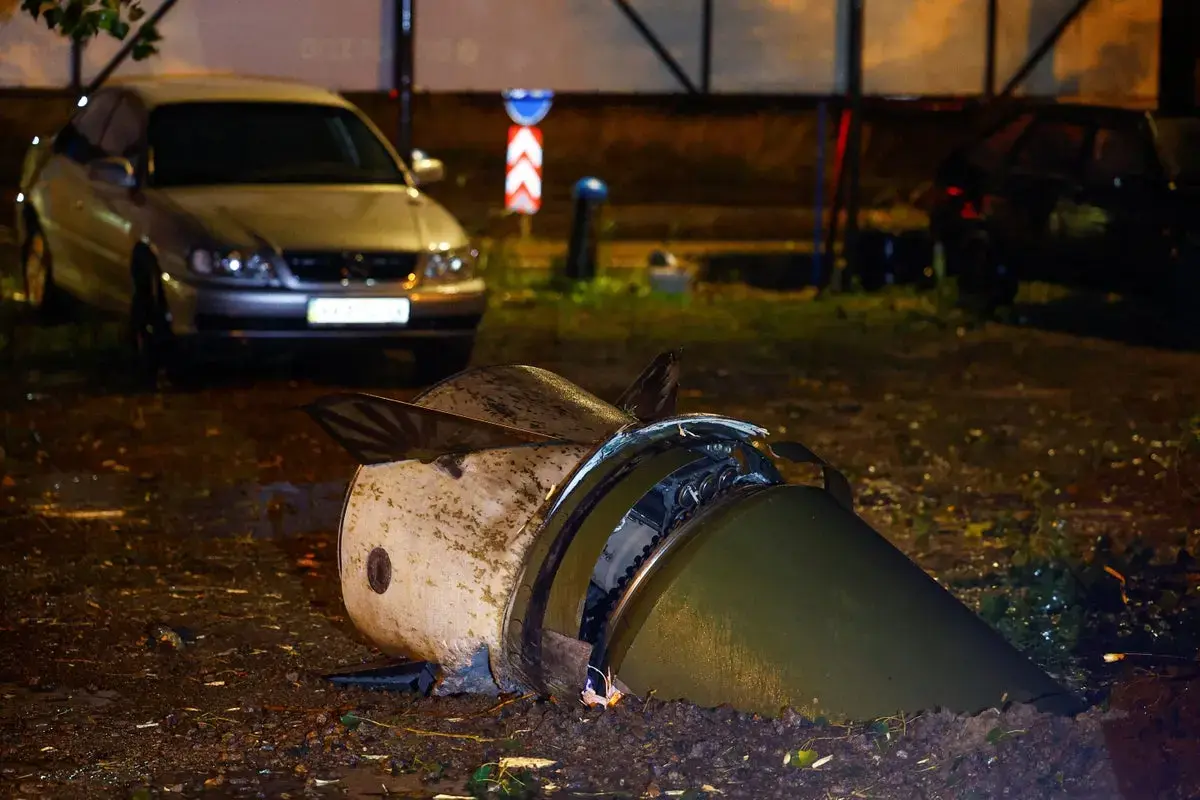
Why Zelensky Is Pushing for an Energy Ceasefire Now
Ukrainian President Volodymyr Zelensky warned against the growing use of artificial intelligence in warfare and urged Russia to agree to an energy ceasefireto protect critical infrastructure. The alert came as NATO activated air defenses along its eastern flank following intensified missile and drone strikes on Ukraine’s capital. The developments unfolded on Thursday, 24 September 2026, marking another escalation in the protracted conflict.
Latest news
 Gaza Residents Face Upcoming Israeli Elections With Deep Concern and Little Hope
 Court Orders White House to Reinstate Media Credentials
 Elif Eralp Aims to Become Berlin's First Turkish‑Origin Mayor
 Pentagon spending hits historic one trillion dollar mark for first time ever
The scramble of NATO fighter jets in Poland and Romania was a direct response to Russian aerial assaults targeting Kyiv’s energy grid and civilian areas. Ukrainian officials reported multiple waves of Iranian-made Shahed drones and cruise missiles launched from Russian-occupied territories, overwhelming local air defenses. Zelensky, speaking via video address, emphasized that AI-driven targeting systems are increasing the precision and lethality of strikes, raising ethical and humanitarian concerns. He called for an immediate halt to attacks on power plants, substations, and transmission lines, framing it as a necessary step to prevent a humanitarian catastrophe during the approaching winter months.
How Is NATO Responding to the Escalation?
Zelensky argued that disabling Ukraine’s energy infrastructure constitutes a violation of international law and amounts to collective punishment of civilians. He noted that over 40% of the country’s power generation capacity has been damaged or destroyed since the war’s escalation in 2022, leaving millions without reliable heating or electricity. The Ukrainian leader urged international partners to pressure Moscow into accepting a temporary cessation of hostilities focused solely on energy facilities, suggesting it could serve as a confidence-building measure. He also reiterated Kyiv’s willingness to engage in diplomacy, provided Russia respects Ukraine’s sovereignty and territorial integrity.
NATO confirmed that its air policing missions were heightened after radar systems detected incoming hostile aircraft near the alliance’s southeastern border. Jets from the United States, United Kingdom, and Romania were placed on heightened alert, ready to intercept any violation of NATO airspace. Officials stressed that the alliance remains defensive in posture but will not hesitate to act if threats materialize. The alliance also announced plans to accelerate the delivery of advanced air defense systems to Ukraine, including additional Patriot and NASAMS batteries, to improve interception rates against drone and missile swarms.
What Are the Risks of AI in Modern Warfare?
Zelensky warned that artificial intelligence is being used to automate target selection, optimize strike timing, and evade detection, making attacks faster and harder to counter. He expressed concern that autonomous systems could reduce human oversight, increasing the likelihood of errors that harm civilians. While Ukraine also employs AI for defensive purposes, such as analyzing satellite imagery and predicting missile trajectories, Zelensky called for global norms to govern its use in conflict. He urged the United Nations to initiate talks on limiting AI-driven weapons, drawing parallels to past treaties on chemical and biological arms.
What triggered the NATO jet scramble in Poland and Romania? The scramble was prompted by Russian missile and drone attacks on Kyiv that approached NATO’s eastern border, activating allied air defense protocols.
Frequently Asked Questions
Why does Zelensky want an energy ceasefire with Russia? He seeks to protect Ukraine’s power grid from further destruction to prevent a winter humanitarian crisis and uphold international norms against targeting civilian infrastructure.
How is AI being used in the Russia-Ukraine war? Both sides use AI for targeting, surveillance, and data analysis, but Zelensky warns its offensive use increases precision strikes and reduces accountability in combat.