
Strengthening Joint Training and Intelligence Sharing
Saudi Arabia’s defence minister, Khalid bin Salman, called UK Defence Secretary Wes Streeting on Wednesday to talk about strategic defence relations and regional developments. The conversation took place over the phone, with bin Salman highlighting the importance of deepening military cooperation between Riyadh and London.
Latest news
 Male Birth Control Pill Nears Reality After Long Wait
 UK 30-Year Government Bond Yields Surge to 6%, Highest Since 1998
 Sanaa Takaichi Tightens Rules for Foreigners Seeking Japanese Permanent Residency
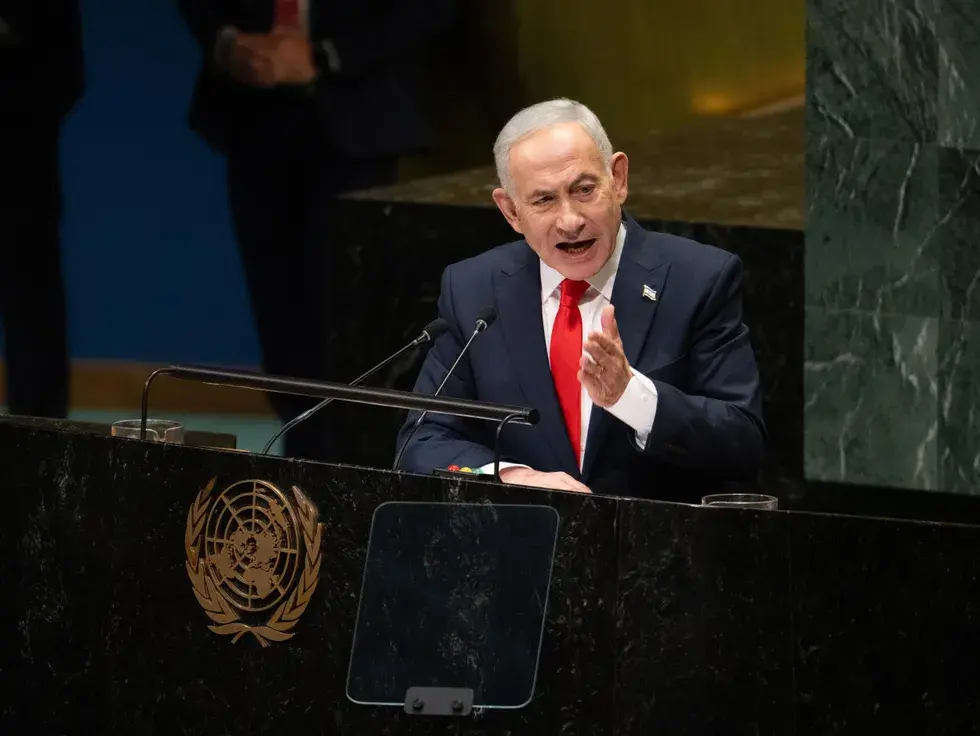 Netanyahu Accuses Erdogan of Seeking Control Over Syria
The discussion came amid heightened tensions in the Middle East and growing concerns over regional security. Bin Salman emphasized the need for coordinated responses to emerging threats, while Streeting expressed interest in expanding joint training exercises and intelligence sharing. Both leaders underscored the role of their partnership in promoting stability across the Gulf and the broader Middle East.
During the call, bin Salman outlined several initiatives aimed at enhancing operational readiness. He mentioned plans to increase the frequency of joint military exercises, particularly in areas such as cyber defence and maritime security. Streeting responded by confirming that the UK would support these efforts, offering access to advanced simulation platforms and intelligence‑gathering assets. The two sides also discussed mechanisms for real‑time information exchange to counter asymmetric threats in the region.
How Will These Ties Affect Regional Dynamics?
The ministers agreed that a robust intelligence framework would be essential for anticipating and mitigating regional flashpoints. They highlighted the need for shared situational awareness, especially concerning maritime routes that are vital for global trade. By aligning their surveillance capabilities, Saudi Arabia and the UK aim to create a more secure environment for commercial shipping lanes.
The strengthening of Saudi‑UK defence ties could reshape power balances in the Gulf. Analysts suggest that increased cooperation may deter potential aggressors by presenting a united front. Moreover, the collaboration could encourage other Gulf states to seek similar partnerships, potentially leading to a broader coalition of Western‑aligned forces in the region.
However, the move also raises questions about the influence of external powers on Middle Eastern security. Critics argue that deeper ties with the UK might provoke backlash from rival states, particularly those aligned with Russia or China. The outcome will depend on how both nations manage diplomatic sensitivities while advancing their strategic objectives.
Frequently Asked Questions
What specific areas of defence cooperation were highlighted? The ministers focused on joint training exercises, cyber and maritime security, and real‑time intelligence sharing to counter asymmetric threats.
How does this partnership align with Saudi Arabia’s broader security strategy? It reinforces Saudi Arabia’s goal of diversifying defence partnerships and enhancing regional stability, complementing existing ties with the United States and other allies.
What impact could this have on regional security? By presenting a coordinated stance, the partnership may deter aggression and encourage other Gulf states to pursue similar alliances, potentially reshaping the security architecture of the Middle East.