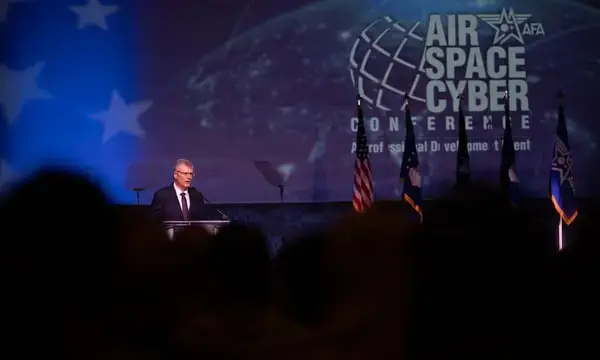
Strategic Implications of Orbital Weaponization
The United States has officially confirmed the deployment of on-orbit space control weapons. This announcement marks a significant shift in global security dynamics. The move suggests that a formal space arms race is now fully underway. Analysts view this development as a critical turning point for orbital stability. The timing of the reveal coincides with heightened tensions among major spacefaring nations.
Latest news
 Wife of US Scholar Detained in China Urges Trump to Address Case During Summit
 Palestinian Man Dies in Israeli Custody After Year of Administrative Detention
 Sweden's Centre-Left Coalition Wins Election as Right-Wing Bloc Narrowly Defeated
 Scotland Suspends Approval of New AI Data Centres Over Environmental Fears
Washington’s decision to place these specific systems into orbit changes the strategic calculus. Previously, space was often treated as a shared commons for exploration and communication. Now, it functions as a contested military domain. The introduction of control weapons implies capabilities beyond simple surveillance or defense. These tools likely allow operators to influence or disable other assets in low Earth orbit. The technology represents a new tier of offensive and defensive space power.
The deployment of on-orbit control weapons signals a departure from traditional norms. Space forces are no longer just about launching satellites or protecting them from debris. They now include active mechanisms for managing or contesting access to specific orbits. This capability can be used to protect friendly assets or threaten rival systems. The precise nature of these weapons remains classified, but their presence is public. Experts note that such systems could alter the balance of power in space. Nations without similar capabilities may feel compelled to accelerate their own programs. This creates a feedback loop where each new deployment triggers a response from competitors. The result is a crowded and increasingly complex orbital environment.
Will the Space Arms Race Accelerate?
The announcement also highlights the growing importance of space in national security strategies. Governments are investing heavily in space-based infrastructure. This includes communication networks, navigation systems, and intelligence platforms. Protecting these assets requires robust defensive measures. Conversely, threatening an opponent’s space assets offers a powerful leverage point. The US move places pressure on other major powers to match its technological lead. Diplomatic efforts to regulate space behavior may face new challenges. Existing treaties might not adequately address modern weaponized systems.
The confirmation of on-orbit weapons raises urgent questions about future conflicts. How will nations respond to this new reality? Many observers expect a rapid expansion of space militaries worldwide. Budgets for space programs are likely to increase significantly. Private sector involvement will probably deepen as companies build specialized hardware. The risk of accidental collisions or intentional confrontations grows with more actors in orbit. Debris management becomes a critical concern for long-term sustainability. If one nation can neutralize another’s satellites, ground-based alternatives become less viable. This dependence on space assets makes them high-value targets. The strategic landscape is shifting from passive observation to active engagement.
The outlook suggests a period of intense competition and innovation. Countries will prioritize speed and agility in their space operations. Testing new technologies will occur more frequently in orbit. International cooperation may struggle to keep pace with unilateral actions. The space security environment is deteriorating as trust erodes between major players. Future incidents in orbit could trigger broader geopolitical reactions. The era of quiet exploration is giving way to a phase of strategic maneuvering. As the US leads this charge, the rest of the world must adapt quickly. The stakes are higher than ever for those who rely on space for daily life and national defense.
Frequently Asked Questions
What did the United States announce regarding space weapons? The US confirmed the deployment of on-orbit space control weapons. This indicates that the country now possesses active systems capable of influencing assets in orbit. The announcement signals that a space arms race is fully underway.
How does this affect other spacefaring nations? Other nations may feel pressured to develop similar capabilities to maintain parity. This could lead to increased spending and faster development cycles for space militaries. The strategic balance of power in space is being reshaped by this move.
When was this development reported? The announcement was made in September 2026. This timing reflects the current state of global security concerns. It highlights the accelerating pace of military integration into space domains.