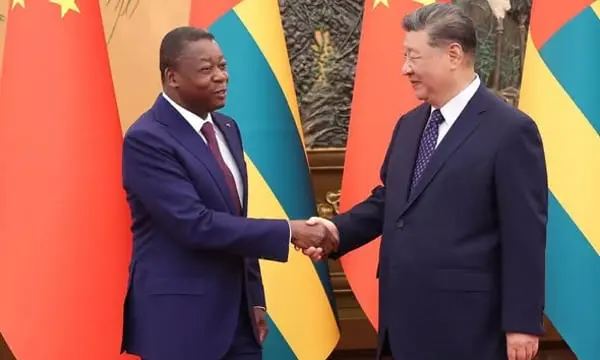
The Battle for the Premiership
Israelis are casting ballots in a critical nationwide election defined by intense debates over national security and democratic institutions. Recent polling indicates a razor-thin margin between longtime leader Benjamin Netanyahu and challenger Gadi Eisenkot. Analysts warn that neither major political faction is expected to secure a decisive parliamentary majority.
Latest news
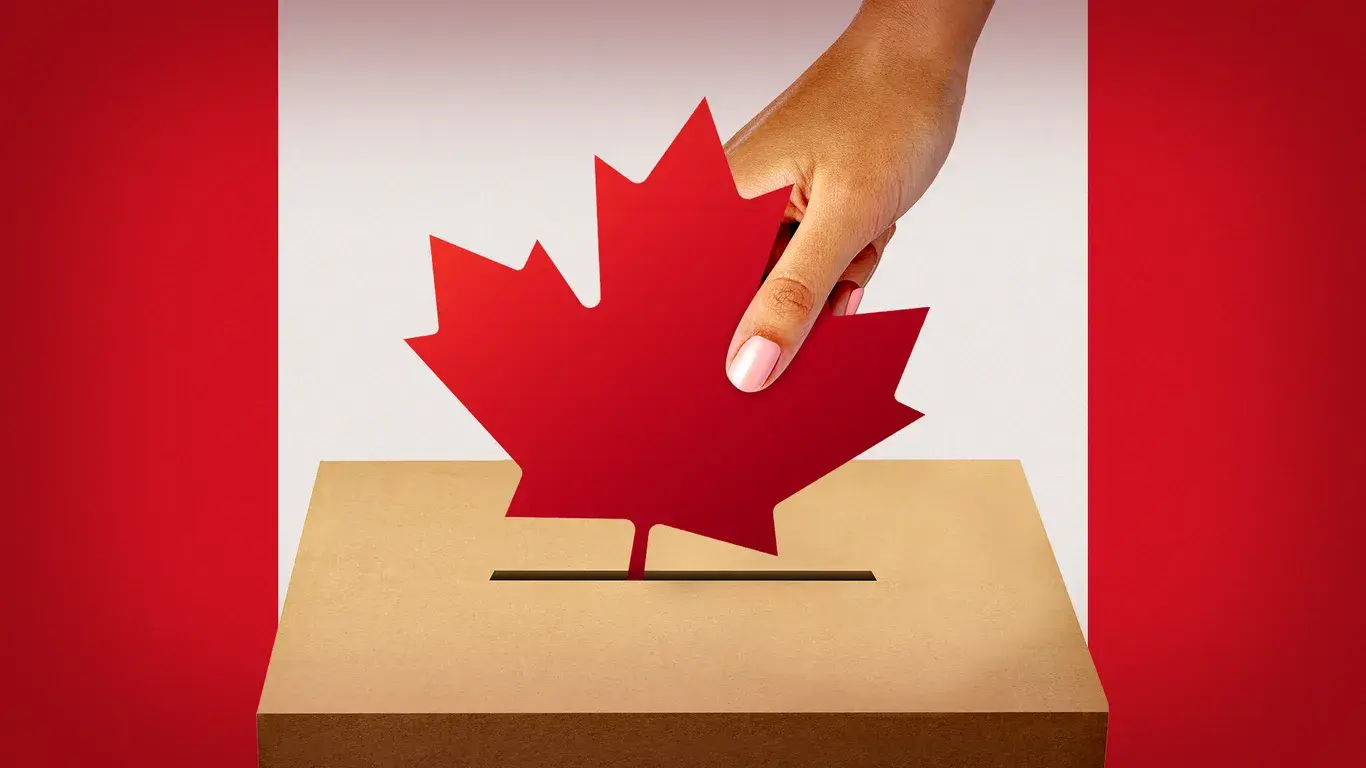 Trump Praises Quebec Separatist Premier Amidst Trade Tensions
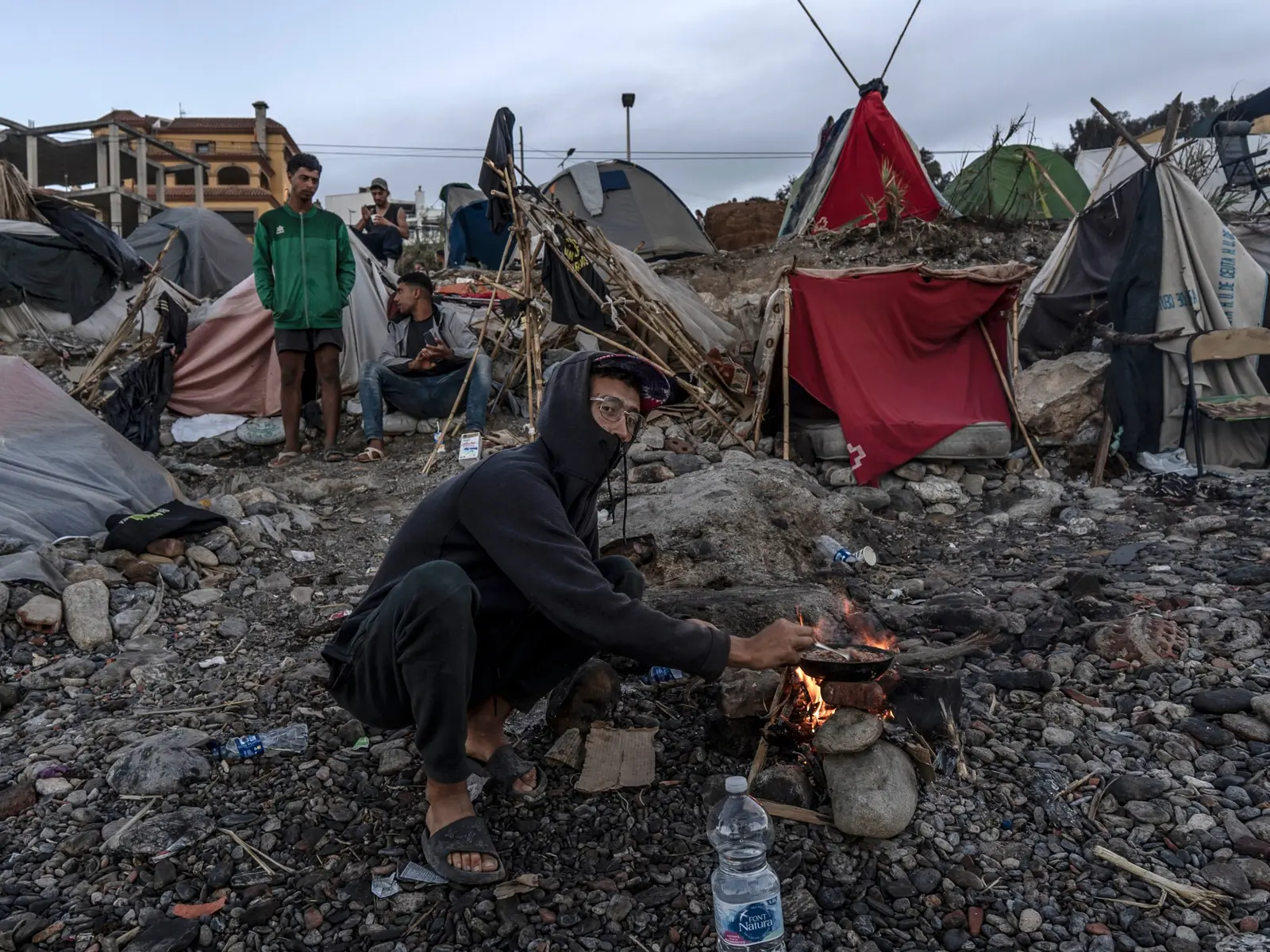 Spain Deports Migrants from Ceuta, Drawing Sharp Criticism from Rights Groups
 Federal Agents Raid Beverly Hills Home Tied to Eric Swalwell Probe
 Oriel College Told to Cancel Nathan Cofnas Event After Jason Arday's Death
The electoral landscape remains deeply fractured as voters weigh leadership options during a period of heightened regional tension. Both primary contenders are locked in a fierce competition to capture undecided voters across the nation. Observers note that systemic political gridlock could persist long after the final ballots are counted.
Netanyahu aims to maintain his grip on power through his established political alliance, facing a formidable challenge from Eisenkot. The former military chief has positioned himself as a unifying alternative for citizens seeking a shift in governance. Public surveys released ahead of voting day highlight the unprecedented volatility of the electorate.
Will Parliament Face Extended Gridlock?
Voters express widespread anxiety regarding the stability of the country's democratic norms and future safety measures. Campaign strategies have heavily focused on military preparedness and the preservation of internal civic institutions. Despite intense mobilization efforts, neither political bloc commands the numbers required for a straightforward coalition.
Political analysts suggest that the projected outcome points directly toward prolonged coalition negotiations or potential repeat elections. The fragmentation within the legislature makes stable governance exceptionally difficult for whichever figure manages to claim victory.
The ultimate formation of the next government hinges on smaller fringe parties holding the balance of power. This dynamic grants minor factions disproportionate influence over crucial national policies and legislative agendas.
Frequently Asked Questions
Who are the main candidates in this election? The incumbent leader Benjamin Netanyahu is running against former military chief Gadi Eisenkot for the prime minister position.
Why is this election considered pivotal? Voters are deeply divided over pressing issues concerning national security and the future health of the nation's democratic institutions.
Are either of the major political blocs expected to win a majority? Current polling indicates that neither major political alliance will secure enough seats to govern without forming complex coalitions.