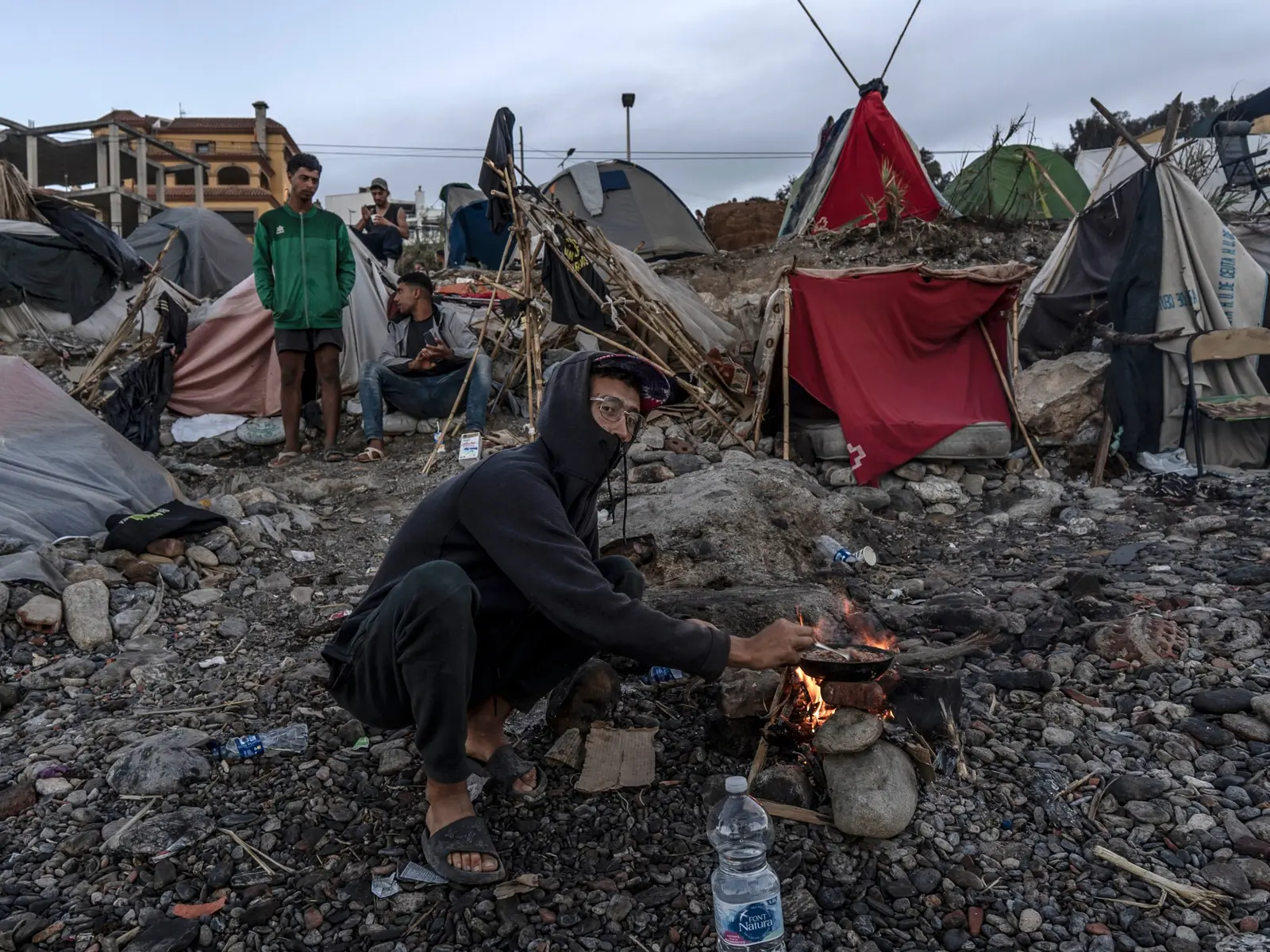
Rights Groups Sound the Alarm
Spain has expelled more than a dozen migrants from its North African enclave of Ceuta. The move followed a large-scale border crossing from Morocco in July. Amnesty International condemned the action, arguing that Prime Minister Pedro Sanchez's left-wing government was putting migrants' human rights at risk.
Latest news
 Israel Faces Political Uncertainty After Tight Election Results
 Projections Show No Clear Winner in Israel's Election
 Israel Faces Political Stalemate Following Latest Election Results
 Trump Praises Quebec Separatist Premier Amidst Trade Tensions
The deportations mark a significant shift in how Spain handles irregular migration at its northern border. Officials stated that the individuals were sent back to Morocco under a bilateral agreement. This was the first time such a large-scale removal had occurred since the July surge.
Amnesty International issued a statement describing the deportations as a violation of the principle of non-refoulement. The organization warned that sending migrants back to Morocco could expose them to detention and poor conditions. Sanchez's government defended the action as necessary to manage the border crisis. They cited security concerns and the need to restore order at the crossing point.
What Comes Next for Ceuta's Migrants
Critics noted the irony of a left-wing government taking a hardline stance. Amnesty argued that the deportations set a dangerous precedent for future migration policy. The group called for individual assessments before any removal.
The immediate consequence is that the deported individuals face an uncertain future in Morocco. Many fear detention or forced labor upon arrival. Spain has not announced a formal policy change, but this incident signals a tougher approach.
Observers expect similar actions at Spain's other North African enclave, Melilla. The government may expand these deportations if border pressure continues. Migrant advocacy groups are preparing legal challenges. They plan to test the legality of the removals in Spanish courts. The outcome will shape how Spain balances border security with human rights obligations.
Frequently Asked Questions
Why did Spain deport migrants from Ceuta? Spain deported them under a bilateral agreement with Morocco. The government cited the need to manage the border after the July crossing surge.
How many migrants were deported? More than a dozen individuals were removed. The exact number was not specified in the initial reports.
What is Amnesty International's main concern? Amnesty warned that the deportations risked violating non-refoulement principles. They argued the government was endangering migrants' human rights by sending them to a country with known detention issues.