How Political Rhetoric Complicates Economic Talks
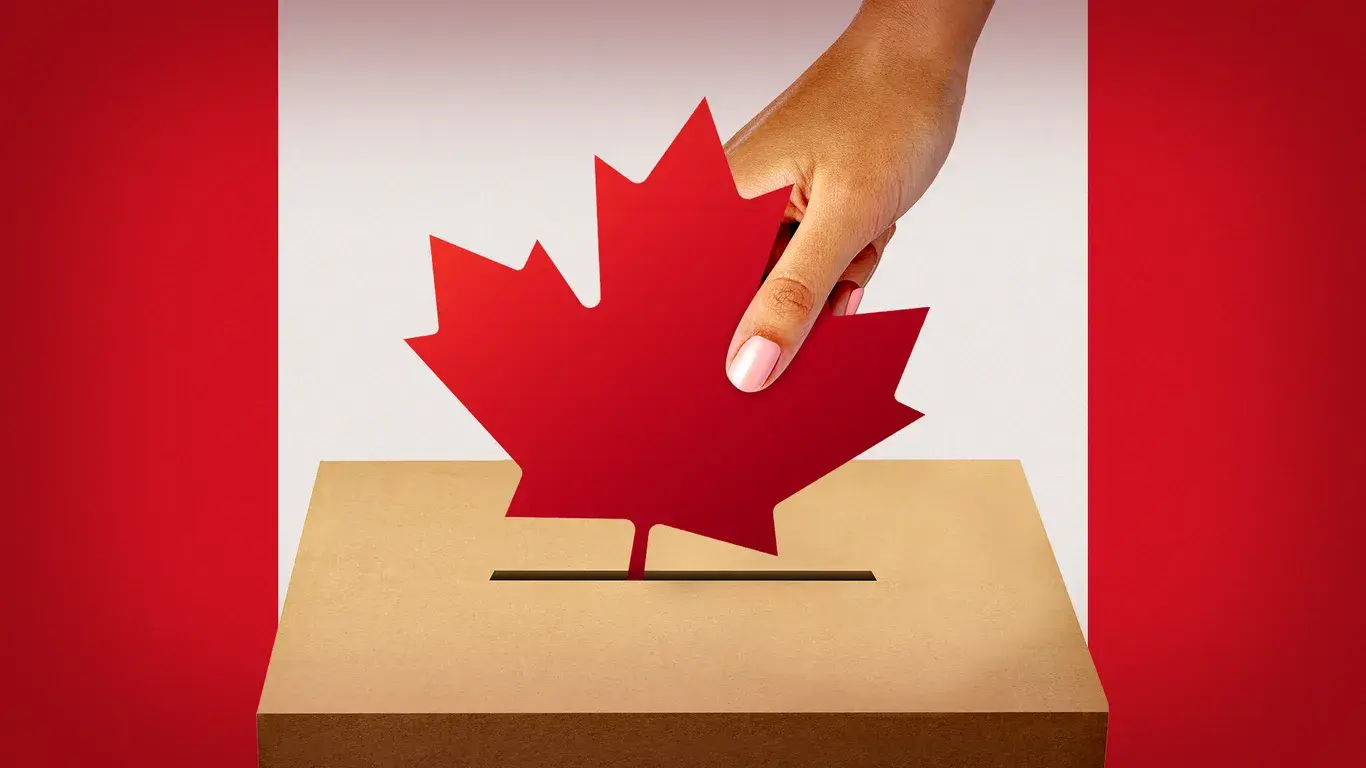
President Donald Trump publicly supported Quebec's new separatist leader on Tuesday. This move came while U. S.-Canada trade negotiations were actively underway. The president used the opportunity to criticize the Canadian federal government. His comments added pressure on Ottawa during sensitive economic talks.
Latest news
 Israel Faces Political Uncertainty After Tight Election Results
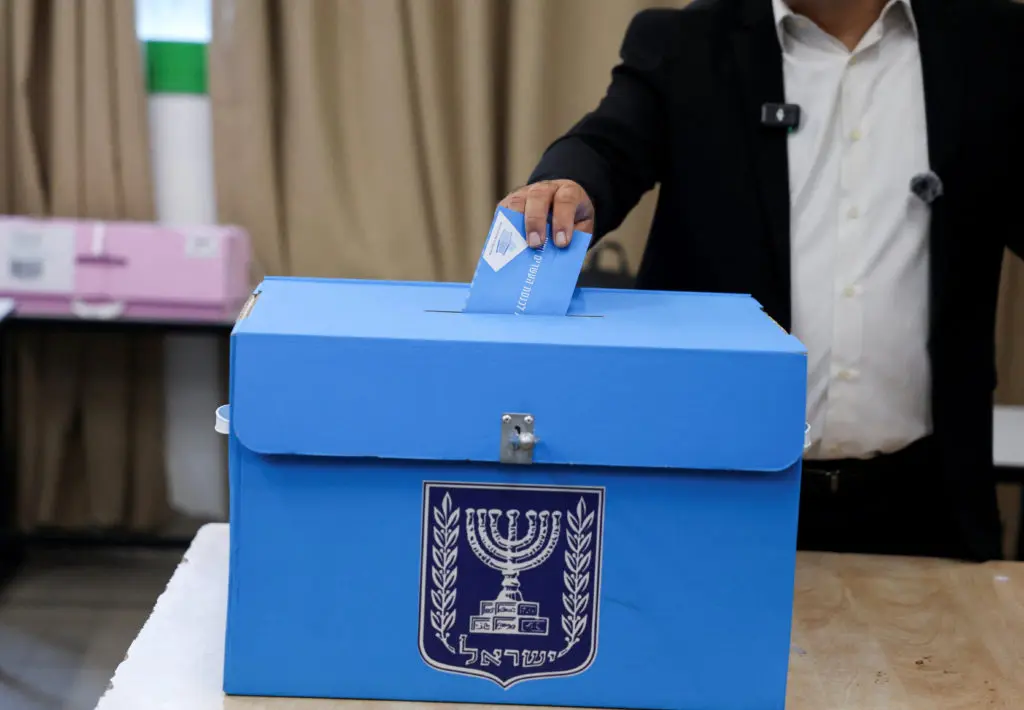 Projections Show No Clear Winner in Israel's Election
 Israel Faces Political Stalemate Following Latest Election Results
 Spain Deports Migrants from Ceuta, Drawing Sharp Criticism from Rights Groups
The U. S. trade team recently signaled that a deal to end the trade war was possible. However, Trump continued to antagonize Canada with his public remarks. This created a mixed signal for negotiators on both sides. The president's support for Quebec separatism highlights the political complexity of the bilateral relationship.
Will Political Tensions Derail the Trade Agreement?
Trump's praise for the Quebec premier serves as a direct jab at the federal government in Ottawa. This political maneuvering occurs while his top economic advisers work behind the scenes to craft a trade agreement. The contrast between public rhetoric and private diplomacy creates uncertainty. Canadian officials must now navigate these political tensions while trying to close a deal.
The timing of Trump's comments raises questions about the stability of the negotiations. If the president continues to fuel regional tensions, it could slow down progress. However, trade deals often survive political friction if both sides have strong economic incentives. The upcoming weeks will test whether economic pragmatism can overcome political posturing.
Frequently Asked Questions
What exactly did Trump say about the Quebec premier? Trump applauded the new separatist premier's stance. He used the moment to criticize Ottawa's handling of the trade dispute.
How does this affect the ongoing trade negotiations? It adds political pressure on Canada, potentially complicating the economic discussions. Negotiators must now manage both the trade terms and the political fallout.