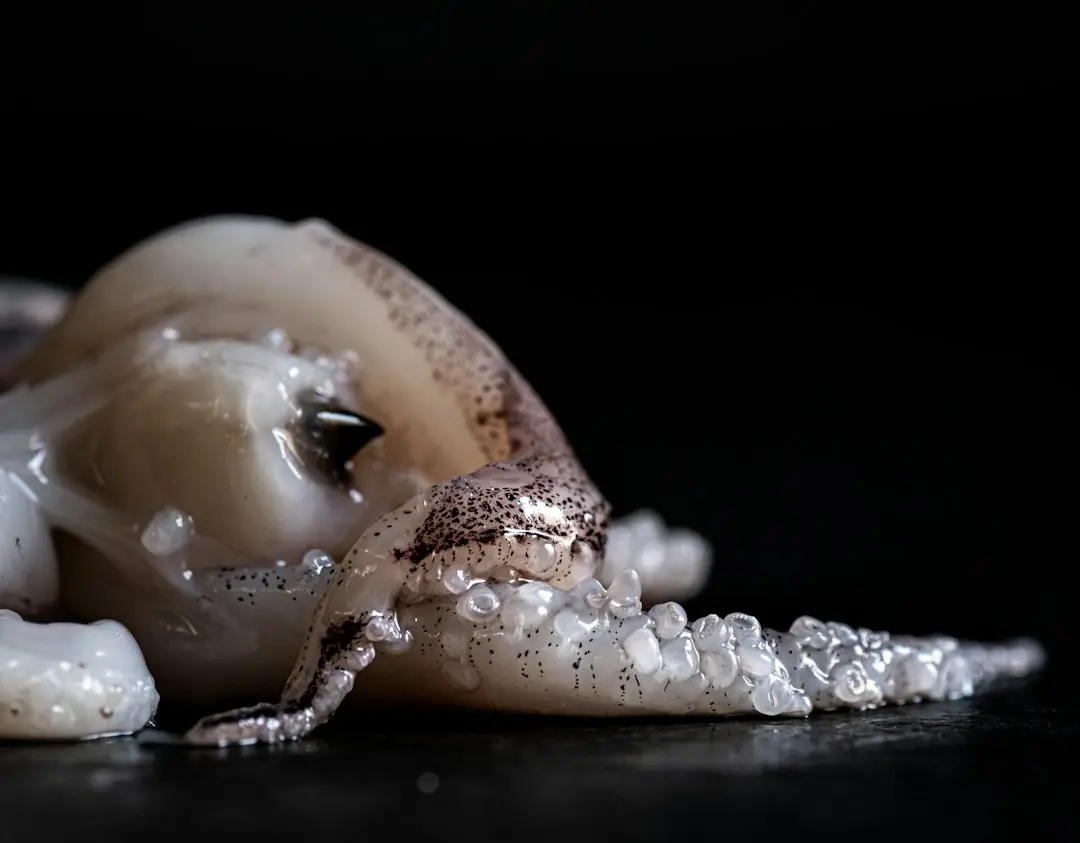
How Do Squid Use These Skin Hair Cells?
Scientists have discovered that the skin of a squid hatchling is covered in specialized cells that closely resemble the hair cells found inside the human ear. Using light-sheet microscopy, researchers imaged the tiny creature to highlight these sensory structures, which were previously unknown in cephalopod skin. The finding, published in Current Biology on October 11, 2026, suggests a surprising evolutionary link between marine invertebrates and vertebrate hearing mechanisms. The study was led by a team including Wang and colleagues, who observed the cells during routine imaging of juvenile squid development.
Latest news
 Polish Authorities Investigate Threat Against Prime Minister
 Airstrikes reported at Sanaa International Airport in Yemen
 Factory Workers Turn Against Republicans Over Tariff Job Losses
 Brazilian President Lula Accuses Meta of Election Interference
These hair-like cells in squid skin are structurally and functionally similar to those in the mammalian inner ear, which detect sound and motion. In squid, they may serve as sensory receptors for detecting water movement, vibrations, or chemical changes in their environment. The use of light-sheet microscopy allowed scientists to visualize the cells in three dimensions without damaging the delicate specimen. This technique captures thin optical slices of the sample, building a detailed internal map. The discovery challenges assumptions about where such complex sensory cells can evolve, showing they are not exclusive to vertebrates.
Could This Change How We Study Sensory Evolution?
Researchers believe the hair cells on squid skin help the animals sense predators, prey, or changes in ocean currents. Unlike human ear cells, which are enclosed in fluid-filled chambers, these cells are exposed on the skin surface, possibly allowing direct interaction with the environment. Experiments showed that when the water around the squid moved, electrical signals were triggered in the cells, indicating a sensory response. This suggests the skin may act as an extended hearing or touch organ, especially important for nocturnal or deep-sea species with limited visibility.
The presence of vertebrate-like hair cells in an invertebrate like the squid raises questions about whether such structures evolved independently or were inherited from a distant common ancestor. If the latter, it would mean sensory mechanisms thought to be vertebrate innovations appeared much earlier in evolutionary history than previously believed. Scientists now plan to compare the genetic pathways involved in developing these cells across species. Understanding this could reveal deep connections in how animals perceive their world, regardless of body plan.
Are these squid skin cells actually used for hearing? While they resemble ear hair cells, their exact function is still under study, but evidence points to detecting water movement and vibrations, which is a form of mechanosensing similar to hearing.
Frequently Asked Questions
Could this discovery inspire new technology? Yes, studying how these biological sensors work might inform the design of more sensitive underwater microphones or motion detectors, mimicking nature’s solutions.
Is this feature found in all squid or just hatchlings? The cells were observed in hatchlings, but researchers suspect they may persist in adults or vary across species, requiring further investigation.