Legal Tension Between Campus Policy and Free Expression
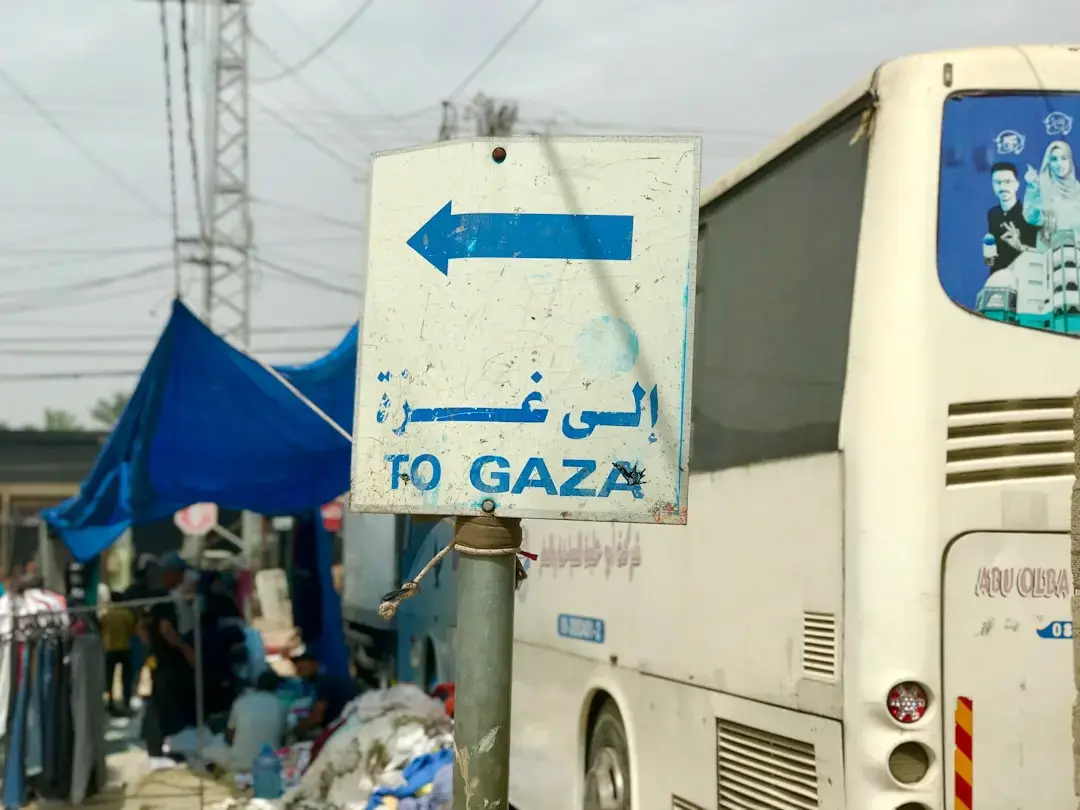
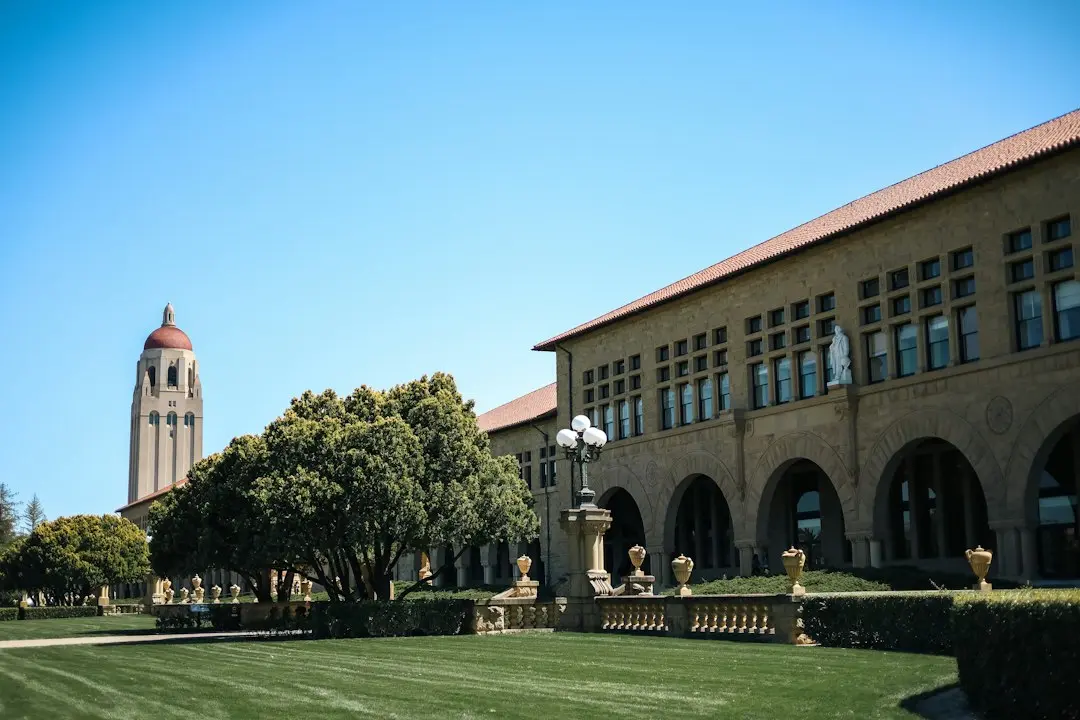
In April 2024, a group of Stanford University students erected a pro‑Palestinian encampment on campus. Authorities initially threatened them with criminal charges, possible jail time, and restitution of thousands of dollars. By late June, prosecutors announced that all accusations had been withdrawn, clearing the students of any legal liability.
Latest news
 Trump Rebrands AI as 'Hoax' in Social Media Tirade Against Critics
 Representative Don Beyer Vows to Halt Trump's Proposed Triumphal Arch in Washington
 China and U.S. Leaders to Discuss AI Safety Amid Growing Rivalry
 Protesters Block Elbit Systems Factory in Staffordshire Over Arms Supply to Israel
The encampment, set up in a central quad, was intended to draw attention to the humanitarian crisis in Gaza and to protest the university’s handling of related student activism. Campus police responded quickly, citing violations of university policy and local ordinances. The students were cited for trespassing and alleged property damage, and the university threatened to seek restitution for cleanup costs. Legal experts noted that the potential penalties, including up to six months in jail, were unusually severe for a peaceful demonstration. Student leaders argued the protest was a protected form of speech, while university officials emphasized the need to maintain order and safety.
The case highlighted a growing clash between university regulations and student activism nationwide. Stanford’s administration argued that the encampment disrupted academic activities and posed safety risks, justifying a strong response. In contrast, civil‑rights groups warned that the threat of criminal prosecution could chill free expression on campuses. „When universities start treating peaceful protest as a criminal matter, they undermine the very principles of academic freedom,” said a spokesperson for the American Civil Liberties Union’s campus division. The withdrawal of charges came after intense negotiations, a public outcry, and a review by the district attorney’s office, which concluded that the evidence did not support the severe penalties initially proposed.
Why Did Prosecutors Reverse Their Decision?
Prosecutors cited insufficient evidence of intentional wrongdoing and the high likelihood of a protracted legal battle as reasons for dropping the case. They also referenced a broader trend of courts rejecting overly punitive measures against student protesters. The decision was welcomed by student groups, who viewed it as a vindication of their right to demonstrate. „We’re relieved that justice prevailed, but the ordeal showed how quickly authorities can weaponize the legal system against dissent,” said Maya Patel, a senior who helped organize the encampment. The university, while acknowledging the legal outcome, reiterated its commitment to reviewing protest policies to prevent future disruptions.
The episode may reshape how universities handle on‑campus protests. Stanford announced plans to convene a task force of faculty, administrators, and student representatives to draft clearer guidelines that balance safety with free speech. Observers predict that other institutions will watch closely, potentially adjusting their own disciplinary frameworks. The incident also underscores the importance of legal counsel for student activists, who now have a precedent for challenging aggressive prosecutorial tactics.
Frequently Asked Questions
What were the original charges against the students? They faced misdemeanor trespassing, vandalism, and a claim for restitution of cleaning costs, which could have resulted in up to six months in jail and several thousand dollars in fines.
How did the university respond after the charges were dropped? Stanford said it would review its protest policies and form a task force to create clearer rules, emphasizing a commitment to both campus safety and protected speech.
Will this case affect future student protests at other universities? Legal experts believe the withdrawal sets a precedent that may deter other schools from pursuing criminal charges for peaceful demonstrations, encouraging more dialogue-based resolutions.