Loyalist Groups Decry Police Action as Suppression
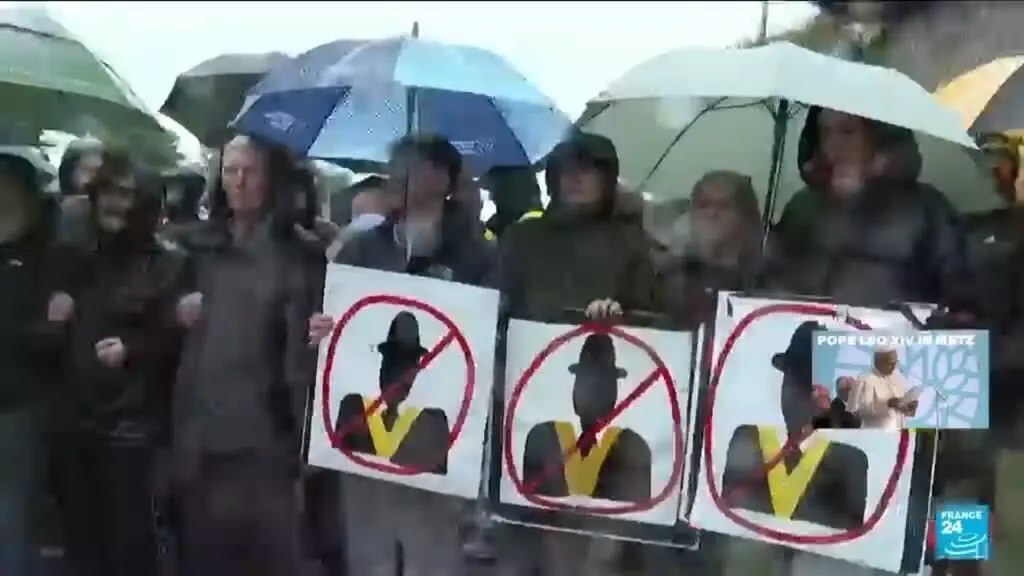
A protest march slated for Sunday in Belfast’s contentious Bogside district was halted by police, sparking fresh unrest in Northern Ireland. The demonstration, organized by a loyalist group, aimed to commemorate a disputed historical event and was scheduled to pass through the heart of a nationalist stronghold. Police intervened at the last minute, citing security concerns, and the crowd dispersed amid heated exchanges.
Latest news
 Why Diesel Prices Are Rising and What It Means for Europe
 Impact of Fossil‑Fuel Lobbying on U.S. Academic Freedom
 Serbian President Aleksandar Vucic Resigns as Prime Minister
 Macron Calls for Renewed European Courage Amid Pope’s Metz Visit
The decision to stop the march came after weeks of warnings from community leaders and security officials who feared the route would reignite old sectarian wounds. The Bogside, long remembered as the flashpoint of the 1969 riots, remains a symbol of division between unionist and nationalist communities. Organizers claimed the ban infringed on their right to peaceful assembly, while local residents argued the procession would provoke violence. Police deployed additional officers and riot gear, and several arrests were made as tensions boiled over.
Loyalist representatives condemned the police move, describing it as a politically motivated attempt to silence unionist voices. „We have a legal right to march and remember our history,” said a spokesperson for the Ulster Defence Association. They accused the authorities of favoring nationalist narratives and warned of further protests if restrictions continue. In contrast, nationalist leaders welcomed the decision, emphasizing the need to protect the community from potential clashes. „The Bogside has suffered enough; we cannot allow provocations that risk lives,” said a Sinn Féin councilor. Data from the Police Service of Northern Ireland (PSNI) shows a 15% rise in sectarian incidents over the past month, underscoring the fragile peace.
Could This Incident Ignite Wider Sectarian Violence?
Analysts warn that the blockage could act as a catalyst for broader unrest if not managed carefully. Dr. Fiona McAllister, a conflict studies professor, noted that „any perceived injustice can quickly inflame dormant grievances, especially in areas with a history of violence.” She highlighted that similar flashpoints have previously led to street battles and retaliatory attacks. Community groups are now calling for dialogue, urging both sides to step back from confrontational postures. The PSNI has pledged increased patrols and a review of the march’s permit process to prevent future flashpoints.
The fallout from the halted parade may reverberate beyond Belfast, influencing political negotiations on power-sharing and community relations. If tensions continue to rise, officials risk facing renewed pressure to address underlying sectarian divisions. Stakeholders hope that calm can be restored through sustained engagement and respect for shared spaces, but the episode underscores how fragile peace remains in the region.
Frequently Asked Questions
Why was the march blocked? Police halted the procession because intelligence indicated a high risk of violent clashes along the planned route through the Bogside, a historically sensitive area.
What are the immediate security measures? The PSNI has deployed additional officers, set up checkpoints, and increased surveillance in Belfast’s troubled neighborhoods to deter potential unrest.
How might this affect future parades? Authorities may tighten permit criteria and require alternative routes for contentious marches, aiming to balance free expression with public safety.