
Reassessing Nuclear Deterrence
The United States' nuclear umbrella has long protected its allies from nuclear threats, but this security blanket is showing signs of fraying. Allies such as Japan and South Korea have grown increasingly uneasy about the reliability of US extended deterrence. This unease stems from a combination of factors, including rising nuclear threats from North Korea and China.
Latest news
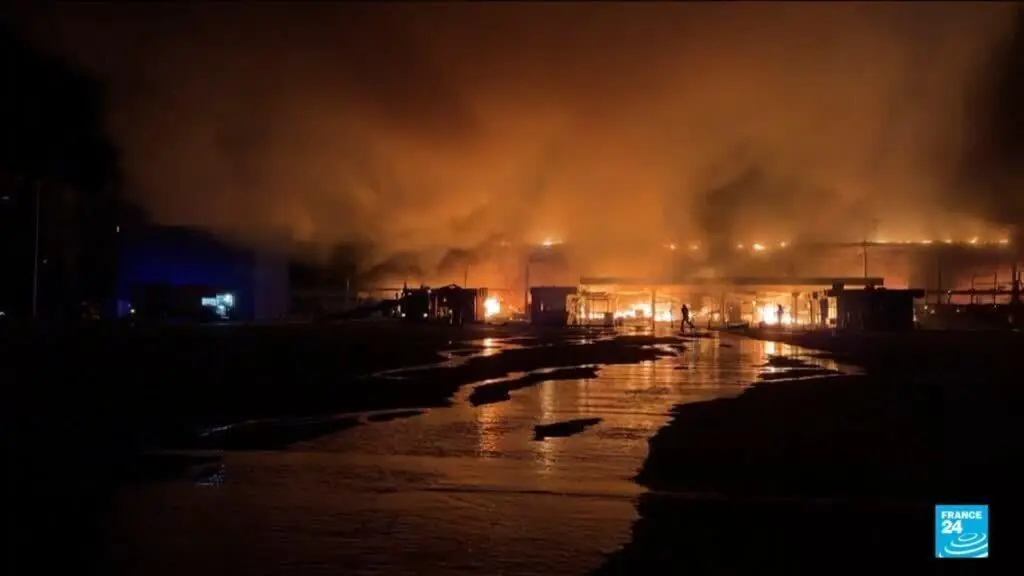 Ukraine Strikes Persist While Russian Polling Stations Open for Election
 Macron Calls French Party Leaders Together as Energy Costs Surge Amid Iran and Ukraine Conflicts
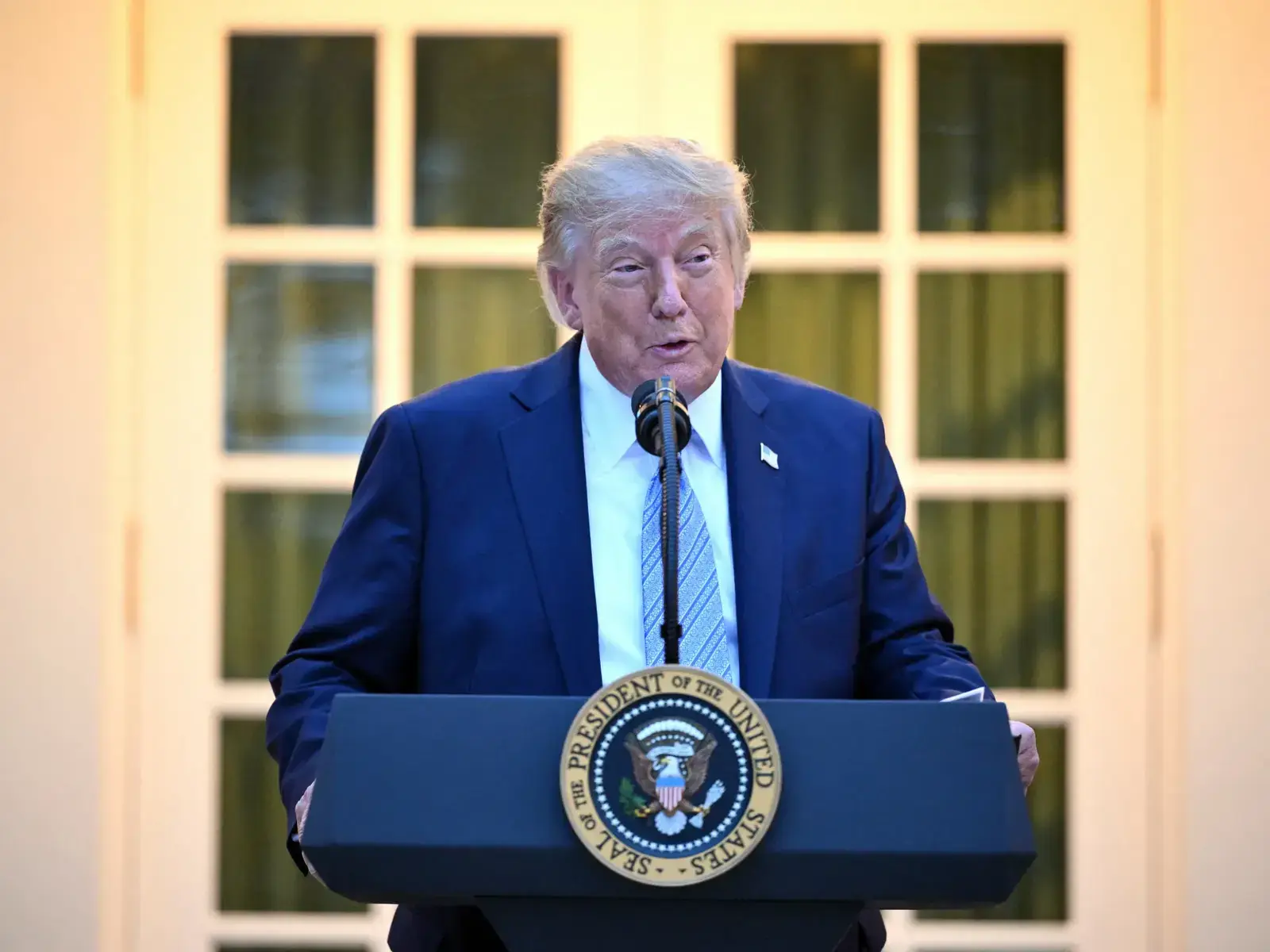 US Voters Oppose War on Iran, 71% Say Trump Administration Lacks Strategy
 French President Warns of Rising Russian Hybrid Threats to Europe
Jennifer Lind and Daryl G. Press argue that the US nuclear umbrella is no longer sufficient to alleviate the concerns of its allies. The authors contend that the US must rethink its approach to extended deterrence, as the current strategy is based on outdated assumptions about the nuclear landscape. They suggest that the US should consider alternative approaches, such as providing allies with greater insight into its nuclear planning.
Can Allies Go It Alone?
One potential consequence of a broken nuclear umbrella is that allies may choose to develop their own nuclear capabilities. Lind and Press note that this could lead to a destabilization of the region, as new nuclear powers may not adhere to the same norms and standards as established nuclear states. The authors warn that this could have far-reaching consequences for regional and global security.
The erosion of the US nuclear umbrella has significant implications for regional stability and global security. As the nuclear landscape continues to evolve, the US must adapt its approach to extended deterrence to reassure its allies and prevent the proliferation of nuclear weapons.
What is extended deterrence? Extended deterrence refers to the US nuclear umbrella, which aims to deter nuclear attacks on its allies. It involves a range of measures, including nuclear planning and military cooperation.
Frequently Asked Questions
Will allies develop their own nuclear weapons? It's possible, but not inevitable. The decision to develop nuclear capabilities will depend on a range of factors, including the perceived reliability of the US nuclear umbrella.
Can the US restore its nuclear umbrella? Restoring the US nuclear umbrella will require a fundamental rethink of its approach to extended deterrence, including greater transparency and cooperation with its allies. This may involve providing allies with greater insight into its nuclear planning and strategy.