
Legal Standoff Over Funding Authority
The DC Circuit Court of Appeals issued a ruling on August 7, 2026, halting work on the White House’s proposed Trump ballroom. The decision demands congressional approval before any further construction can proceed. The order follows a lawsuit filed by several members of Congress who argue the project lacks proper funding authorization.
Latest news
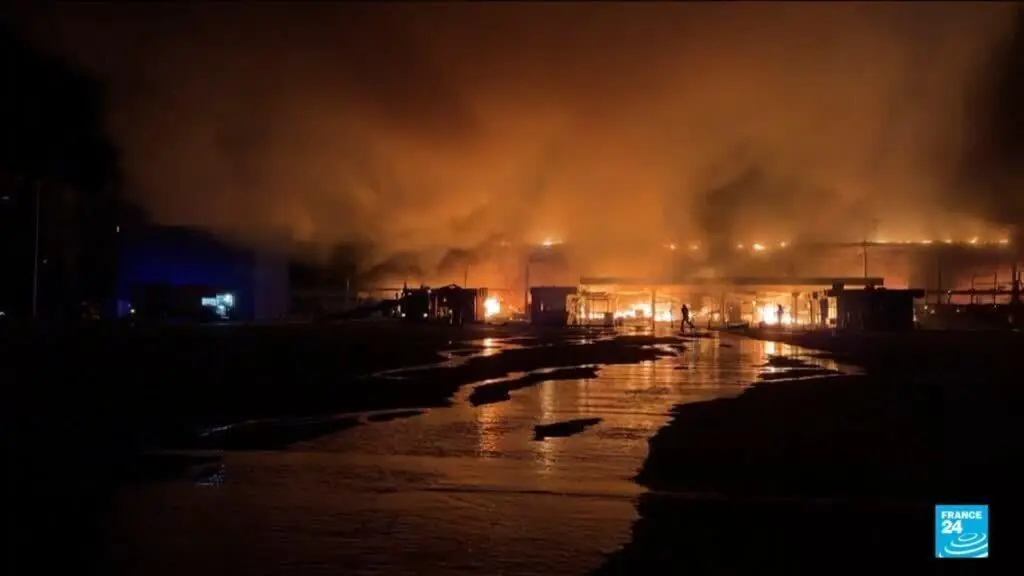 Ukraine Strikes Persist While Russian Polling Stations Open for Election
 Macron Calls French Party Leaders Together as Energy Costs Surge Amid Iran and Ukraine Conflicts
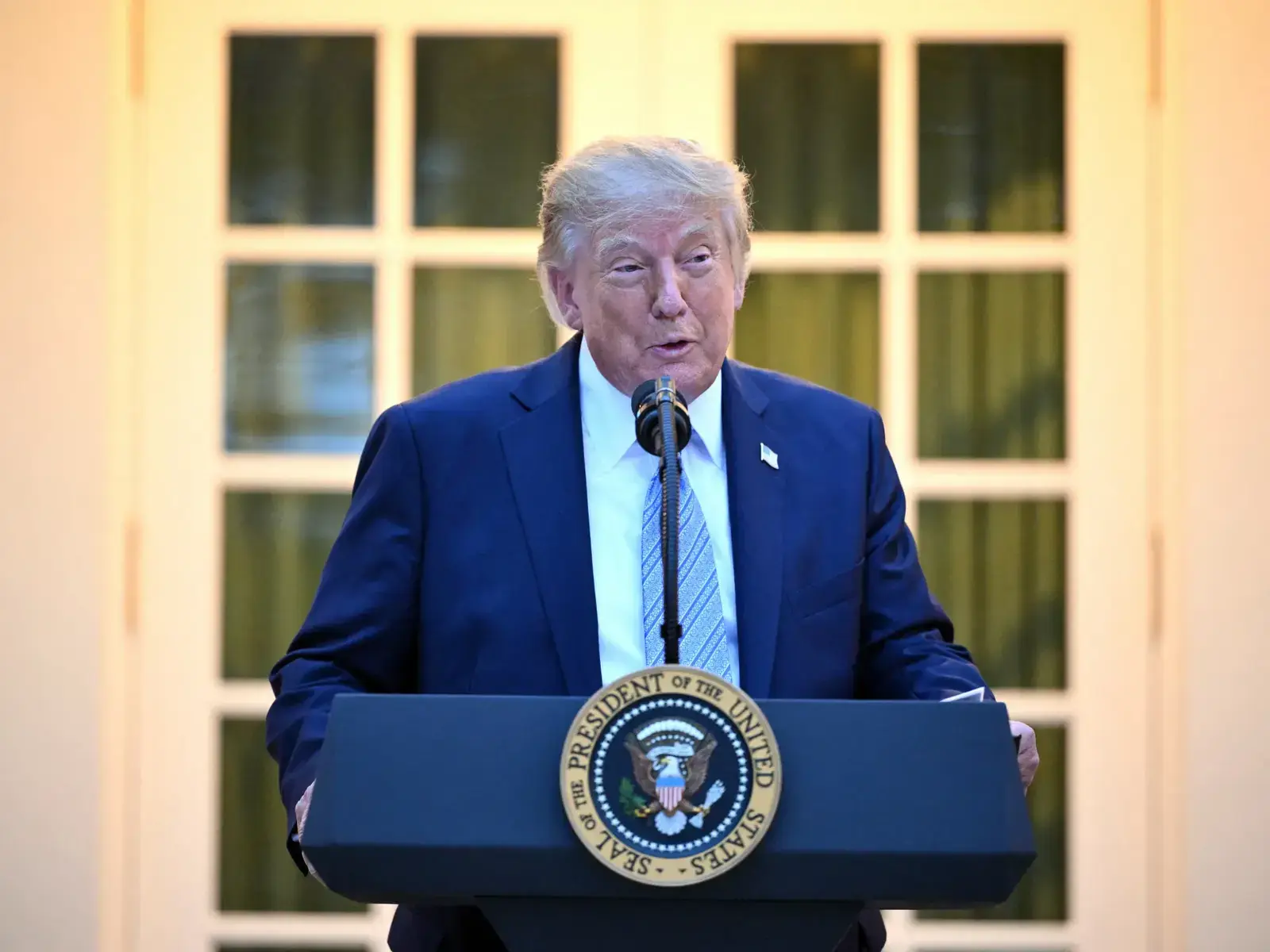 US Voters Oppose War on Iran, 71% Say Trump Administration Lacks Strategy
 French President Warns of Rising Russian Hybrid Threats to Europe
The court’s injunction came after a federal lawsuit claimed the executive branch overstepped its budgetary powers. Plaintiffs contend that the $30 million earmarked for the ballroom was not authorized by Congress, violating the Constitution’s appropriation clause. The administration had already begun work on the site, adjacent to the existing helipad, citing national security and diplomatic needs. Judges now require a formal congressional vote before any more concrete is poured.
Judge Elena Ramirez wrote that „the executive cannot unilaterally allocate funds for a private-use facility without explicit legislative endorsement.” The ruling emphasizes the separation of powers, reminding the White House that even high‑profile projects must respect the budgetary process. Legal analysts note that this case could set a precedent for future disputes over presidential spending initiatives.
Will the Ballroom Ever Be Built?
Congressional leaders have responded with sharp criticism, accusing the administration of „turning the White House into a personal clubhouse.” Some Republicans argue the ballroom will boost diplomatic events and generate revenue, while Democrats see it as a misuse of taxpayer money. The administration, meanwhile, has pledged to comply with the court’s order while seeking a fast‑track vote in the House and Senate.
The future of the Trump ballroom now hinges on legislative action. If Congress approves the funding, construction could resume within weeks, as contractors have already mobilized equipment on the site. However, political gridlock could stall the project indefinitely, leaving the partially excavated space unused. Critics warn that the delay may increase costs, while supporters argue the pause ensures fiscal responsibility.
The ruling also raises broader questions about executive authority in infrastructure projects. Observers suggest the decision may embolden lawmakers to challenge other presidential initiatives lacking clear budgetary backing. For now, the White House’s plans remain on hold, and the unfinished foundation stands as a reminder of the ongoing power struggle.
Frequently Asked Questions
What legal basis did the court use to halt the construction? The judges cited the Constitution’s appropriation clause, which requires Congress to authorize any federal spending, and found the executive’s allocation of $30 million unlawful.
Can the administration appeal the decision? Yes, the administration can petition a higher court for a stay, but any appeal would still need to address the underlying constitutional issue of funding authority.
What impact does the halt have on the White House’s schedule? The pause delays planned diplomatic events that were to be hosted in the ballroom, and it may increase overall project costs due to idle labor and equipment.