
The Danger of High-Tech Reliance
In May 1915, British forces suffered over eleven thousand casualties during a failed assault in Aubers, France, triggered by a critical shortage of high-explosive artillery shells needed for trench warfare. This historical catastrophe, known as the Shell Crisis, highlights a persistent vulnerability that continues to affect modern military powers today.
Latest news
 Turkey Implements Strict Social Media Ban for Children Under Fifteen
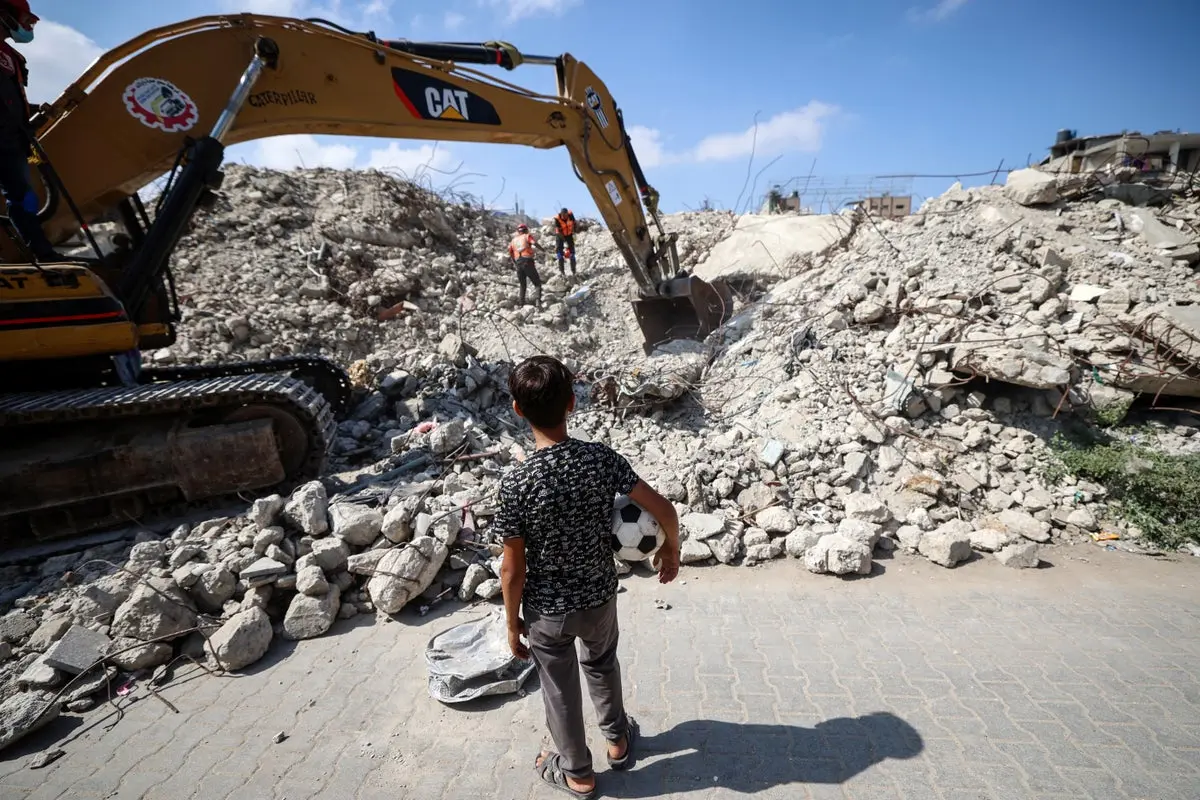 One Year After Gaza Ceasefire, Trump’s Peace Vision Falters Amid Renewed Violence
 Indian Police Detain Youth Leader to Thwart Election Chief Protest
 Taiwan Increases Defense Budget to Deter Potential Conflict
Despite boasting the most expensive armed forces in global history, contemporary defense budgets often fail to secure adequate ammunition reserves for sustained conflicts. Funding priorities frequently favor high-tech, exceptionally costly platforms over basic stockpiles. This imbalance creates a dangerous paradox where immense financial investment does not translate into immediate combat readiness.
Modern defense procurement heavily emphasizes advanced technology, stealth aircraft, and precision-guided systems. These sophisticated assets consume vast portions of the defense budget while offering limited mass production flexibility.
Can Wealthy Nations Overcome Supply Vulnerabilities?
When conflicts arise, restocking complex weaponry takes years rather than weeks. The industrial base struggles to pivot quickly, leaving modern militaries vulnerable during prolonged engagements.
Strategic planners must fundamentally rethink how defense dollars are allocated across different military sectors. Relying solely on cutting-edge innovation leaves critical gaps in essential conventional supplies.
Frequently Asked Questions
Balancing expensive technological advancements with robust, accessible ammunition reserves remains a vital challenge for global superpowers. Without strategic adjustments, even the largest military budgets will face severe supply constraints during extended crises.
What caused the historical Shell Crisis of 1915? British troops faced a devastating shortage of artillery shells, particularly high-explosive rounds, during an ill-fated assault against entrenched German positions in Aubers, France.
Why do modern military budgets struggle with ammunition shortages? Spending heavily prioritizes expensive, high-tech military platforms and advanced systems, leaving fewer resources and industrial capacity dedicated to maintaining large ammunition stockpiles.