Strengthening Sovereign Defense Capabilities
President Lai Ching-te announced a significant increase in Taiwan's military spending during his National Day address on October 10, 2026. The move aims to strengthen the island's defensive capabilities and deter potential aggression from China. This strategic shift reflects the growing geopolitical tensions currently shaping the security landscape in East Asia.
Latest news
 The Costly Paradox of American Military Spending
 Turkey Implements Strict Social Media Ban for Children Under Fifteen
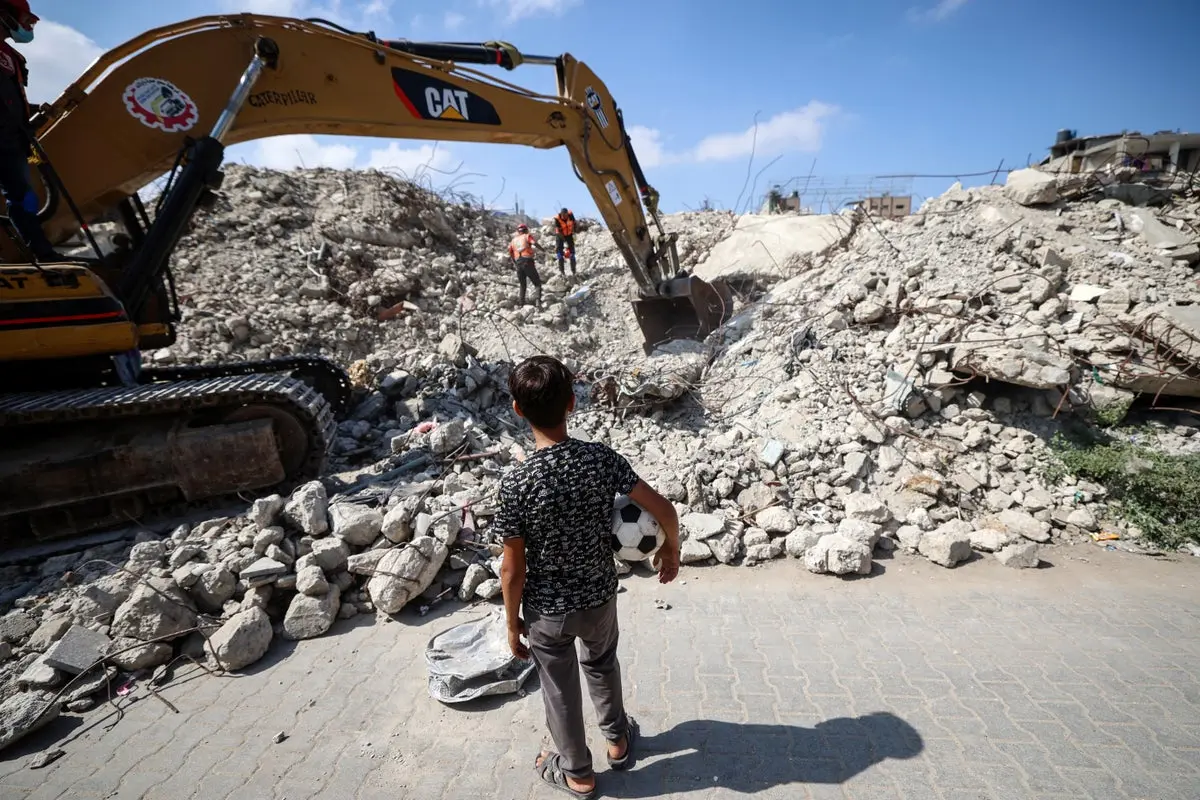 One Year After Gaza Ceasefire, Trump’s Peace Vision Falters Amid Renewed Violence
 Indian Police Detain Youth Leader to Thwart Election Chief Protest
The government intends to modernize its armed forces to ensure regional stability. Officials emphasize that self-reliance is critical for maintaining the status quo. This policy adjustment follows recent international pressure and evolving security requirements. Taiwan remains focused on upgrading its technology and personnel to counter mounting threats from across the strait.
The decision to boost military funding comes amid complex diplomatic discussions regarding regional security. Recently, United States President Donald Trump suggested that Taiwan should compensate the U. S. for defensive support. This request has sparked internal debates about the island’s fiscal priorities and its long-term reliance on foreign military partnerships.
Will Increased Spending Ensure Long-Term Security?
Taiwan’s administration maintains that investing in its own defense is the most effective way to prevent open conflict. By enhancing its deterrence posture, Taipei hopes to discourage any unilateral attempts to change the current status quo. These investments cover advanced hardware, intelligence gathering, and improved training exercises for military units.
Critics and analysts are weighing the economic implications of this surge in defense expenditure. While the government views the spending as an essential insurance policy, it places a heavy burden on the national budget. Balancing domestic social needs with the urgent requirement for military hardware remains a primary challenge for President Lai.
Frequently Asked Questions
The outlook remains uncertain as China continues to ramp up its own military presence near the island. Taiwan’s commitment to self-defense is intended to signal resolve to both its citizens and international observers. Whether this increased investment will successfully maintain peace depends on shifting geopolitical dynamics and future diplomatic negotiations.
Why is Taiwan increasing its military budget? The government aims to strengthen its defensive capabilities to deter potential conflict with China. This move is designed to ensure regional stability and maintain the current status quo.
How has the United States influenced this decision? President Donald Trump recently suggested that Taiwan should pay for U. S. protection. This prompted a reassessment of the island's defense spending and its reliance on international security support.