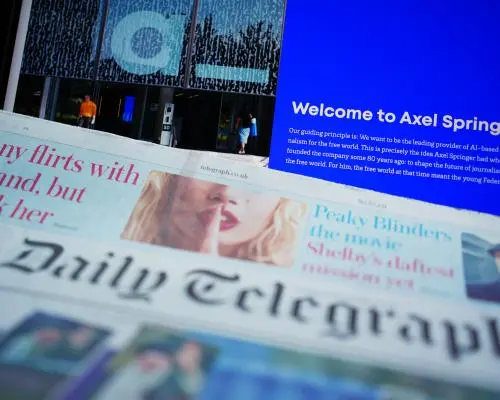
Strategic Shift Sparks Internal Uncertainty
Axel Springer, the German media giant, is preparing to cut between 50 and 100 editorial roles at The Telegraph. This move comes only months after the company promised to transform the publication into the premier center-right media outlet for English-speaking audiences. The restructuring marks a sharp reversal of previous growth-focused investment strategies.
Latest news
 The Costly Paradox of American Military Spending
 Turkey Implements Strict Social Media Ban for Children Under Fifteen
 One Year After Gaza Ceasefire, Trump’s Peace Vision Falters Amid Renewed Violence
 Indian Police Detain Youth Leader to Thwart Election Chief Protest
The decision is being spearheaded by billionaire chief executive Mathias Döpfner. Internal discussions suggest that the company is seeking to streamline operations despite its earlier pledge to expand the newsroom. Staff members were previously told that the new ownership would prioritize long-term investment and international influence rather than immediate cost-cutting measures.
The proposed layoffs represent a significant departure from the optimistic vision presented during the acquisition. Journalists at the publication had been anticipating a period of expansion and technological investment. Instead, the focus has shifted toward aggressive efficiency targets, leaving many employees concerned about the future of their reporting capacity.
Will Cost-Cutting Compromise Editorial Quality?
Management appears to be re-evaluating the financial sustainability of the current editorial structure. By reducing the headcount, the company aims to align its operational costs with current market realities. This approach contrasts heavily with the initial rhetoric regarding the brand's potential to dominate the global conservative media landscape.
Industry analysts are questioning whether these reductions will hinder the outlet's ability to maintain its competitive edge. A smaller newsroom often faces challenges in covering breaking news and conducting in-depth investigative journalism. The leadership team must now balance the need for profitability with the goal of maintaining the publication's journalistic reputation.
Frequently Asked Questions
The long-term impact on the brand's editorial output remains to be seen. If the cuts are as deep as reported, the publication may need to narrow its scope or rely more heavily on syndicated content. Whether this strategy will lead to the promised global influence or simply a diminished news presence is a matter of intense debate.
How many employees are expected to lose their jobs? The company is planning to eliminate between 50 and 100 positions within the editorial department. These cuts are part of a broader restructuring effort.
Why is the company changing its strategy? The ownership is shifting focus toward operational efficiency and cost management. This represents a reversal of their earlier commitment to expand the newsroom for growth.