A New Approach to Treating Lupus
Researchers have made a breakthrough in treating lupus, a chronic autoimmune disease that affects millions worldwide. A new treatment has been tested on mice, showing promising results. The disease can cause pain, swelling, and extreme fatigue, among other symptoms.
Latest news
 Swedish Voters Choose New Parliament as Left-Wing Coalition Projects to Win Majority
 Trump Announces End of US Tariff on Irish Whisky
 Frances Stonor Saunders, Author of CIA Cultural Espionage Exposé, Dies at 66
 Israel and Lebanon to Hold Security Talks in Rome This October
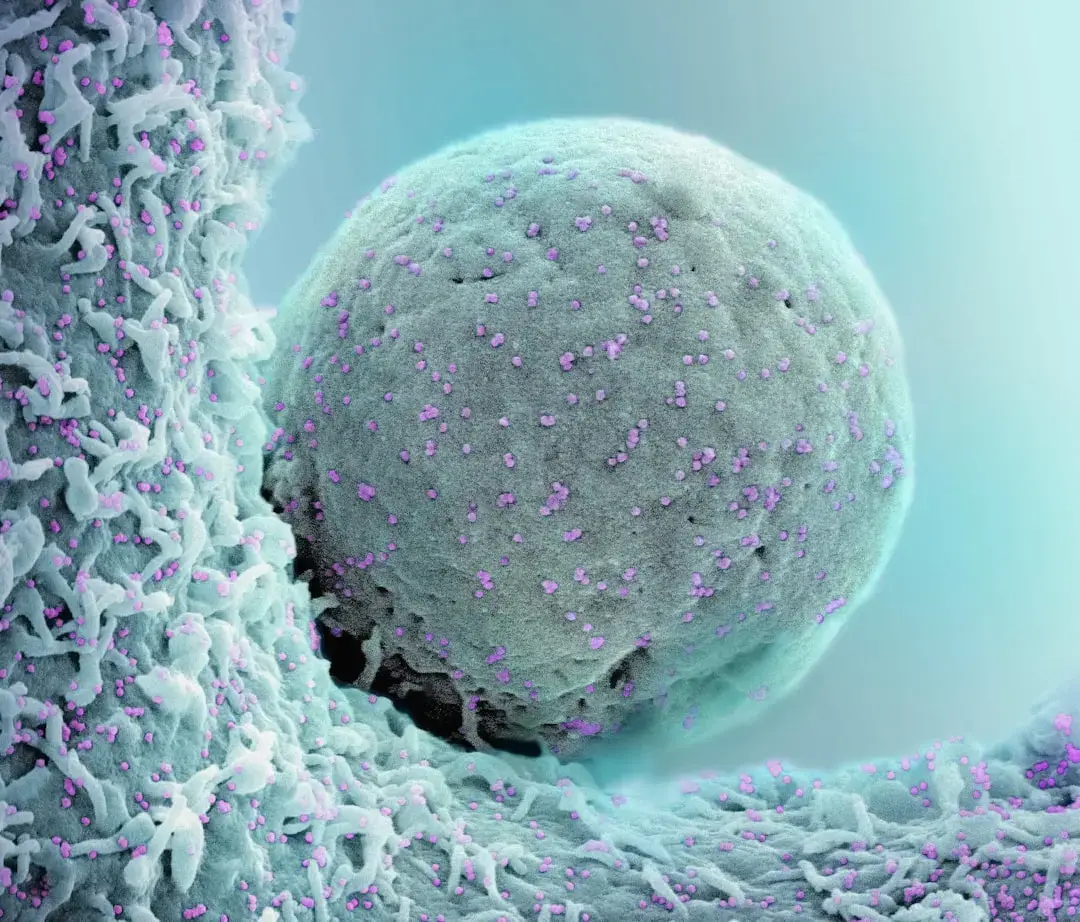
Lupus occurs when the immune system mistakenly attacks healthy tissues and organs. Natural killer cells, a type of immune cell, play a role in the disease. The new treatment targets these cells, aiming to reduce the severity of lupus symptoms.
The treatment is the first of its kind and has been shown to significantly reduce symptoms in mice. By targeting natural killer cells, the treatment aims to calm the overactive immune response that causes lupus. This approach is a departure from existing treatments, which often focus on managing symptoms rather than addressing the underlying cause.
Can This Treatment Be the Answer for Lupus Patients?
The results of the study are encouraging, with mice showing reduced inflammation and tissue damage. While more research is needed to confirm the treatment's safety and efficacy in humans, the findings offer new hope for those affected by lupus.
The development of this treatment could lead to improved management of lupus symptoms and a better quality of life for patients. Further studies will be necessary to determine the treatment's potential in humans.
Frequently Asked Questions
What is lupus? Lupus is a chronic autoimmune disease that can cause pain, swelling, and extreme fatigue. It occurs when the immune system mistakenly attacks healthy tissues and organs.
How does the new treatment work? The treatment targets natural killer cells, a type of immune cell involved in lupus, to reduce the severity of symptoms.
What are the next steps for the treatment? Further research is needed to confirm the treatment's safety and efficacy in humans before it can be considered for use in patients.