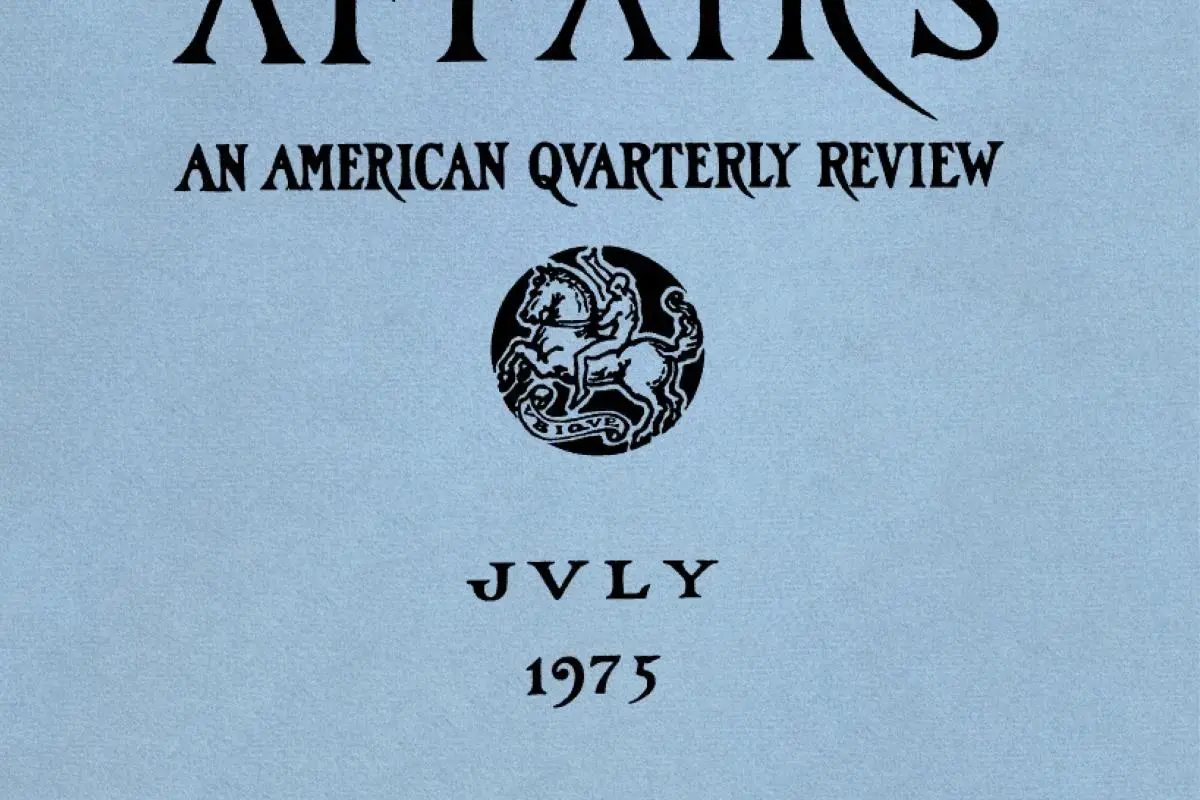
The Asymmetric Calculus of Violence
Twenty-five years before the September 11 attacks, historian David Fromkin analyzed the rising tide of global violence. Writing during a period of intense geopolitical instability, he sought to decode the underlying motives of non-state actors. His research offered a chillingly accurate framework for understanding how terror functions as a deliberate political tool.
Latest news
 Swedish Voters Choose New Parliament as Left-Wing Coalition Projects to Win Majority
 Trump Announces End of US Tariff on Irish Whisky
 Frances Stonor Saunders, Author of CIA Cultural Espionage Exposé, Dies at 66
 Israel and Lebanon to Hold Security Talks in Rome This October
Fromkin argued that terrorism is not merely random chaos or mindless destruction. Instead, he defined it as a calculated strategy employed by the weak against the strong. By targeting civilians, these groups aim to provoke a disproportionate response from the state. This reaction often destabilizes governments and delegitimizes their authority in the public eye.
The core objective of this strategy is psychological manipulation rather than military victory. Terrorists lack the resources to defeat a nation on the battlefield. By creating an atmosphere of constant fear, they force the government to exhaust its resources and curtail civil liberties. This cycle of repression frequently plays into the hands of the agitators.
Can Democracies Withstand the Pressure?
Fromkin observed that the effectiveness of these campaigns relies on the media’s amplification of the violence. Each attack serves as a dramatic performance intended to reach a global audience. The goal is to shift the political narrative and force the state into a defensive posture. Over time, this erosion of public confidence serves the long-term goals of the insurgent groups.
The historian noted that the primary challenge for democratic nations is maintaining their values while under siege. When states react with excessive force or authoritarian measures, they often alienate the very populations they intend to protect. This dynamic creates a dangerous feedback loop that sustains the terrorist threat for decades.
Frequently Asked Questions
Ultimately, Fromkin’s analysis remains a foundational text for modern security studies. His work highlights the difficulty of defeating an enemy that views defeat as a form of victory. As global tensions persist, his insights serve as a warning about the fragility of political stability. Understanding the logic of the weak remains essential for crafting effective national security policies.
What is the primary goal of terrorism according to this analysis? The goal is to use psychological fear to provoke a disproportionate state response. This strategy aims to undermine the government’s legitimacy and destabilize society.
Why is terrorism often described as a strategy of the weak? It is a tool used by groups that lack the conventional military power to challenge a state directly. By focusing on symbolic violence, they attempt to bypass traditional military superiority.