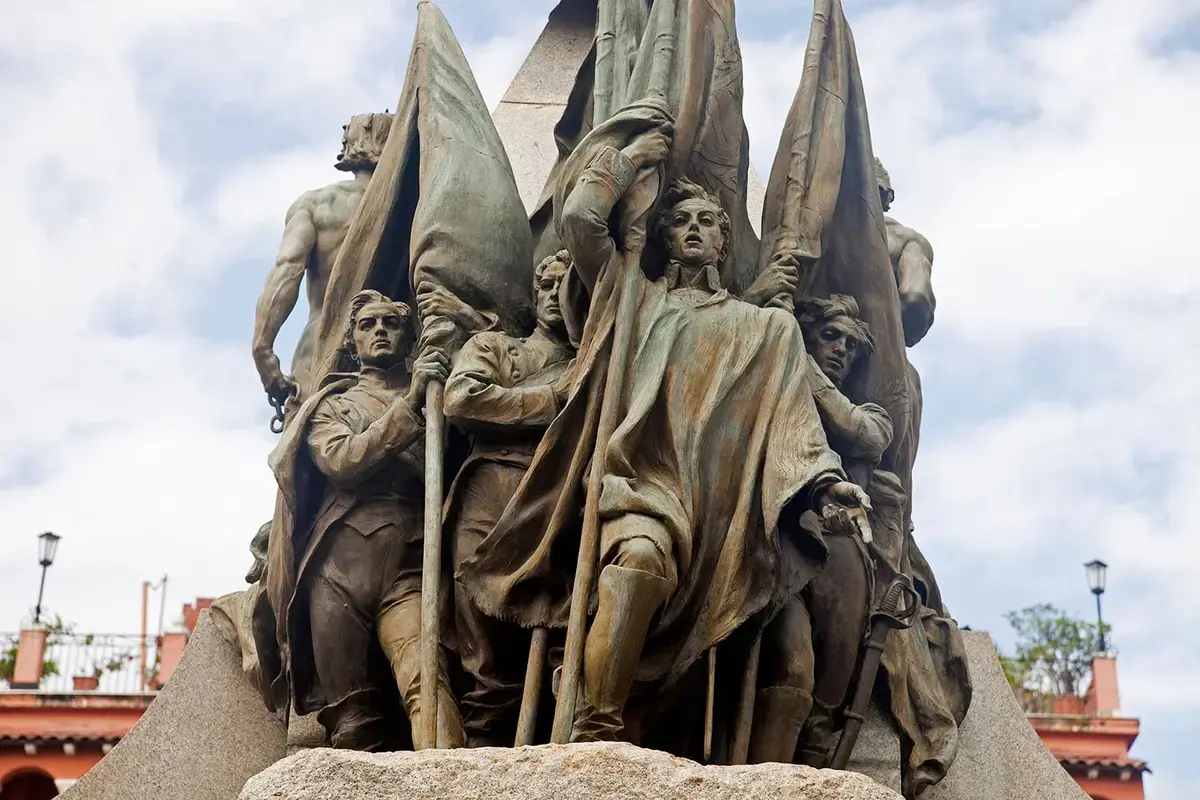
A Vision for Hemispheric Unity
A pivotal moment in American history, the 1826 Congress of Panama, aimed to unite newly independent nations. This gathering sought to create a bulwark against the influence of powerful foreign states. Its significance, though often overlooked, remains strikingly relevant even today.
Latest news
 Swedish Voters Choose New Parliament as Left-Wing Coalition Projects to Win Majority
 Trump Announces End of US Tariff on Irish Whisky
 Frances Stonor Saunders, Author of CIA Cultural Espionage Exposé, Dies at 66
 Israel and Lebanon to Hold Security Talks in Rome This October
This early international assembly represented a bold attempt by emerging American republics to assert their sovereignty. Leaders recognized the need for collective security and economic cooperation. They hoped to forge a common front against potential colonial resurgence or external interference.
Simón Bolívar, the Venezuelan liberator, spearheaded the initiative for this groundbreaking congress. He envisioned a confederation of American states, strong enough to deter European powers. Delegates from Gran Colombia, Peru, Mexico, and the United Provinces of Central America attended. The United States, despite being invited, did not send representatives in time. This absence highlighted early divisions and differing geopolitical priorities within the Americas.
Why Does This Historical Event Still Matter?
The congress addressed critical issues such as mutual defense, trade agreements, and the abolition of slavery. Discussions focused on establishing a pan-American league with a standing army and a common legislature. Though many proposals were ultimately not ratified by all participating nations, the spirit of cooperation was undeniable.
The 1826 Congress of Panama serves as a powerful reminder of the enduring challenges faced by developing nations. It underscores the constant struggle to maintain independence in the face of larger global powers. The themes of self-determination and regional solidarity continue to resonate in contemporary international relations. The congress's efforts to create a unified front against external pressures offer valuable lessons for today's geopolitical landscape.
The ambition of the 1826 congress, despite its limited immediate success, laid foundational ideas for future pan-American movements. It demonstrated an early understanding of the importance of multilateralism. The desire for collective strength against external domination remains a central tenet for many nations.
Frequently Asked Questions
What was the main goal of the 1826 Congress of Panama? The primary goal was to create a confederation of newly independent American states. This confederation aimed to resist the influence and potential aggression of powerful European nations.
Which nations participated in the congress? Gran Colombia, Peru, Mexico, and the United Provinces of Central America sent delegates. The United States was invited but did not have representatives present during the proceedings.
What was Simón Bolívar's role in the congress? Simón Bolívar was the driving force behind the initiative. He envisioned a united American continent capable of defending its sovereignty and promoting regional cooperation.