Legal Basis for U. S. Opposition to ICC Jurisdiction
The Trump administration is preparing to impose sanctions on the International Criminal Court, according to a Wall Street Journal report citing unnamed officials. The measures would restrict most financial and operational transactions with the ICC following a six- to seven-month grace period. The move comes after the court issued arrest warrants for Israeli leaders over alleged war crimes in Gaza, a decision the U. S. has rejected as illegitimate and politically motivated. Officials say the sanctions aim to pressure the court and protect American and allied personnel from what they describe as overreach by an unaccountable body.
Latest news
 Trump & Xi to Meet Amidst Friction on Wars, Tech, Trade
 Trump's Triumphal Arch Plan Highlights Growing Political Isolation
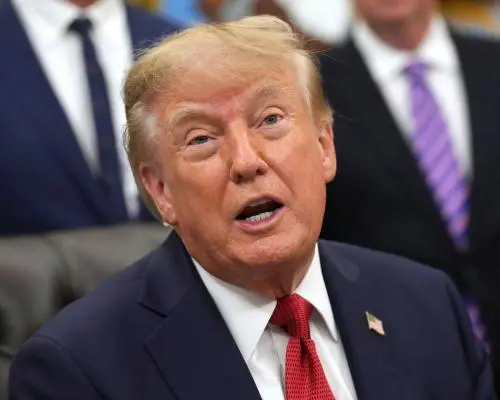 Trump to Create Health Funding Board with Power to Veto „Woke” Research
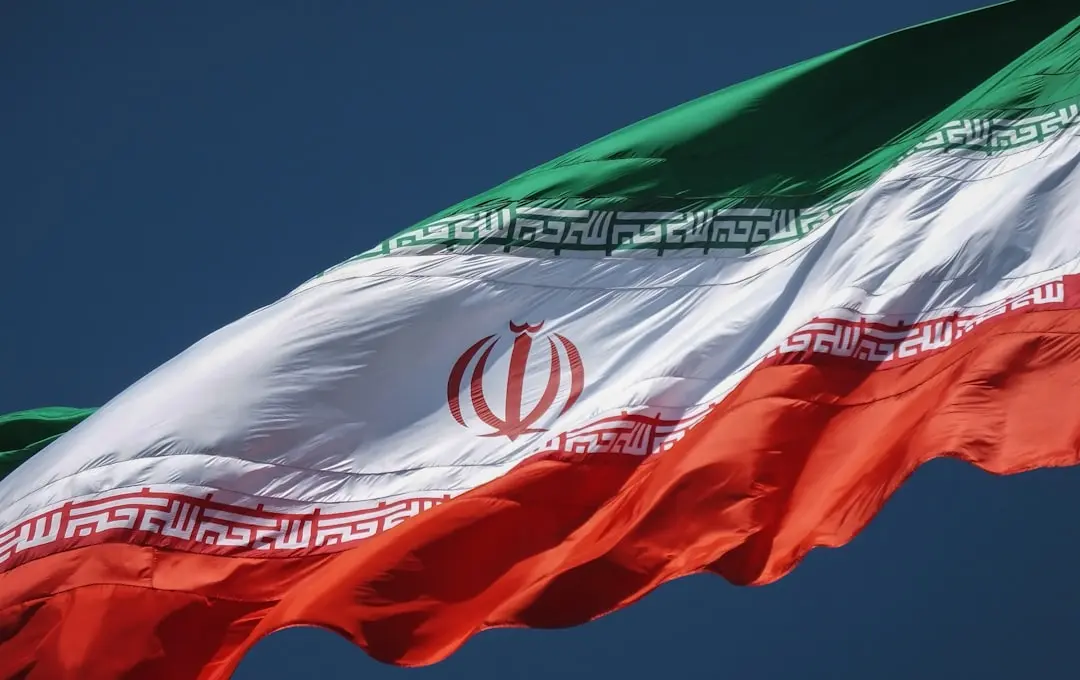 Iran's Foreign Minister Heads to New York for UN General Assembly
The United States is not a party to the Rome Statute that established the ICC and has long argued the court lacks jurisdiction over its citizens or those of its allies. Washington contends that the court’s pursuit of cases involving U. S. or Israeli personnel violates sovereignty and undermines legitimate national security actions. The proposed sanctions would target the ICC’s ability to access global financial systems, potentially hindering its operations. Critics argue such moves could weaken international accountability mechanisms and set a dangerous precedent for shielding powerful states from scrutiny.
How Might Sanctions Affect the Court’s Operations?
If implemented, the sanctions would likely limit the ICC’s access to banking services, making it difficult to pay staff, maintain offices, or process payments for investigations. The grace period is intended to allow for diplomatic engagement, but officials indicate little expectation of a reversal in the court’s current actions. Human rights groups warn that restricting the court’s functionality could impede efforts to address atrocities in conflicts worldwide, even as supporters of the measure argue it defends against biased prosecutions.
Why is the U. S. opposing the ICC’s actions regarding Israel? The U. S. rejects the ICC’s arrest warrants for Israeli officials, claiming the court is overstepping its authority and acting with bias against a democratic ally, despite not recognizing the court’s jurisdiction in the first place.
Frequently Asked Questions
What would the sanctions actually prohibit? The sanctions would ban most financial transactions with the ICC after a grace period, effectively cutting off its access to international banking and funding sources needed to sustain operations.
Could the sanctions be reversed? While the grace period leaves room for negotiation, officials suggest the administration is unlikely to back down unless the ICC withdraws its warrants, making reversal improbable without significant concessions from the court.