Economic Uncertainty Drives Voter Discontent
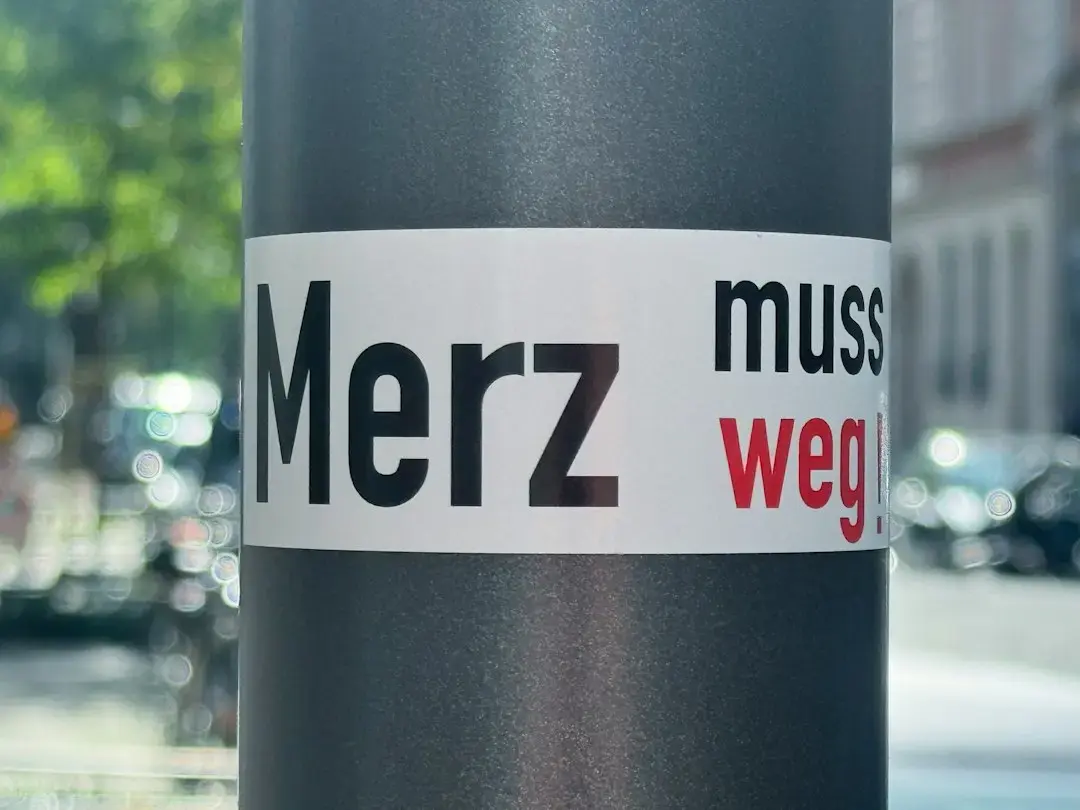
German Chancellor Friedrich Merz pledged to continue his ambitious reform agenda despite a significant electoral setback. The Christian Democratic Union (CDU) suffered a historic defeat in the Mecklenburg-Western Pomerania state elections. Early projections indicated the party secured only 4.9 percent of the vote. This result marked a severe drop in support for the governing coalition. The loss occurred on September 20, 2026, in the northeastern German state. Merz faced immediate pressure to justify his leadership strategy. He insisted that the federal government’s policies remain on the right track.
Latest news
 Trump & Xi to Meet Amidst Friction on Wars, Tech, Trade
 Trump's Triumphal Arch Plan Highlights Growing Political Isolation
 Trump to Create Health Funding Board with Power to Veto „Woke” Research
 Iran's Foreign Minister Heads to New York for UN General Assembly
The CDU’s performance in Mecklenburg-Western Pomerania signaled deepening political discontent. Voters in the region traditionally lean toward conservative parties. However, economic anxieties and housing shortages drove many away from the center-right. The 4.9 percent share was far below expectations for a ruling party. This outcome highlighted the fragility of Merz’s coalition. Opposition parties capitalized on the result to demand policy changes. The Chancellor acknowledged the difficulty of the situation but refused to backtrack. He emphasized the need for long-term structural changes over short-term political gains.
Can the Coalition Survive This Setback?
The defeat in Mecklenburg-Western Pomerania was not an isolated incident. It reflected broader trends across Germany. Inflation and rising energy costs have eroded public trust in the government. The CDU struggled to communicate its economic recovery plan effectively. Many voters felt disconnected from the Chancellor’s message. The party’s internal divisions also played a role. Factions within the CDU disagreed on the pace of reforms. Some members favored stricter austerity measures, while others pushed for social spending. This lack of unity weakened the party’s campaign efforts. Merz attempted to unify the party by focusing on national security and defense spending. However, local issues dominated the state election debate.
The political implications of this loss are significant. The federal coalition relies on a narrow majority in the Bundestag. Losing ground in state elections undermines the government’s mandate. Opposition leaders called for a national referendum on key reform bills. They argued that the state result proved the policies were unpopular. Merz’s cabinet members urged calm and continued focus on legislative priorities. They warned that reversing course would damage Germany’s international reputation. The Chancellor maintained that the federal government must remain stable. He pointed to completed infrastructure projects as evidence of progress. Despite the setback, the CDU remains the largest party in the federal parliament.
The coming months will test the resilience of Merz’s leadership. Upcoming local elections in other states may provide further insights. If the trend continues, the coalition could face serious challenges. Merz plans to address the party base in a special conference. He aims to reinvigorate support among core voters. The outcome of these efforts will determine the government’s stability. For now, the Chancellor remains committed to his vision. The political landscape in Germany remains volatile and uncertain.
Frequently Asked Questions
What was the CDU’s vote share in Mecklenburg-Western Pomerania? The Christian Democratic Union received 4.9 percent of the vote. This figure represented a historic low for the party in that region.
How did Chancellor Merz respond to the election results? Merz vowed to press ahead with his reform agenda. He rejected calls to abandon his current policy direction.