Reform Roadmap: From Rhetoric
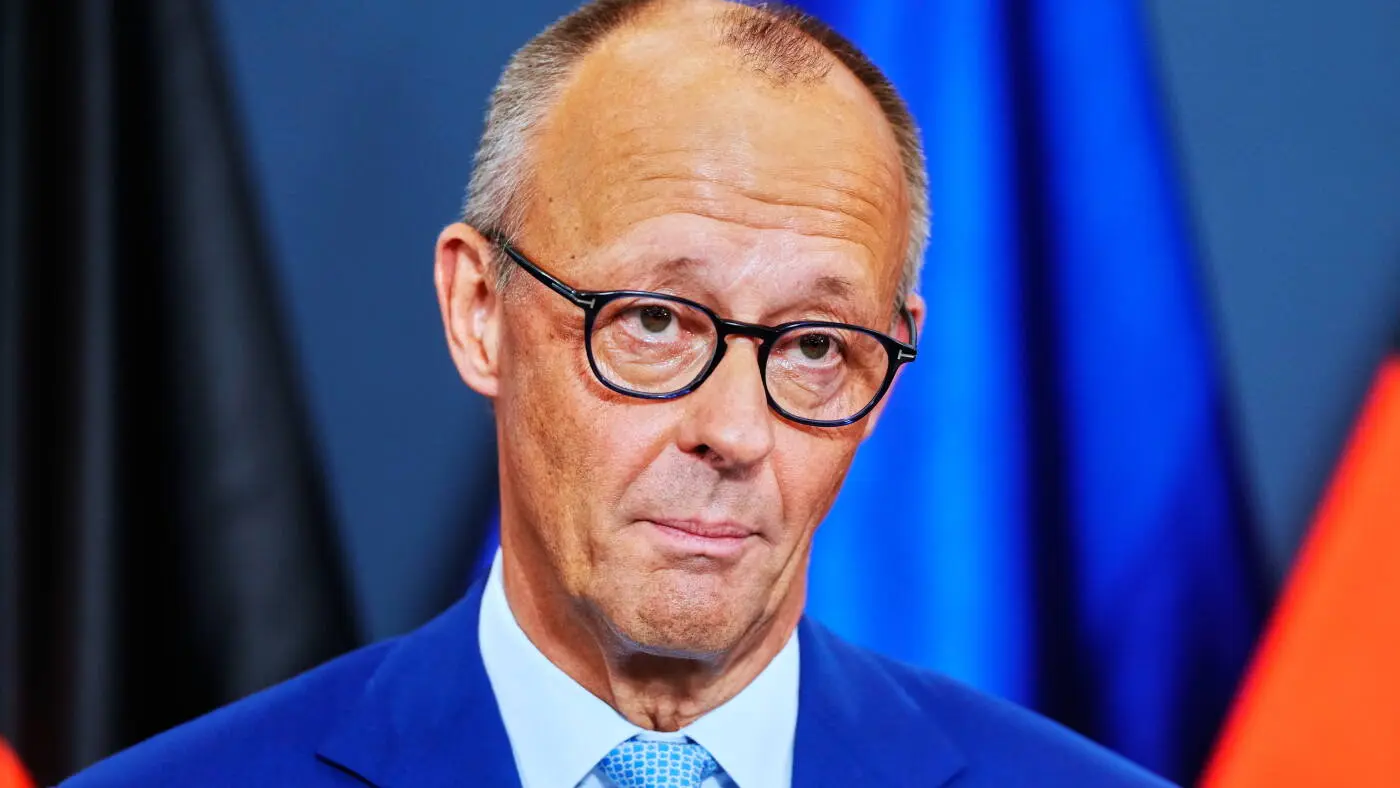
Berlin, Sept. 20 — Chancellor Friedrich Merz addressed reporters at the Christian Democratic Union headquarters on Sunday, after his party suffered unprecedented defeats in the Bavarian and Saxony‑Anhalt state elections. The losses marked the first time the governing coalition fell behind in both regions, prompting Merz to pledge a renewed reform agenda despite the setback.
Latest news
 Trump & Xi to Meet Amidst Friction on Wars, Tech, Trade
 Trump's Triumphal Arch Plan Highlights Growing Political Isolation
 Trump to Create Health Funding Board with Power to Veto „Woke” Research
 Iran's Foreign Minister Heads to New York for UN General Assembly
The CDU’s poor showing reflected growing voter frustration with rising energy costs, sluggish economic growth, and perceived inertia on climate policy. Analysts link the outcome to a combination of high unemployment in the south, a surge in support for the Greens, and lingering distrust of the party’s handling of the Ukraine aid package. Merz, who has led the coalition since 2024, argued that the defeats are a „wake‑up call” rather than a defeat, insisting that his government will accelerate plans to modernize the labor market, cut bureaucracy, and invest in renewable energy.
In his press conference, Merz outlined three priority areas. First, he announced a fast‑track amendment to the Employment Protection Act, aiming to give firms more flexibility in hiring while safeguarding workers’ rights. Second, he proposed a „digital infrastructure fund” of €12 billion to close broadband gaps in rural districts, a move intended to boost small‑business competitiveness. Third, he called for a phased reduction of the coal tax, paired with subsidies for solar and wind projects, to meet the EU’s 2030 emissions target. „We cannot afford to wait for the next election to act,” Merz said, emphasizing that the reforms are essential to restore public confidence and spur growth.
Can the CDU Recover From Two Historic Defeats?
Political commentators are divided on the party’s prospects. Some argue that the losses could erode the CDU’s base, especially among younger voters who are gravitating toward the Greens and the liberal FDP. Others contend that Merz’s decisive stance may rally the party’s traditional supporters and attract undecided centrists seeking stability. The upcoming federal budget debate will test Merz’s ability to translate his reform promises into legislation, while opposition parties are already gearing up to challenge his proposals in parliament.
The electoral blow also reshapes the coalition dynamics with the Social Democrats, who may leverage the CDU’s weakened position to push for more progressive policies. If Merz’s reforms gain traction, they could stabilize the economy and mitigate the risk of further voter drift. However, failure to deliver could deepen internal party tensions and fuel calls for new leadership ahead of the 2028 federal elections.
Frequently Asked Questions
What caused the CDU’s loss in Bavaria and Saxony‑Anhalt? Voter discontent over high living costs, slow job creation, and a perception that the government lagged on climate initiatives drove many to alternative parties.
Which reforms does Merz plan to prioritize? He aims to amend labor laws for greater hiring flexibility, launch a €12 billion digital infrastructure fund, and adjust energy taxes to accelerate renewable investments.
How might these reforms affect Germany’s economy? If implemented, they could boost productivity, attract investment, and help meet EU climate goals, though their success depends on parliamentary support and effective execution.