A Controversial Proposal: What Does It Mean?
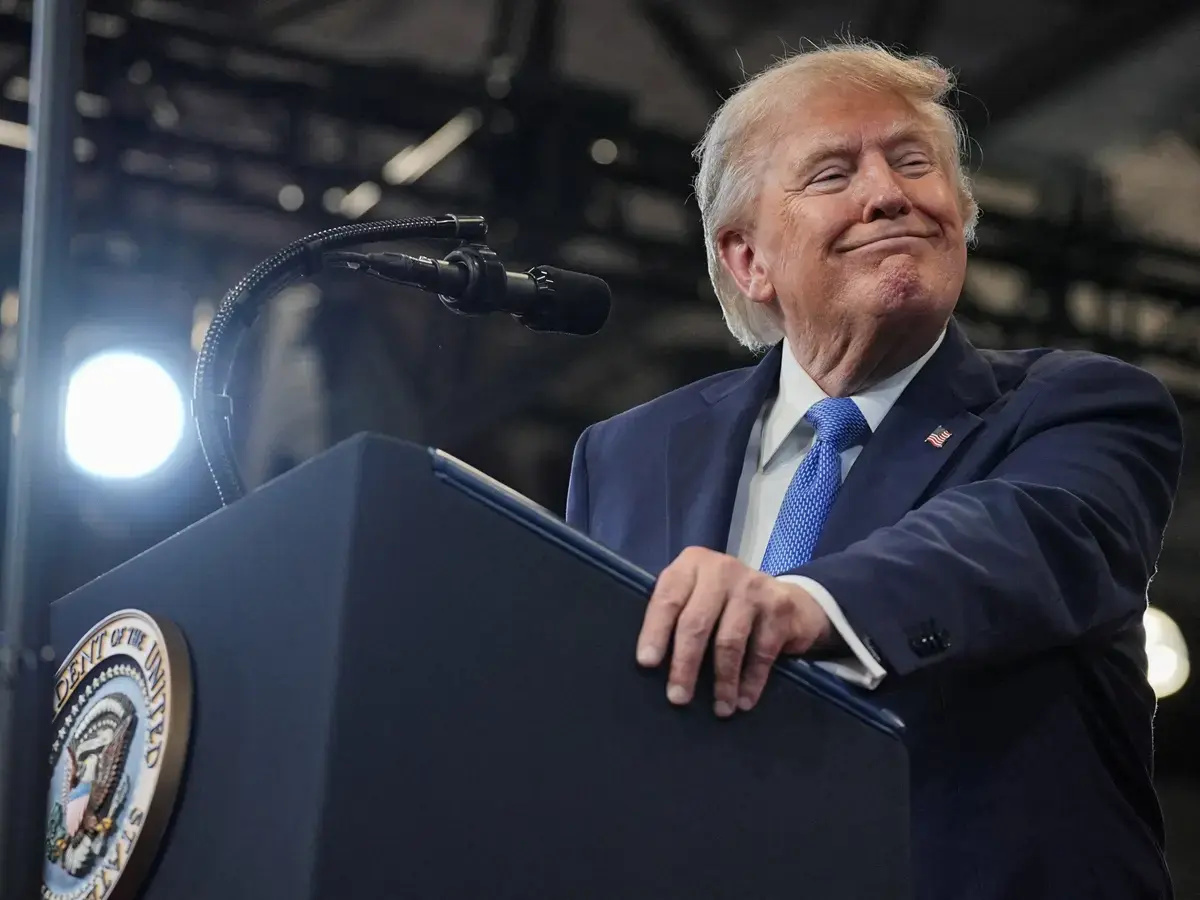
In a bold statement, U. S. President Donald Trump has suggested that the Strait of Hormuz could become a U. S. territory. This remark comes as tensions between the United States and Iran continue to escalate, raising concerns about the potential for conflict in the region.
Latest news
 Swedish Voters Choose New Parliament as Left-Wing Coalition Projects to Win Majority
 Trump Announces End of US Tariff on Irish Whisky
 Frances Stonor Saunders, Author of CIA Cultural Espionage Exposé, Dies at 66
 Israel and Lebanon to Hold Security Talks in Rome This October
The Strait of Hormuz is a crucial waterway for global oil shipments, with approximately 20% of the world's oil passing through it. Trump's comments reflect his administration's aggressive stance towards Iran, which has been marked by sanctions and military posturing. The president's assertion raises questions about the legality and feasibility of such a claim, as well as its implications for international relations.
Trump's suggestion seems to indicate a willingness to escalate U. S. involvement in the region. While he has made provocative statements before, this one stands out due to the strategic importance of the Strait of Hormuz. Experts are debating whether such a move could lead to increased military confrontation or serve as a bargaining chip in negotiations with Iran.
Is This a Viable Strategy for the U. S.?
The president's remarks come at a time when Iran has been asserting its influence in the region, challenging U. S. interests. The ongoing tensions have resulted in a series of confrontations, including attacks on oil tankers and military installations. Trump's comments may be intended to send a message to Iran, signaling that the U. S. is prepared to take drastic measures to protect its interests.
Many analysts are questioning the practicality of Trump's proposal. Making the Strait of Hormuz a U. S. territory would likely violate international law and provoke severe backlash from Iran and other nations. Such a move could also destabilize the already volatile Middle East, leading to wider conflict.
Critics argue that the administration's aggressive rhetoric has not yielded positive results. Instead, it has fueled animosity and increased the likelihood of military engagement. The U. S. has already deployed additional troops and military assets to the region, further complicating the situation.
The consequences of Trump's statements could be significant. If the U. S. were to pursue this path, it might provoke Iran into retaliatory actions, which could spiral into open conflict. The international community would likely respond with condemnation, potentially isolating the U. S. diplomatically.
Frequently Asked Questions
What is the Strait of Hormuz's significance? The Strait of Hormuz is vital for global oil transportation, with a significant portion of the world's oil supply passing through it. Control over this waterway is crucial for energy security.
What are the implications of Trump's comments? Trump's remarks could escalate tensions with Iran and provoke military conflict. They also raise questions about international law and the U. S.'s role in the region.
Can the U. S. legally claim the Strait of Hormuz? Legally claiming the Strait of Hormuz as U. S. territory would likely violate international law, leading to widespread condemnation and potential military retaliation from Iran.