Strategic Leverage Through Naval Dominance
President Donald Trump issued a stark warning on Tuesday that the United States may soon launch military strikes against Iran. He stated that the window for diplomatic resolution is closing rapidly. This threat comes amid escalating regional tensions and ongoing disputes over nuclear capabilities. The President emphasized that the US maintains significant military advantage in the region.
Latest news
 Male Birth Control Pill Nears Reality After Long Wait
 UK 30-Year Government Bond Yields Surge to 6%, Highest Since 1998
 Sanaa Takaichi Tightens Rules for Foreigners Seeking Japanese Permanent Residency
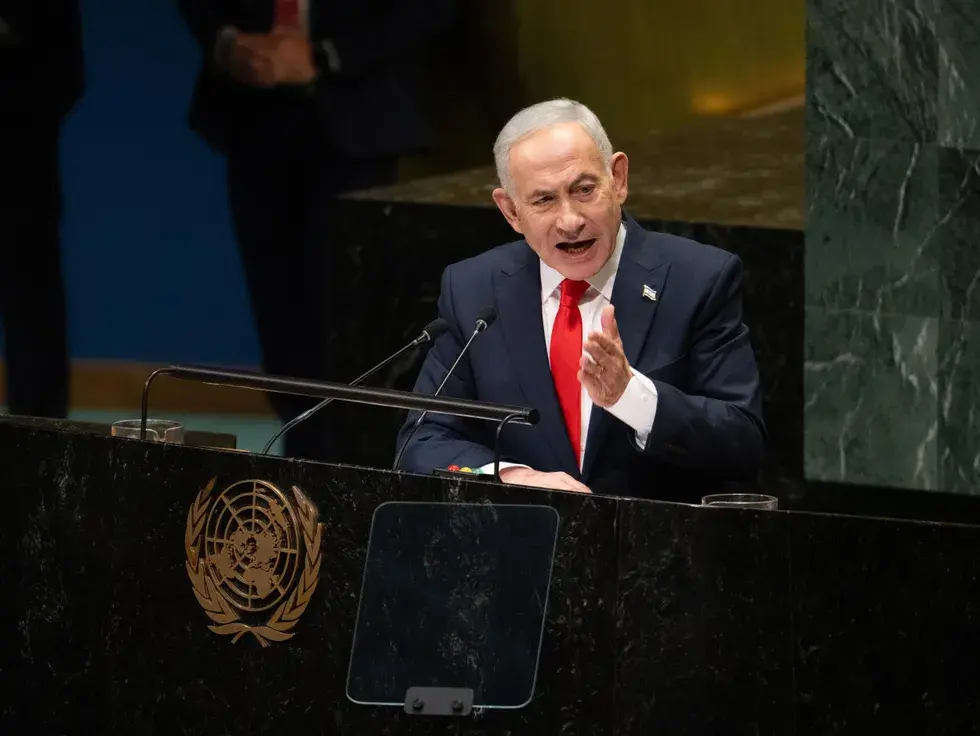 Netanyahu Accuses Erdogan of Seeking Control Over Syria
Trump made these remarks during a public event celebrating Hispanic Heritage Month. He claimed that American forces hold virtually total controlover the Strait of Hormuz. This critical waterway handles a significant portion of global oil trade. The President suggested that the US is prepared for immediate action if necessary. He framed the situation as a binary choice between conflict and a negotiated deal.
The President’s comments highlight a shift toward aggressive posturing in the Middle East. By asserting control over the Strait of Hormuz, Trump aims to demonstrate overwhelming force. This strategic chokepoint is vital for energy security worldwide. Any disruption could cause immediate spikes in global oil prices. The US Navy has increased its presence in the area recently. This buildup serves as a tangible deterrent to Iranian aggression.
Will Diplomacy Survive the Military Threat?
Trump insisted that the current impasse in negotiations is unsustainable. He argued that Iran must accept strict limitations on its nuclear program. Alternatively, the US will proceed with kinetic operations. The President rejected the idea of prolonged uncertainty. He stated that the time for indecision has passed. This rhetoric signals a high likelihood of confrontation in the near future.
Diplomats remain cautious about the feasibility of a last-minute agreement. Iran has consistently denied seeking weapons-grade nuclear material. Their officials claim their program is for peaceful energy purposes. However, international inspectors have raised serious concerns about undeclared sites. The gap between these positions remains wide.
Trump’s dual approach of offering a deal while threatening war creates pressure. It forces Tehran to make quick decisions under duress. Regional allies are monitoring the situation closely. They fear being drawn into a broader conflict. The uncertainty adds volatility to global markets and security policies.
Frequently Asked Questions
The potential for conflict continues to rise as both sides maintain hardline stances. If no agreement is reached, military action becomes a distinct possibility. The global community watches for signs of de-escalation. The coming weeks will determine whether diplomacy or force prevails. The stakes for regional stability and global energy security are extremely high.
What did Trump say about the Strait of Hormuz? Trump claimed the US has virtually total control over the strait. He used this assertion to underscore American military superiority in the region.
Why is the timing of a potential strike significant? Trump warned that the time for decision is running out. He indicated that the US will not wait indefinitely for a diplomatic solution.