How National Security Is Being Redefined
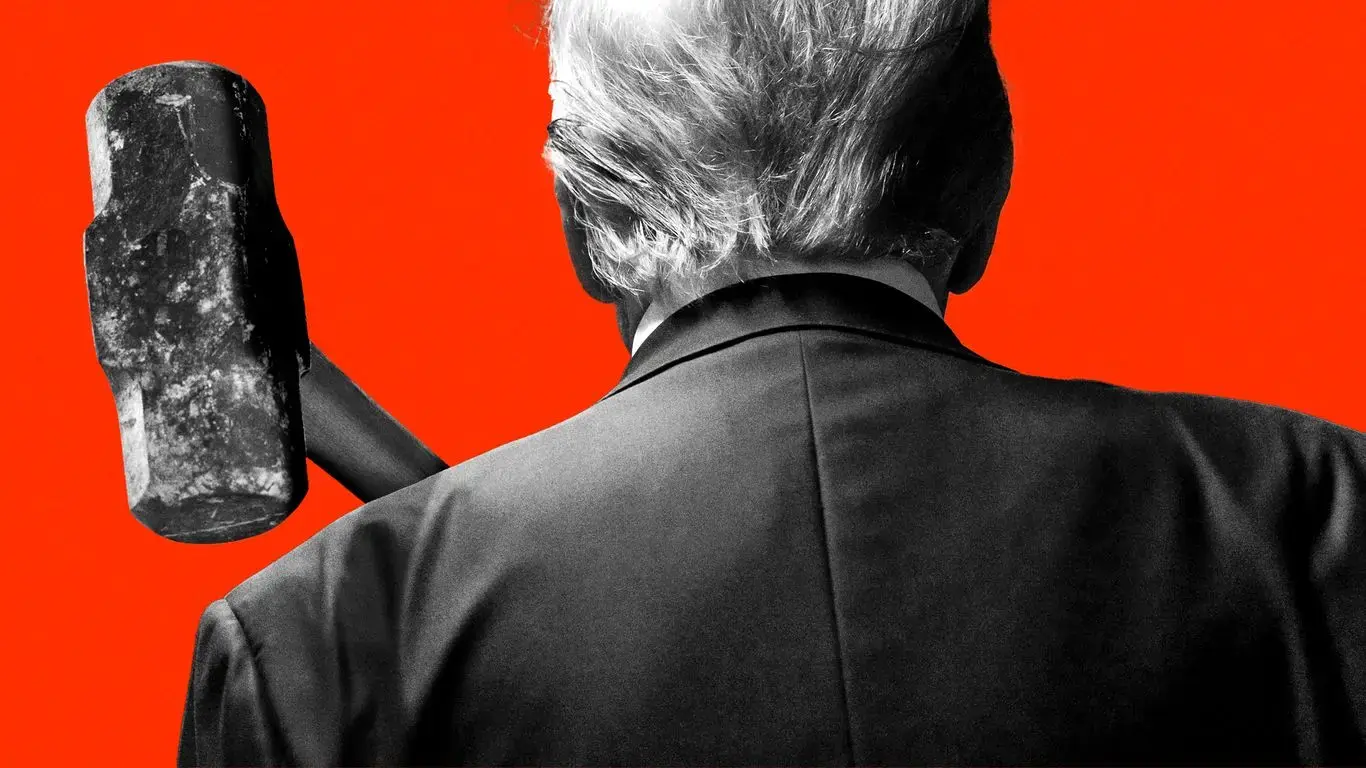
President Donald Trump has invoked national security to defend a series of contentious actions, including restricting press access at the White House, proposing a large monument near Washington D. C., and expressing interest in acquiring Greenland. These moves, though seemingly unrelated, are framed by the administration as necessary for protecting the country’s strategic interests. Critics argue the national security justification is being overextended to bypass traditional checks and expand executive power.
Latest news
 Global Diplomacy Prepares for the 2026 UN Leadership Transition
 Donald Trump Proposes Long-Term Security Oversight for Greenland
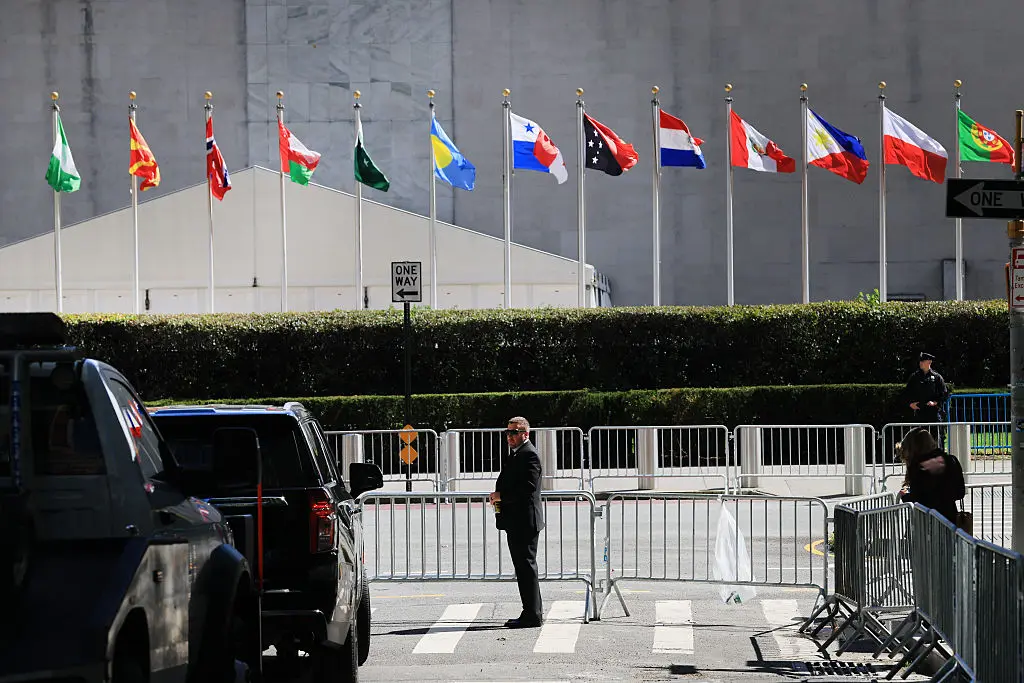 Tensions Escalate Between Washington and Tehran During UN General Assembly
 Stock Market Futures Hold Steady Following Strong Monday Rally
The White House has limited access for certain journalists, citing security concerns, while simultaneously pushing for the construction of a 250-foot arch near the capital, described as a symbol of national strength. Meanwhile, Trump has repeatedly suggested purchasing Greenland from Denmark, calling it a strategic asset for military and resource reasons. Danish officials have dismissed the idea as absurd, but the president insists the island’s location and potential mineral wealth make it vital for U. S. security in the Arctic.
Could This Approach Backfire on Future Presidents?
Trump’s use of national security as a rationale marks a shift from traditional applications, which typically involve military threats or espionage. Instead, the term is now applied to diplomatic moves, media relations, and even real estate proposals. Legal experts warn that broadening the definition could allow future administrations to justify nearly any action under the same banner, weakening institutional oversight. The administration maintains that these steps are proactive measures to counter long-term risks posed by global competitors.
By stretching the meaning of national security, Trump may be setting a precedent that future leaders—regardless of party—could exploit to bypass Congress or the courts. While supporters say the president is finally using all available tools to protect America, critics fear it erodes democratic norms. The long-term impact depends on whether courts and lawmakers push back or accept this expanded interpretation as the new normal.
Is the White House journalist ban legally valid? The administration claims it is based on security reviews, but press freedom groups argue it violates First Amendment principles and lacks transparency.
Frequently Asked Questions
Why does Trump want Greenland? He views it as strategically important for military positioning and access to rare earth minerals, especially as Arctic ice melts and global competition increases.
Has any president tried to buy Greenland before? Yes, in 1946, President Truman offered Denmark $100 million for the island, but the deal was rejected then as well.