A Soviet Echo in Modern Rhetoric
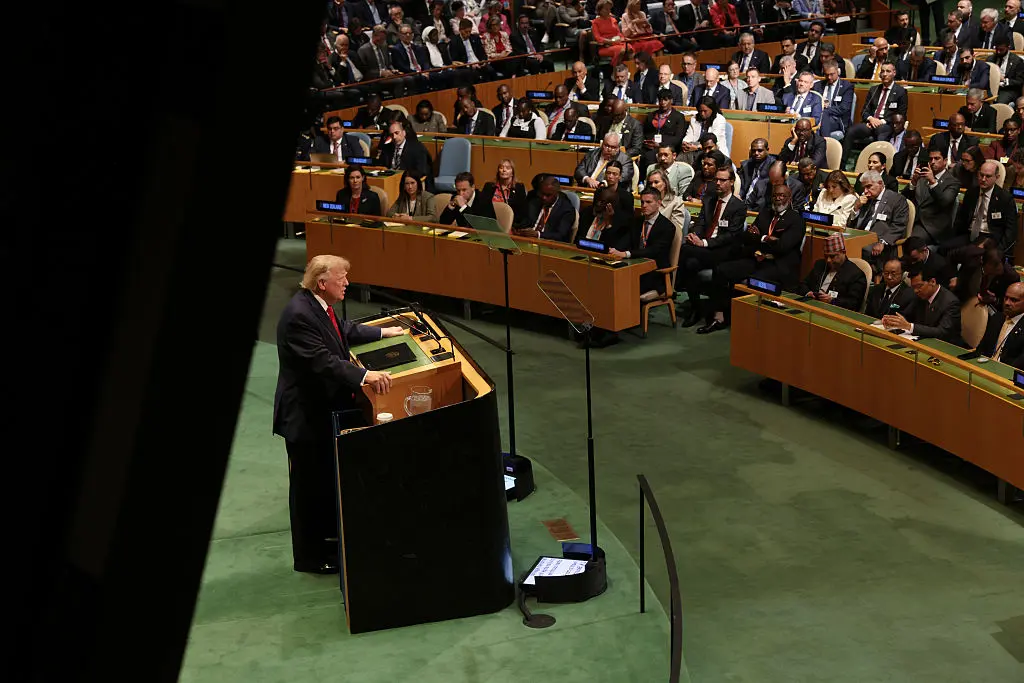
President Donald Trump addressed the 81st United Nations General Assembly in New York City on Tuesday. He delivered a speech that surprised many attendees with its intensity. The American leader warned of severe consequences for Iran. His remarks suggested a potential military escalation. Diplomats noted the stark shift in tone compared to previous diplomatic efforts. The event took place at UN headquarters. Observers watched closely as Trump outlined his strategy. The atmosphere remained tense throughout the session.
Latest news
 President Trump Declares Force the Path to Peace at UN Assembly
 China’s Clean Energy Exports Surge Amid Iran Conflict, Boosting Xi’s Leverage in U.S. Talks
 Carney Commits $100 Million to Palestinian Aid at
 Family Claims Neglect Led to Death of Costa Rican Detainee in ICE Custody
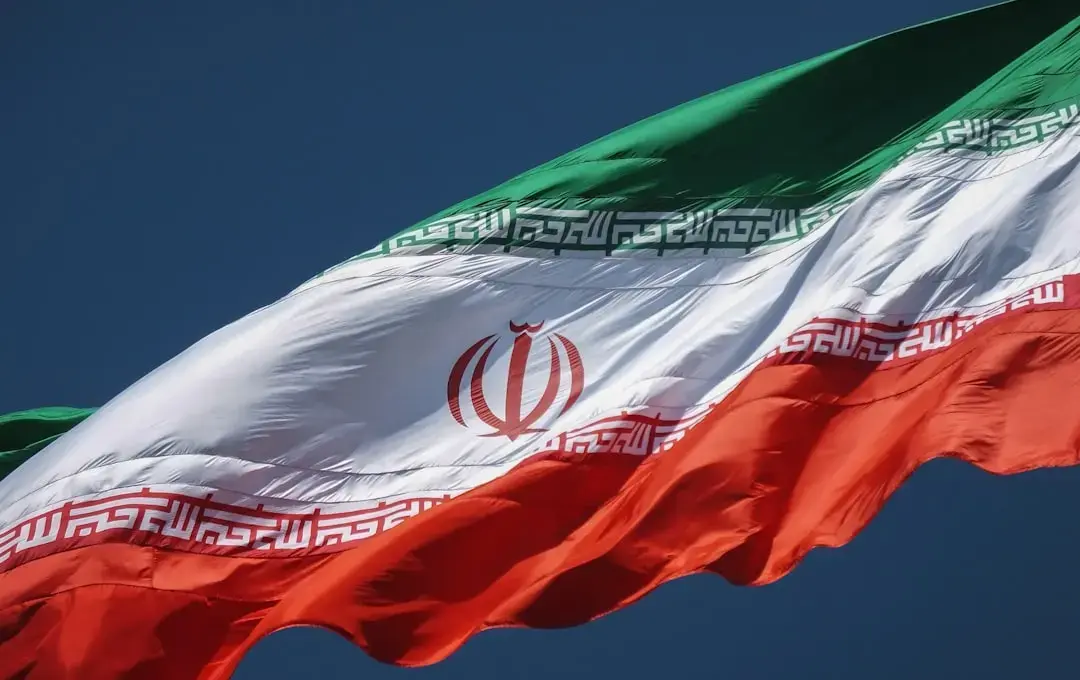
The President used strong language to describe the threat posed by Tehran. He implied that the United States might take decisive action. This approach contrasts with the usual cautious rhetoric of international forums. Trump emphasized the need for immediate results. He argued that waiting too long would allow Iran to strengthen its position. The speech highlighted a preference for force over negotiation. Many delegates found the directness jarring. It marked a significant moment in US foreign policy discourse.
Analysts drew comparisons between Trump’s style and historical figures. One prominent parallel was with Nikita Khrushchev. The former Soviet leader was known for dramatic gestures. He famously banged his shoe on a table during a UN session. Trump’s demeanor evoked similar images of raw power. Critics suggested this approach risks alienating allies. They worry it reduces complex issues to simple displays of strength. Supporters argue it cuts through bureaucratic delays. The comparison highlights how personal style shapes global perception. It raises questions about the future of multilateral diplomacy.
Is Force the Only Option?
The core question remains whether military pressure will succeed. Trump’s threat signals a willingness to act unilaterally. This stance challenges the traditional role of the UN. The organization often serves as a forum for compromise. However, the President’s speech prioritized American interests. He demanded that other nations align with his vision. This creates friction with long-standing partners. Some see this as a necessary correction. Others view it as a step toward isolation. The debate continues among policymakers and experts.
The immediate consequence is heightened tension in the Middle East. Iran faces increased pressure to respond to the threat. Regional allies must now navigate this new dynamic. The UN General Assembly may struggle to find common ground. Future sessions could be dominated by this conflict. The world watches to see if threats turn into actions. Diplomatic channels remain open but strained. The outcome will shape the next decade of relations. Stability depends on how both sides interpret these signals.
Frequently Asked Questions
Did Trump explicitly declare war on Iran? No, he did not formally declare war. Instead, he issued a strong warning about potential annihilation. This served as a strategic threat rather than an immediate declaration.
Why did analysts compare him to Khrushchev? The comparison stems from their dramatic public behavior. Both leaders used physical or vocal displays to assert dominance. This style often overshadowed detailed policy discussions.
What is the main goal of this speech? The primary objective is to pressure Iran into negotiations. Trump aims to demonstrate US resolve. He seeks to prevent Iran from gaining further leverage.