
Strategic Response to Houthi Aggression
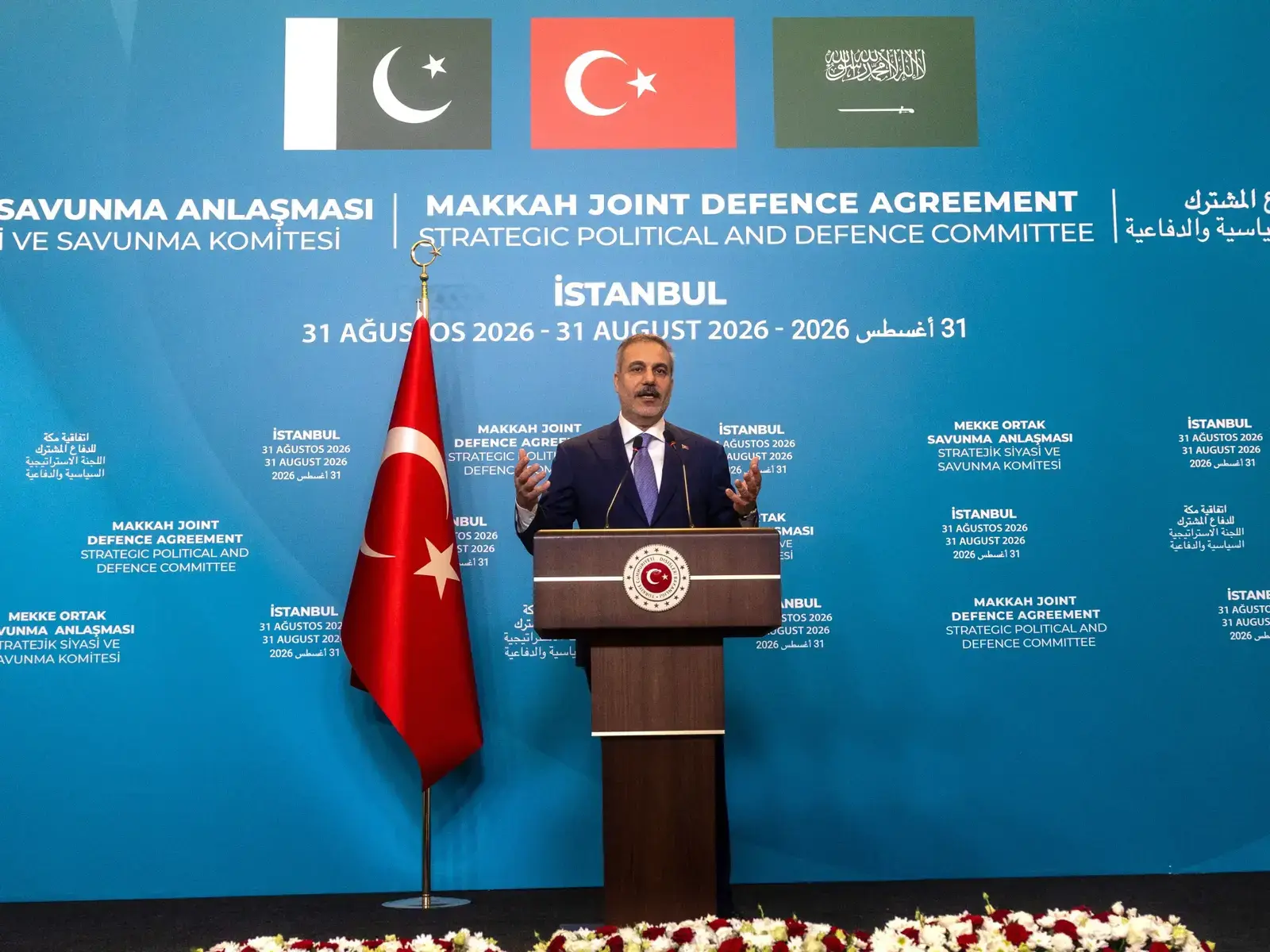
Ankara announced on Saturday that it intends to evaluate specific military requirements for Saudi Arabia. This move falls under a recently signed trilateral defense agreement involving Turkey, Saudi Arabia, and Pakistan. Turkish Foreign Minister Hakan Fidan made the statement during an interview on the NTV television network. The decision comes amid heightened regional tensions and ongoing security concerns in the Middle East.
Latest news
 Australia Seeks Tech Giant Help to Bolster Online Safety and AI Rules
 Iran Sets Seven Conditions for US Talks as Saudi Forces Thwart Riyadh Attack
 Former Syrian General Arrested Over Civil War Operations
 Turkiye pledges military support to Riyadh as Houthi threats rise
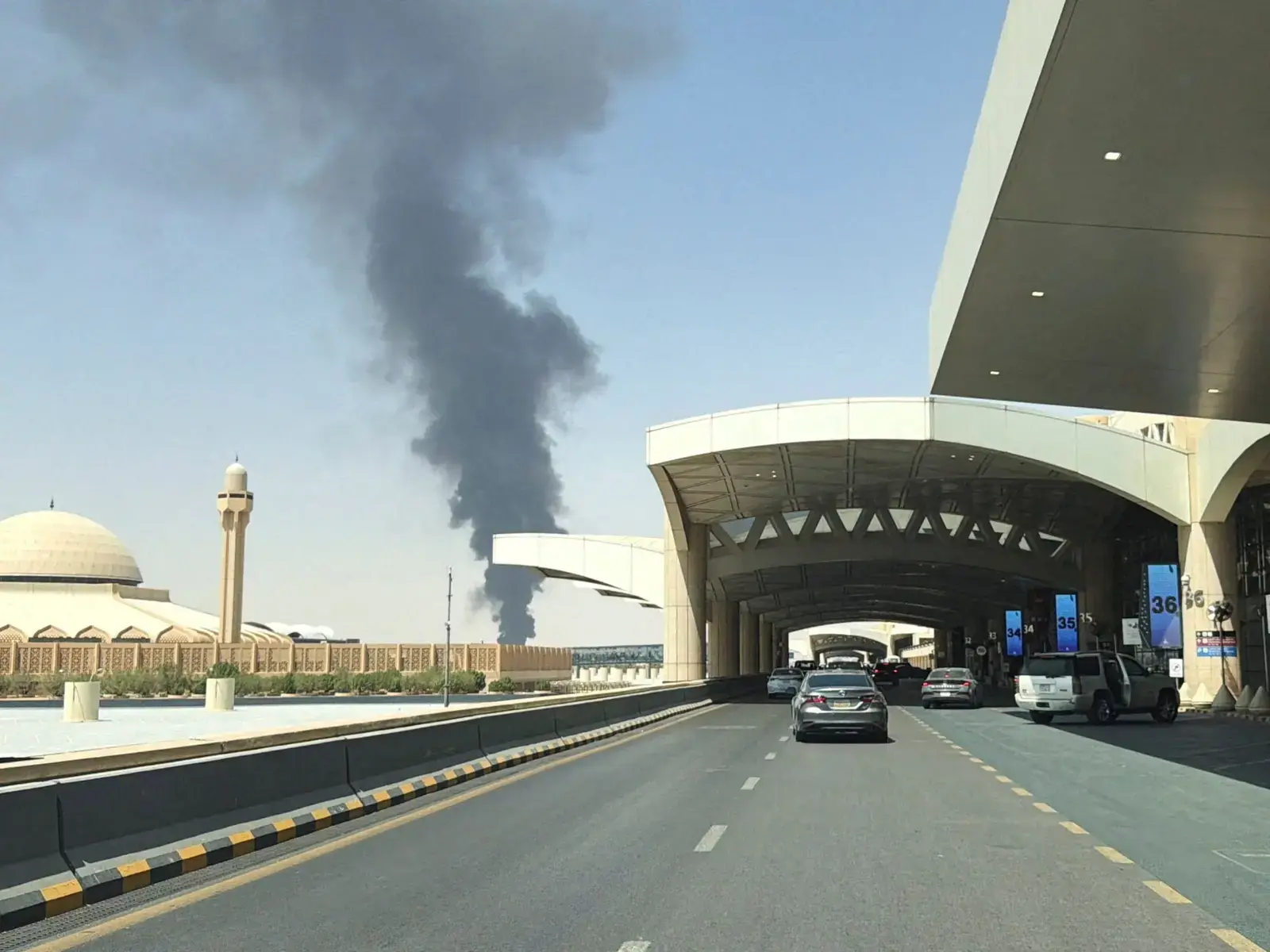
Fidan explained that recent attacks by Yemen’s Houthi rebels have created new vulnerabilities for Saudi forces. These incidents have highlighted gaps in current defensive capabilities. Consequently, the Turkish government plans to conduct a thorough analysis of these needs. The goal is to determine how the alliance can best support Riyadh’s security posture. This assessment will guide future cooperation between the three nations.
The primary driver for this review is the persistent threat posed by the Houthis. Their continued strikes against Saudi targets have strained local resources. Fidan noted that the trilateral pact provides a formal mechanism for addressing such issues. By analyzing Saudi needs, Turkey aims to offer tailored solutions within the framework of the agreement. This approach ensures that support is practical and directly relevant to current threats. The inclusion of Pakistan in the pact adds another layer of strategic depth to the alliance.
How Does the Trilateral Pact Function?
The trilateral defense pact represents a significant shift in regional security dynamics. It moves beyond traditional bilateral ties to create a broader coalition. Fidan emphasized that the partnership is not just symbolic but operational. The analysis phase will likely involve joint assessments and potential resource sharing. This process allows all three countries to align their strategies effectively. The focus remains on enhancing collective resilience against external threats.
The agreement establishes a structured dialogue for defense planning. It allows member states to share intelligence and coordinate responses to crises. In this case, the trigger was the Houthi campaign. The pact enables Turkey to step in with technical or logistical support if needed. This mechanism fosters trust and operational synergy among the partners. It signals a unified front against destabilizing forces in the region.
Frequently Asked Questions
Looking ahead, the outcome of this analysis will shape future military collaborations. If significant needs are identified, the alliance may deploy joint initiatives. This could include training programs, equipment transfers, or shared patrol operations. The success of the pact depends on its ability to deliver tangible results. Stakeholders expect that this proactive approach will strengthen regional stability. The coming months will reveal how effectively the three nations implement their shared defense strategy.
Who are the members of the trilateral defense pact? The pact includes Turkey, Saudi Arabia, and Pakistan. These three nations have agreed to cooperate on security matters. The agreement was signed recently to enhance mutual defense capabilities.
Why is Turkey reviewing Saudi military needs now? The review is prompted by ongoing attacks from Yemen’s Houthi rebels. These strikes have exposed specific vulnerabilities in Saudi defenses. The trilateral pact provides the framework for addressing these gaps through coordinated action.