Escalating Conflicts Strain Multilateral Frameworks
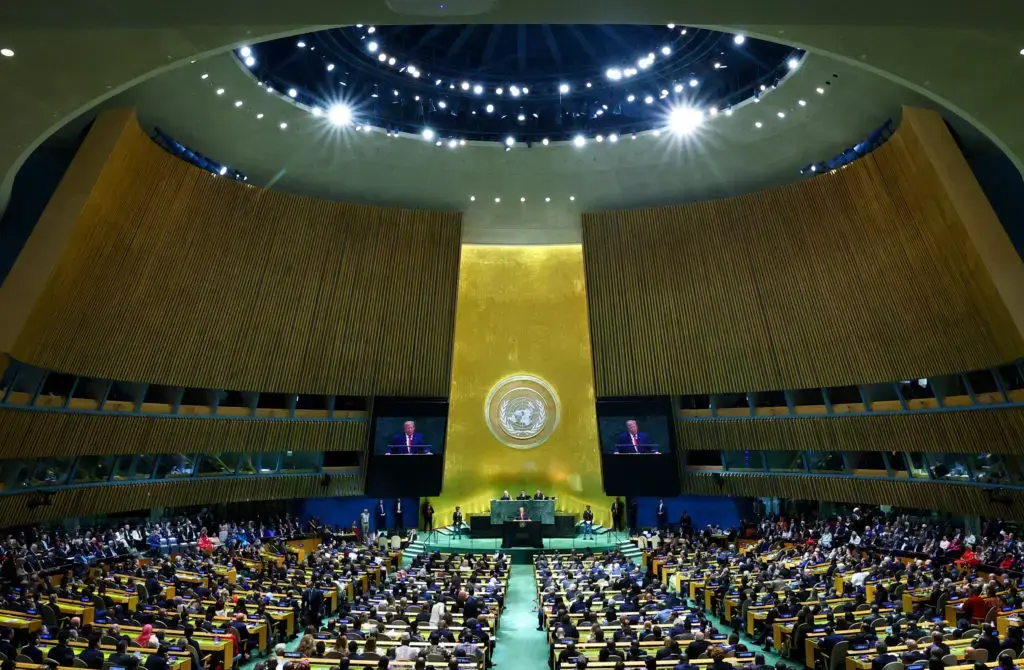
United Nations diplomats convened in New York City on September 22, 2026, to begin their annual General Assembly session. The gathering takes place against a backdrop of significant geopolitical instability. Two major conflicts are currently intensifying in Europe and the Middle East. These wars threaten to reshape regional power dynamics and global security structures. Delegates arrived in a tense atmosphere, reflecting the urgent need for diplomatic intervention. The annual meeting serves as the primary forum for international cooperation. Leaders hope to address pressing issues through dialogue and negotiation. The scale of current challenges demands immediate attention from all member states.
Latest news
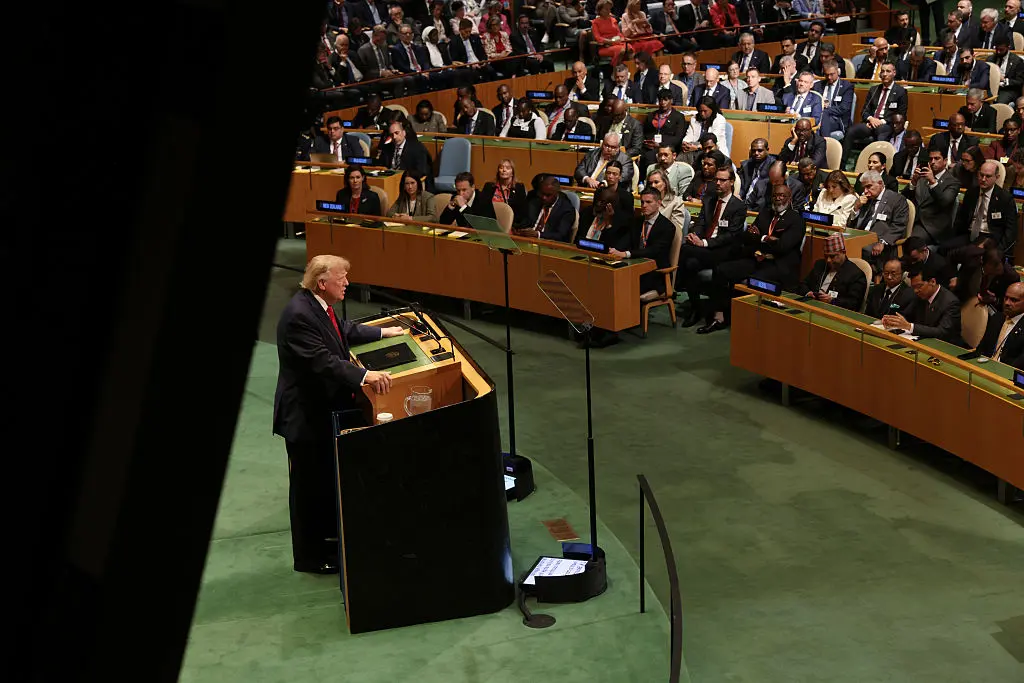 President Trump Declares Force the Path to Peace at UN Assembly
 China’s Clean Energy Exports Surge Amid Iran Conflict, Boosting Xi’s Leverage in U.S. Talks
 Carney Commits $100 Million to Palestinian Aid at
 Family Claims Neglect Led to Death of Costa Rican Detainee in ICE Custody
The core agenda focuses on managing simultaneous economic and military pressures. Global economic flows remain disrupted by ongoing warfare and shifting trade routes. Inflation and supply chain issues continue to burden national budgets worldwide. Diplomats must navigate complex negotiations while balancing competing national interests. The presence of two active war zones complicates efforts to build consensus. Many nations face difficult choices regarding resource allocation and strategic alliances. This environment creates a high-stakes setting for multilateral diplomacy. Success requires finding common ground despite deep divisions among key players.
The simultaneous escalation in Europe and the Middle East places immense pressure on the UN system. Traditional mechanisms for conflict resolution appear strained under the weight of multiple crises. Member states debate the most effective strategies to de-escalate tensions. Economic sanctions and aid packages are central topics of discussion. Leaders emphasize the need for coordinated responses to prevent further spread of violence. The diplomatic community acknowledges that previous frameworks may no longer suffice. New approaches are being proposed to handle the dual-front nature of current conflicts. This shift highlights the evolving landscape of international relations.
Can Diplomacy Outpace Military Escalation?
Delegates report a sense of urgency during preliminary meetings. Senior officials stress the importance of maintaining open communication channels. They aim to prevent misunderstandings from turning into broader confrontations. The assembly provides a critical platform for expressing diverse viewpoints. Countries use this stage to articulate their positions on global stability. The focus remains on practical solutions rather than rhetorical statements. Negotiations continue behind closed doors to draft potential resolutions. Time is a critical factor as military situations evolve rapidly.
The central question facing the assembly is whether diplomatic efforts can keep pace with military developments. Analysts suggest that rapid decision-making is essential to maintain relevance. The gap between diplomatic timelines and battlefield realities poses a significant challenge. Some delegates argue that stronger enforcement mechanisms are needed. Others prioritize economic support to stabilize affected regions. The outcome of these discussions will influence future global policies. A successful session could restore confidence in international institutions. Failure might lead to further fragmentation of the global order.
The final days of the meeting will determine key outcomes. Leaders will vote on resolutions addressing the most critical issues. The level of agreement reached will signal the strength of global unity. Observers closely monitor interactions between major powers. These dynamics often predict the direction of future international cooperation. The assembly concludes with a series of high-level addresses. These speeches set the tone for the coming year’s diplomatic work. The world watches closely to see if unity prevails over division.
Frequently Asked Questions
When does the annual UN General Assembly take place? The session opened on September 22, 2026, in New York City. It marks the start of the yearly diplomatic gathering for member states.
What are the main challenges facing diplomats this year? Two escalating wars in Europe and the Middle East dominate the agenda. Additionally, a turbulent global economy adds complexity to negotiations.
Why is this specific session considered critical? The simultaneous nature of multiple crises requires urgent coordination. Diplomats must find new ways to manage overlapping conflicts effectively.