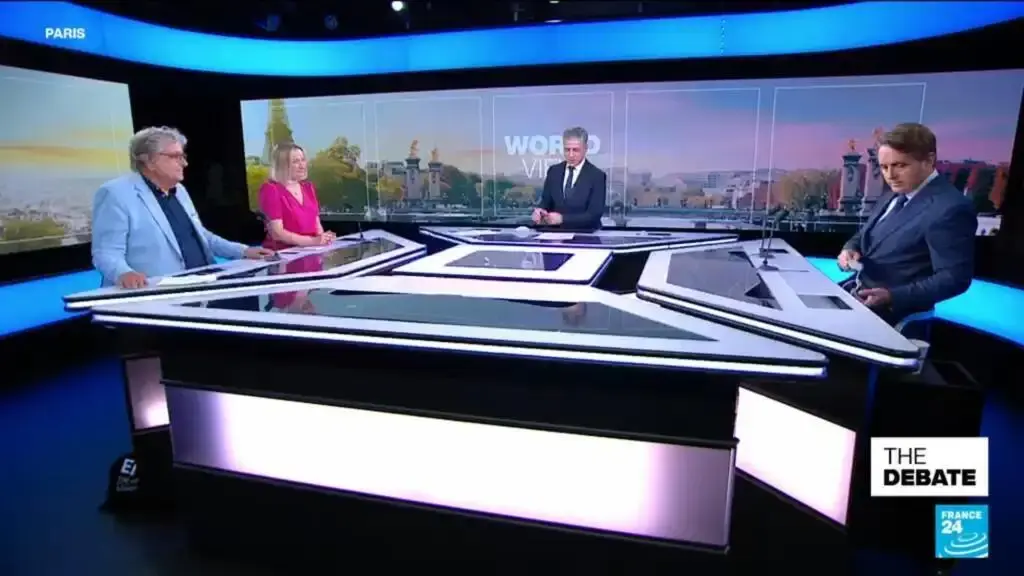
Macron’s Philosophy: Dialogue Over Isolation
French President Emmanuel Macron has been vocal about his strategy for dealing with Russia under Vladimir Putin. His approach emphasizes dialogue and engagement, even amid rising tensions. This strategy has sparked debate about its effectiveness, especially in light of recent geopolitical events. Macron believes that open communication is crucial for addressing the complex relationship with Russia. He argues that isolating Putin could lead to further escalation. Instead, he advocates for a balanced approach that combines firmness with the willingness to negotiate. This method aims to prevent misunderstandings and foster stability in Europe.
Latest news
 Swedish Voters Choose New Parliament as Left-Wing Coalition Projects to Win Majority
 Trump Announces End of US Tariff on Irish Whisky
 Frances Stonor Saunders, Author of CIA Cultural Espionage Exposé, Dies at 66
 Israel and Lebanon to Hold Security Talks in Rome This October
Macron’s stance stems from his belief that dialogue can lead to mutual understanding. He has repeatedly called for European unity in facing Russian aggression, particularly after events like the annexation of Crimea and the ongoing conflict in Ukraine. The French president argues that engaging with Russia is essential to address security concerns and maintain peace in Europe.
In his discussions, Macron emphasizes the importance of setting clear boundaries. He has suggested that the West should be firm in its stance against any violations of international law while remaining open to conversations about shared interests. For Macron, this duality is key to navigating the complicated landscape of international relations with Russia.
Can Macron’s Strategy Succeed in the Long Run?
Critics of Macron's approach argue that engaging with Putin may embolden him further. Some experts warn that dialogue without consequences could be perceived as weakness. They point to past instances where negotiations with Russia have failed to yield significant results, raising questions about the effectiveness of Macron's method.
However, supporters contend that avoiding dialogue could lead to greater conflicts. They believe that maintaining channels of communication is vital to prevent misunderstandings that could escalate into military confrontations. Macron's supporters argue that his approach could pave the way for a more stable European security framework.
As the situation in Ukraine continues to evolve, the effectiveness of Macron’s strategy remains uncertain. The balance between dialogue and deterrence will be crucial in shaping future relations with Russia. If successful, Macron’s method could lead to a more stable Europe. Conversely, if it fails, it may prompt a reevaluation of how Western nations engage with authoritarian regimes.
Frequently Asked Questions
What is Macron’s main approach to dealing with Russia? Macron advocates for a strategy of dialogue and engagement, believing that open communication can prevent conflicts and misunderstandings.
Why do some critics oppose his method? Critics argue that engaging with Putin could be seen as a sign of weakness and may not effectively deter aggressive actions from Russia.
What are the potential outcomes of Macron's strategy? If successful, his approach could lead to greater stability in Europe. However, failure to achieve results may prompt a reassessment of how Western nations interact with Russia.