How Does This Affect Greenland’s Autonomy?
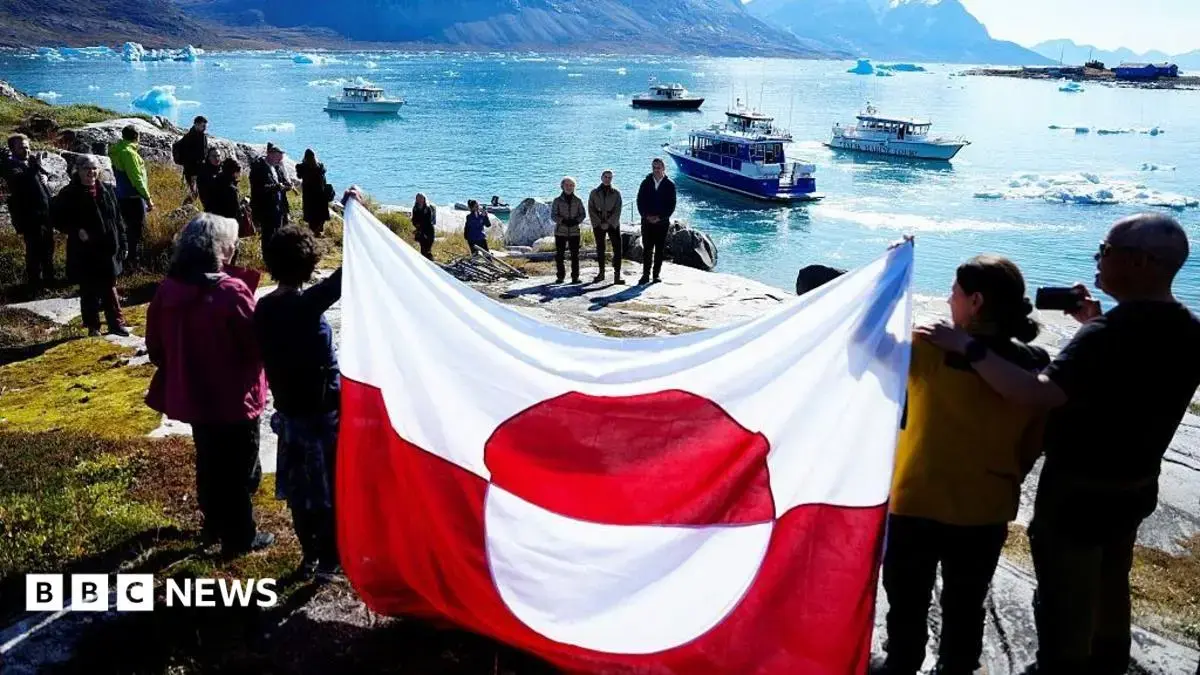
The United States and Denmark have finalized a security arrangement for Greenland, addressing tensions that arose after former President Donald Trump suggested the U. S. might take control of the autonomous territory. Announced on September 18, 2026, the deal aims to clarify defense responsibilities while respecting Greenland’s self-governance framework within the Kingdom of Denmark. Both nations emphasized the agreement prevents escalation and supports regional stability in the Arctic.
Latest news
 South Africans Mark Femicide Victims in Emotional Cape Town Vigil
 Russians flee ahead of election results, fearing forced mobilisation
 Israeli Forces Conduct Demolitions in Southern Lebanon, Hospital Set Ablaze
 Fear of AI Job Losses Now Outweighs Hope for New Opportunities, Study Shows
The agreement grants the United States enhanced access to Greenland’s territory for military operations, infrastructure development, and emergency response, particularly in response to growing strategic interest from global powers. While Denmark retains sovereignty, the U. S. will coordinate closely with Greenland’s local government on security matters, including surveillance, climate monitoring, and infrastructure resilience. Officials noted the arrangement does not involve transfer of sovereignty or permanent U. S. control, countering earlier rhetoric that had alarmed Nuuk and Copenhagen alike.
What Are the Strategic Implications for the Arctic?
Greenland’s government stated it was consulted throughout the negotiations and retains authority over internal affairs, including resource management and foreign policy delegation. The security deal operates under the existing 2009 Self-Government Act, which allows Copenhagen to handle defense and foreign affairs while expanding Nuuk’s self-rule. Leaders in Greenland emphasized that any foreign military presence must align with local environmental and cultural protections, and they will maintain oversight through joint committees.
Analysts say the agreement reflects heightened competition in the Arctic, where melting ice is opening new shipping routes and access to rare minerals. The U. S. seeks to counterbalance influence from China and Russia, both of which have increased investments and military activity in the region. Denmark, as a NATO ally, views the pact as a way to strengthen collective defense without undermining Greenland’s trust. The deal also includes provisions for joint research on climate change impacts, which are accelerating faster in Greenland than almost anywhere else on Earth.
Does this mean the U. S. now owns or controls Greenland? No. Greenland remains an autonomous territory within the Kingdom of Denmark. The agreement concerns security cooperation only and does not alter Greenland’s political status or sovereignty.
Frequently Asked Questions
Will U. S. forces be permanently stationed in Greenland? The agreement allows for increased U. S. access and temporary deployments for exercises, infrastructure projects, and emergency response, but does not establish permanent bases without renewed consent from Greenland and Denmark.
How did Greenland’s leaders respond to the deal? Greenland’s Premier welcomed the transparent negotiation process and affirmed that the territory’s consent was required at every stage, ensuring the agreement respects its right to self-determination while addressing shared security concerns.