Arctic Strategy Meets Geopolitical Reality
The United States has signed a security agreement with Denmark and Greenland, formally ending a months-long diplomatic standoff that escalated when former President Donald Trump threatened to annex the autonomous Danish territory. The deal was announced on Thursday in Copenhagen, marking a significant shift in Arctic policy under the current administration.
Latest news
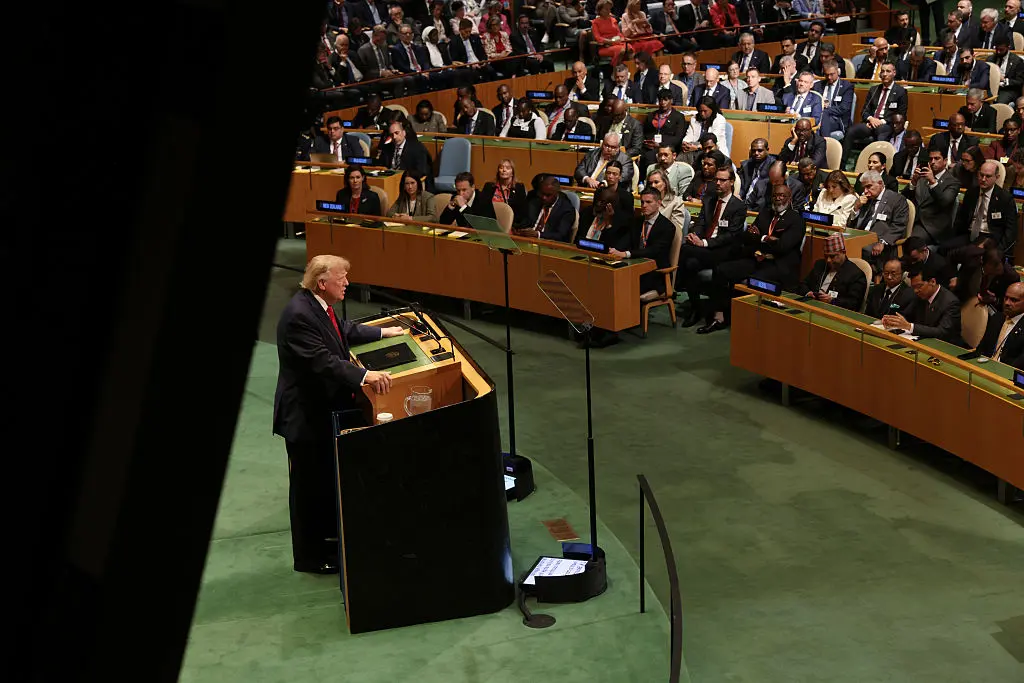 President Trump Declares Force the Path to Peace at UN Assembly
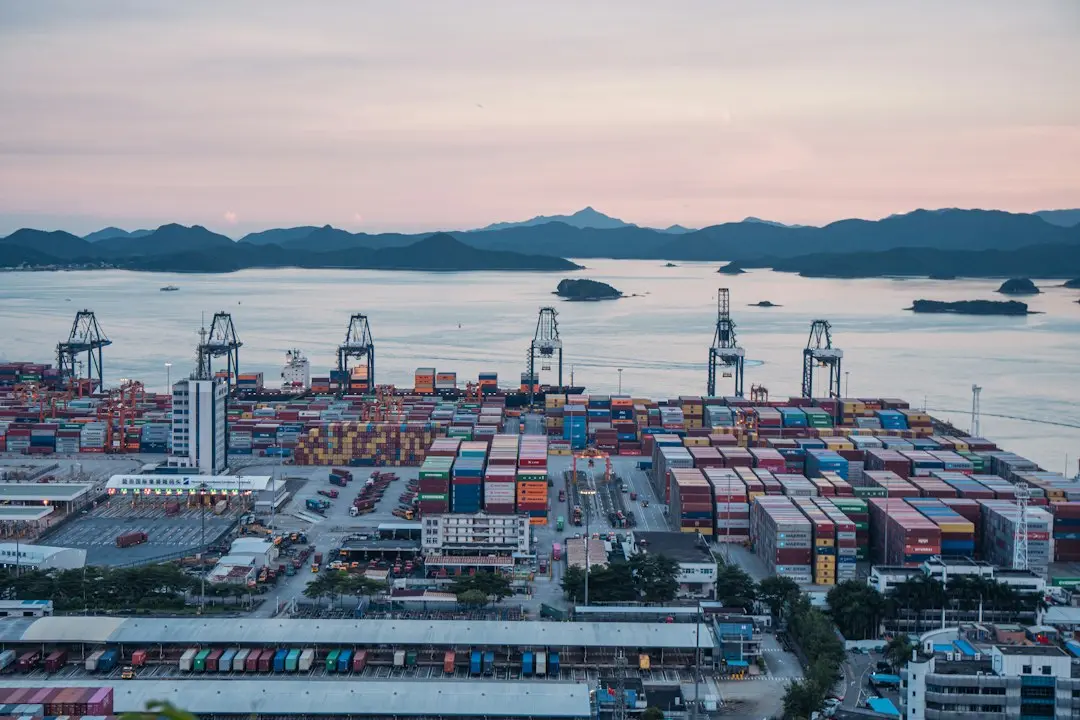 China’s Clean Energy Exports Surge Amid Iran Conflict, Boosting Xi’s Leverage in U.S. Talks
 Carney Commits $100 Million to Palestinian Aid at
 Family Claims Neglect Led to Death of Costa Rican Detainee in ICE Custody
The agreement focuses on enhanced cooperation in Arctic security, climate monitoring, and defense infrastructure. It comes after years of growing concern over Russian and Chinese influence in the region, as melting ice opens new shipping routes and resource extraction opportunities. Officials described the pact as a tremendous step forwardin transatlantic unity, with NATO and the European Union both expressing support for the resolution.
The security deal includes commitments to joint military exercises, intelligence sharing, and coordinated responses to environmental emergencies in the Arctic. Greenland, which controls a vast and strategically vital territory between North America and Europe, will host expanded U. S. defense capabilities. Danish Prime Minister Mette Frederiksen called the agreement a new chapterin Nordic-American relations, emphasizing shared values and mutual respect.
Can This Pact Withstand Future Tensions?
U. S. Secretary of State Antony Blinken highlighted the importance of stability in the High North, noting that the accord strengthens collective security without compromising Greenland’s autonomy. The framework also addresses climate resilience, with plans to upgrade communication networks and weather stations across Greenland’s sparsely populated landscape.
While the deal resolves immediate friction, long-term challenges remain. Greenland’s independence movement continues to gain traction, raising questions about future governance and security alignment. Analysts suggest that the agreement’s success will depend on sustained investment and transparent dialogue with Greenlandic leaders.
Denmark and the U. S. have committed $375 million over five years for infrastructure and scientific research, aiming to counterbalance competing offers from China. The funding includes support for renewable energy projects and expanded search-and-rescue operations. NATO Secretary General Jens Stoltenberg praised the pact as a model for regional cooperation amid rising global competition.
The accord is expected to influence upcoming Arctic Council meetings and may prompt similar bilateral agreements with Canada and Iceland. Experts warn that without continued engagement, strategic gaps could emerge, especially if climate change accelerates access to untapped oil and gas reserves.
Frequently Asked Questions
What does the security agreement cover? It includes defense cooperation, intelligence sharing, joint training, and climate resilience measures in Greenland’s Arctic region.
Why did the U. S. drop its annexation threat? The current administration shifted focus to partnership, prioritizing stability and shared governance over unilateral action.
How will Greenland benefit? Greenland receives infrastructure investment, scientific support, and greater influence in regional security decisions while maintaining self-rule.